
MP HC Asks Authorities To Conclude Eviction Of Encroachers Around Ancient Vishnu Barah Mandir In 3 Months
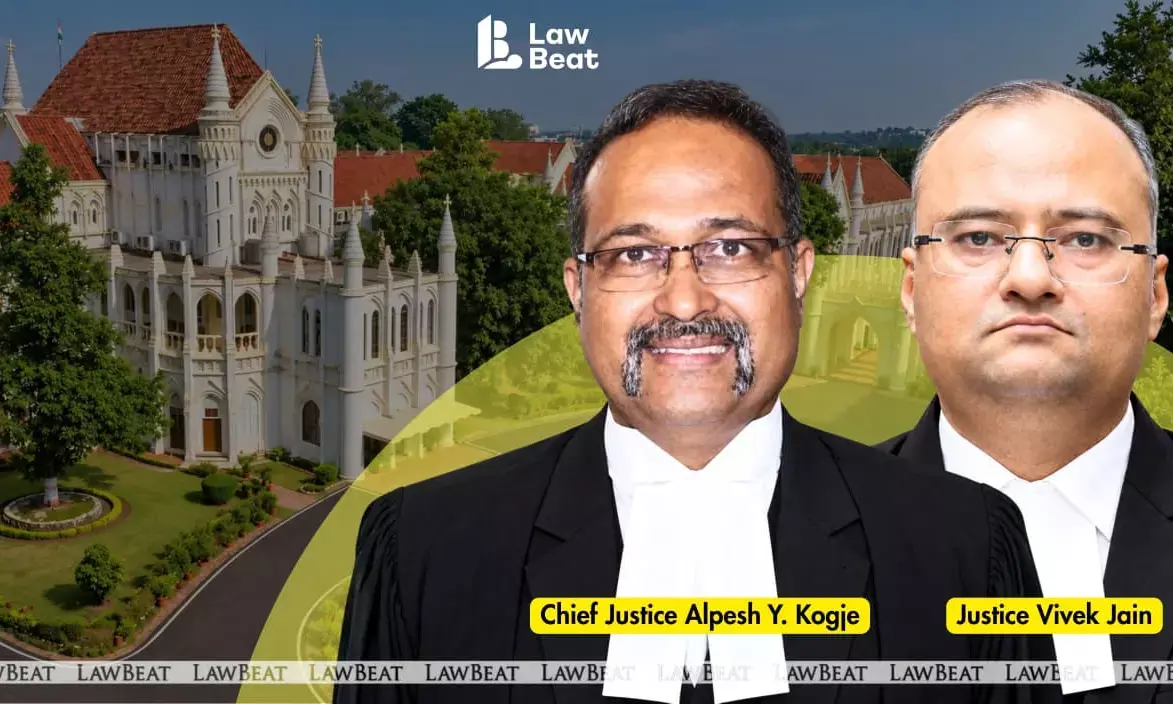
“Battle Going On Since Many Years”: MP HC Sets Three-Month Target To Remove Encroachment Near Ancient Temple
The Madhya Pradesh High Court has directed the authorities to conclude eviction proceedings against alleged encroachers around the ancient Shri Vishnu Barah Mandir in Jabalpur district as expeditiously as possible, preferably within three months, while disposing of a writ petition pending since 2018.
A Division Bench of Chief Justice Alpesh Y. Kogje and Justice Vivek Jain passed the order on October 29 in Shravan Kumar Soni v. The State of Madhya Pradesh and Others, observing that the authorities had already set the legal process in motion against the encroachers.
The petition sought several reliefs. Soni asked the court to direct the Archaeological Survey of India to declare the monument an ancient monument under the Ancient Monuments and Archaeological Sites and Remains Act, 1958, and take its possession. He also sought a direction to the State authorities to immediately remove the encroachment in terms of a Civil Court decree and the State Act of 1964, along with punishment of the encroachers under that law and its Rules.
The petitioner’s grievance, as recorded by the court, was the “unbridled encroachment” around the monument, which he said has been declared protected under the M.P. Ancient Monuments and Archaeological Sites and Remains Act, 1964. According to him, once a monument is protected under that law, construction activity within its periphery is regulated. Yet, he argued, “no care is being taken by the Authorities” of the temple situated at Majhauli.
The bench took into account the reply filed by the respondent authorities. It noted that the alleged encroachers had gone before the Civil Court to protect their possession, a dispute that has “now ultimately been decided”. After the Civil Court’s orders, the authorities said, steps had been initiated.
Advocate Anupam Chaturvedi, appearing for the petitioner, pointed to notices issued under the M.P. Land Revenue Code, including one calling upon the so-called encroachers to remain present before the Authority on October 5, 2026.
On this basis, the bench held that the main grievance stood addressed. “In the opinion of the Court sofar as the grievance of encroachment is concerned, the Authorities have already initiated the appropriate action in accordance with law, therefore, the cause appears to have been addressed in accordance with law,” the order states.
The court did not, however, leave the matter open-ended. Taking note of the petitioner’s request for a time-bound programme, and the fact that “the battle has been going on since many years”, the bench directed the authorities to conclude the proceedings “as expeditiously as possible preferably within a period of three months from today”.
The second prayer, seeking a declaration under the 1958 Act, received a different response. The bench observed that the petitioner “has not even brought it to the notice of the concerned Authority under the Act of 1958” for such a declaration. The court left it open for Soni to make an application “if a scope is available under the provisions as on date”.
Leaving the petitioner free to seek redress of any remaining grievance elsewhere, the court disposed of the petition.
The order shows how slowly heritage protection can move when possession disputes reach the civil courts first. Years of litigation by the alleged encroachers delayed action on the ground, and the High Court has now put a rough clock on the eviction process. Whether the three-month window is met will be the real test for the authorities, since the court framed it as a preferred, not mandatory, timeline.
It also signals that a writ court expects petitioners to first approach the competent authority before seeking directions under a statute. Without that step, nothing was before the court.
Advocate Anupam Chaturvedi, along with Advocate Priyank Shandilya, who appeared through video conferencing, represented the petitioner. Additional Advocate General Nilesh Yadav, along with Panel Lawyer Gajendra Tamrakar, appeared for the State. Advocate Suyash Mohan Guru appeared for respondent No. 6, and Advocate Himanshu Mishra for respondent No. 7.
Case Title: Shravan Kumar Soni vs. The State of Madhya Pradesh and Others
Order Date: October 29, 2026
Bench: Chief Justice Alpesh Y. Kogje and Justice Vivek Jain