
MP High Court Refuses To Quash FIR Against Dubai Businessman Satish Sanpal Accused Of IPL Betting
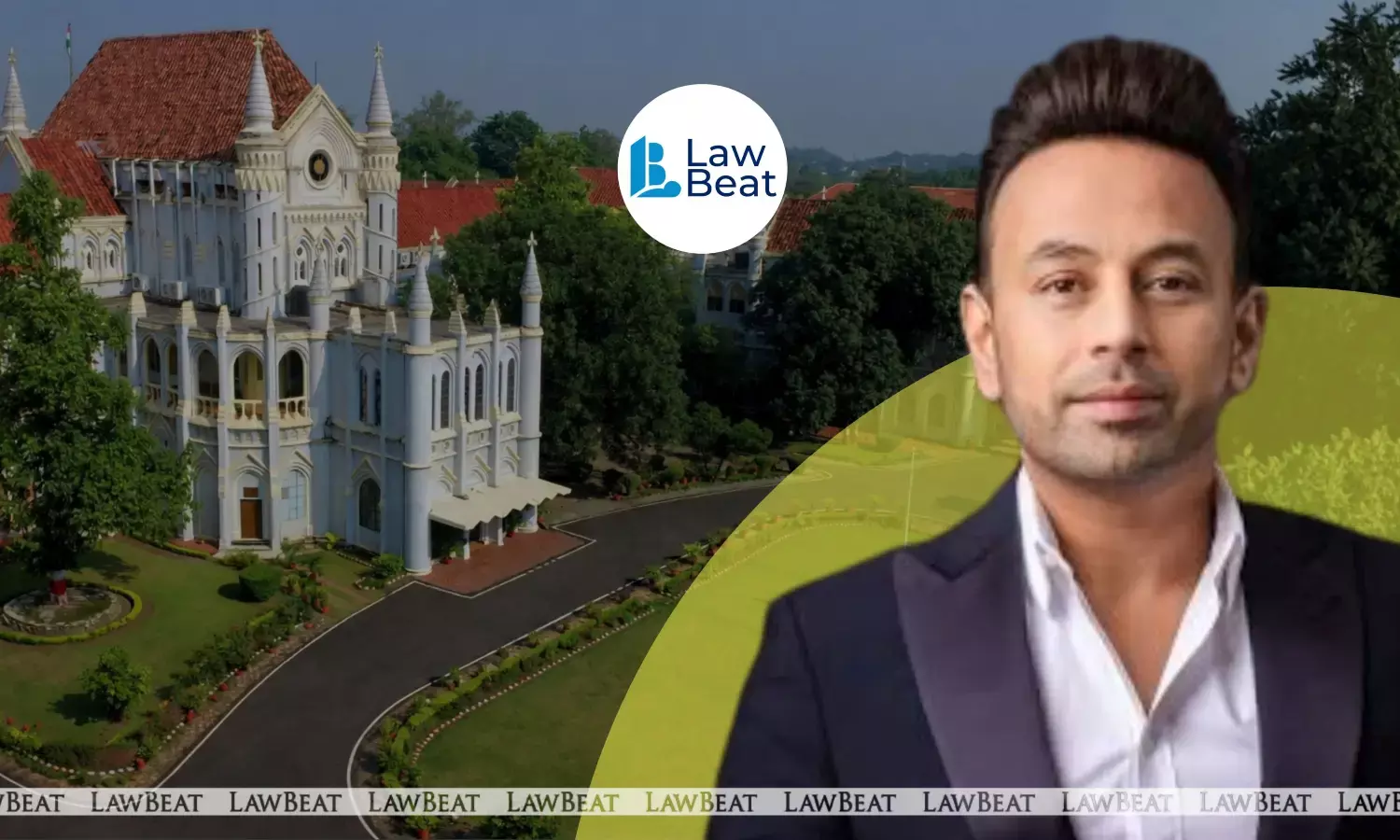
"Residing Abroad No Ground for Quashing": MP High Court Dismisses Plea in IPL Betting Case
The Jabalpur Bench of the Madhya Pradesh High Court has refused to quash an FIR against a Dubai-based businessman accused of masterminding an illegal IPL betting racket through a web of shell companies, holding that his claims of being abroad and having no direct role in the operation are defences to be tested at trial, not grounds for quashing.
Justice Himanshu Joshi was hearing a petition filed by Satish Sanpal under Section 528 of the Bharatiya Nagarik Suraksha Sanhita (corresponding to Section 482, CrPC), seeking quashment of FIR No. 170/2022 registered at Police Station Madan Mahal, Jabalpur, along with the related trial proceedings. The FIR had been registered in April 2022 after police, acting on a tip-off about illegal betting during the IPL, raided premises and found two men, Deepak Patel and Sunil Thakur, allegedly involved.
Investigation subsequently named Sanpal as the alleged mastermind, accusing him of opening shell companies in his own name and in the names of others to route the proceeds and defraud the government. A charge-sheet was eventually filed, invoking offences under Section 4-A of the Public Gambling Act as well as provisions of the Indian Penal Code relating to conspiracy, cheating, and abetment, with a trial now pending before the competent court in Jabalpur.
Appearing for Sanpal, Senior Advocate Naman Nagrath, assisted by Anushasit Arya, argued that the entire case rested on suspicion and on statements recorded under Section 161 of the Cr.P.C., with no material showing any financial transaction, chat, or communication linking his client to the betting activity. It was submitted that Sanpal, an NRI settled in Dubai, was not in India when the raid took place, and had already ceased to be a director of one of the companies named in the charge-sheet well before the FIR was registered, a fact borne out by official MCA records.
Counsel further pointed out that a co-director, Manoj Kumar Sanpal, on whose statement the petitioner had allegedly been implicated, had already been acquitted in a connected case involving similar allegations, and that the disputed amount of Rs 21,55,000 was never recovered from the petitioner or on his say-so. Reliance was also placed on an earlier order in which the High Court had quashed proceedings against a co-accused, Sanjay Sanpal, in the same FIR, with the plea that the petitioner deserved the same benefit of parity.
Opposing the petition, Additional Advocate General B.D. Singh, along with Government Advocate Priyanka Mishra, submitted that sufficient material had been gathered during investigation to make out a prima facie case, and that questions about Sanpal's residence abroad, his role in the companies, and the reliability of the evidence were disputed facts that could not be settled in quashing proceedings. It was argued that the order favouring the co-accused had turned on facts peculiar to that case and could not automatically be extended to Sanpal.
Agreeing with the State, the court held that at this stage it was only required to see whether the material collected discloses a cognizable offence, not to conduct a mini-trial or weigh the truthfulness of evidence. It observed that the case did not fall within any of the recognised categories warranting quashing, noting that it could not be said the allegations were "inherently absurd, inherently improbable" or that no offence would be made out even if the prosecution's case was accepted in full. The court added that the principle of parity was not an absolute rule, and that Sanpal's defences relating to his residence, his corporate role, and the money trail were matters requiring appreciation of evidence best left to the trial court.
Dismissing the petition, the court clarified that its observations were strictly confined to the present proceeding and would not prejudice the outcome of the trial, directing that the case be decided on the evidence eventually led before it, uninfluenced by anything said in this order.
Case Title: Satish Sanpal vs. The State of Madhya Pradesh
Date of Order: August 11, 2026
Bench: Justice Himanshu Joshi