
MP High Court Says Women Married in Madhya Pradesh Must Obtain State Caste Certificate to Claim OBC Reservation
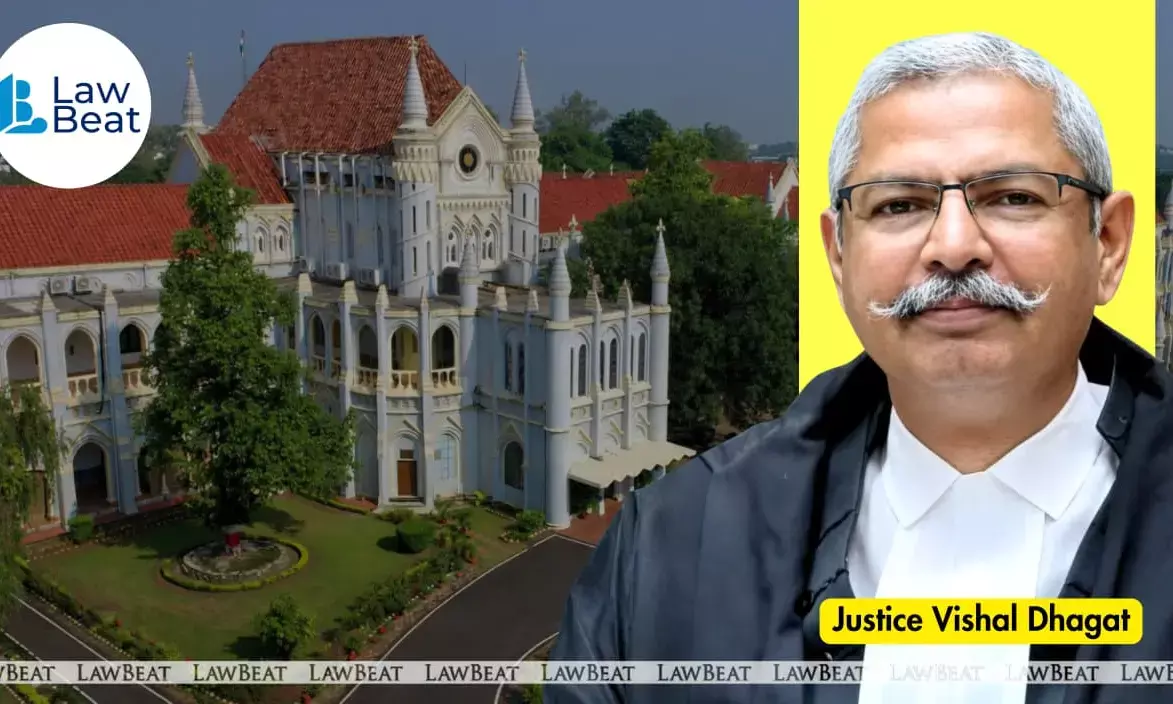
OBC Certificate From Another State Not Valid for Reservation in MP Services: High Court
The Madhya Pradesh High Court has ruled that women who move to Madhya Pradesh after marriage and seek reservation benefits in public employment cannot rely upon caste certificates issued by authorities in other States and must obtain a caste certificate from the competent authority in Madhya Pradesh before claiming such benefits.
Justice Vishal Dhagat passed the ruling while dismissing a writ petition filed by Sunita Pathode, Lalita Harinkhede and Pooja Sahu, who had challenged the rejection of their candidature for the post of Middle Teacher on the ground that their OBC certificates had been issued outside Madhya Pradesh.
The petitioners had approached the High Court challenging orders dated November 23 and 24, 2022, issued during document verification by the District Education Officer, Balaghat. During the verification process, authorities noted that the petitioners' OBC caste certificates had not been issued by a competent authority in Madhya Pradesh and, therefore, their candidature was liable to be rejected.
Appearing for the petitioners, Advocate Pawan Kawre argued that two of the petitioners were originally residents of Gondia in Maharashtra, while the third belonged to Hamirpur in Uttar Pradesh. Their respective communities, Kunbi, Pawar and Teli were recognised as Other Backward Classes in their native States and were also notified as OBCs in Madhya Pradesh. He submitted that all three women had married in Madhya Pradesh, were permanently residing in Balaghat and should not be denied reservation benefits merely because their caste certificates had been issued by authorities in their original States.
The petitioners further contended that the authorities had adopted a discriminatory approach by refusing to recognise their caste status despite their communities being included in the OBC list in Madhya Pradesh as well. Reliance was placed on an earlier decision in Alka Singh (Dr.) v. State of M.P. to support the claim that they were entitled to be considered under the OBC category.
Opposing the plea, Government Advocate Sumit Raghuwanshi argued that the petitioners had obtained their caste certificates from Maharashtra and Uttar Pradesh and had never secured caste certificates from the competent authorities in Madhya Pradesh. The State also relied on previous decisions of the High Court dealing with similar issues and submitted that no interference was warranted.
Examining the issue, the Court observed that the central question was whether a person belonging to a caste recognised for reservation in one State could automatically claim the same benefit in another State merely because the caste was also notified there.
Justice Dhagat noted that caste status and reservation benefits are closely linked to the place and area for which a caste has been notified. Referring to settled legal principles, the Court observed that Presidential notifications concerning caste are area-specific and migrants generally cannot carry reservation benefits from one State to another.
At the same time, the Court recognised a distinction in cases involving women who relocate after marriage. The Court held that where a woman's caste is recognised for reservation in both States and she has permanently settled in Madhya Pradesh after marriage, she may be entitled to reservation benefits. However, such entitlement is subject to obtaining a caste certificate from the competent authority in Madhya Pradesh.
The Court categorically stated, "A caste certificate issued from State of Maharashtra cannot be relied upon." It further held that women candidates seeking reservation in Madhya Pradesh "has to file an application for grant of Caste Certificate in State of Madhya Pradesh" and only such certificate can be considered for extending reservation benefits.
The Court emphasised that caste verification involves examination of statutory notifications and factual inquiries which are undertaken by specialised authorities. It observed that the High Court would not enter into a fact-finding exercise to determine whether the petitioners belonged to communities recognised as OBCs in different States.
Finding that the petitioners had never applied for or obtained caste certificates from the competent authorities in Madhya Pradesh, the Court held that certificates issued in Maharashtra and Uttar Pradesh could not be used to claim reservation in services under the State of Madhya Pradesh. Consequently, the writ petition was dismissed.
Case Title: Sunita Pathode and Others v. The State of Madhya Pradesh and Others
Date of Order: June 16, 2026
Bench: Justice Vishal Dhagat