
MP High Court Sets Aside Trial Court Order Summoning New Accused After Charges Framed
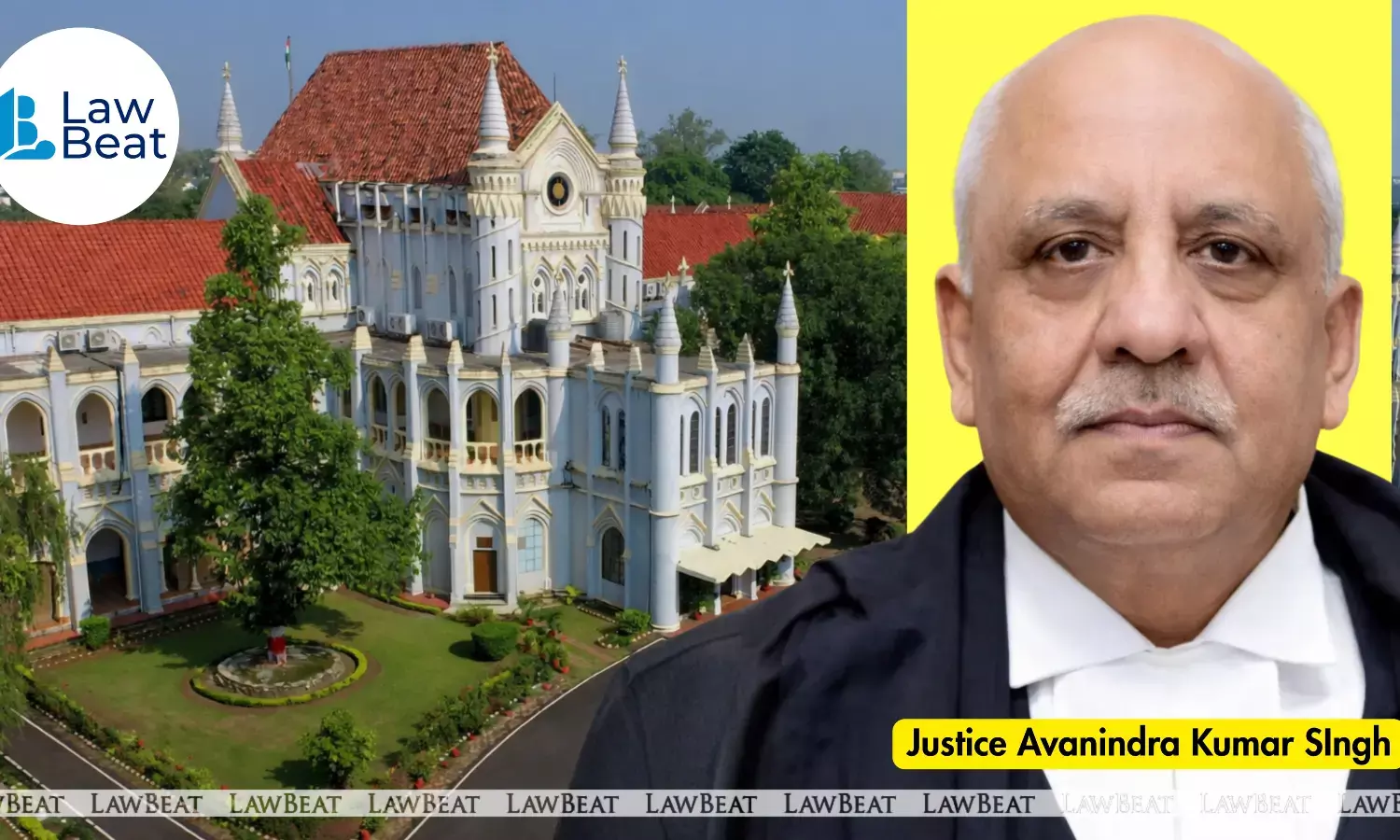
Additional Accused Can Be Summoned Only Under Section 319 After Evidence: MP High Court
The Madhya Pradesh High Court at Jabalpur has set aside an order of the trial court which had summoned additional accused persons after charges had already been framed and the trial had commenced, holding that such power could only be exercised after recording evidence and strictly in accordance with Section 319 of the Code of Criminal Procedure.
Justice Avanindra Kumar Singh passed the order while allowing a criminal revision filed by Ganesh Prasad Garg and another, who had been arrayed as accused at a later stage on the basis of an application filed by the complainant.
The revision petition challenged the order dated May 24, 2025 passed by the Additional Sessions Judge, Lavkush Nagar, District Chhatarpur, whereby an application under Section 213 of the Bharatiya Nagarik Suraksha Sanhita, 2023 was allowed and the applicants were summoned to face trial despite not being charge-sheeted by the police. The applicants were represented by Advocate Manoj Kumar Mishra, while the State was represented by Panel Lawyer Ms. Seema Jaiswal and the complainant by Advocate Manoj Kushwaha.
The applicants contended that the trial court had erred in invoking Section 213 BNSS, corresponding to Section 193 of the CrPC, at a stage when charges had already been framed and the matter had proceeded to the stage of recording prosecution evidence. It was argued that the investigating agency, after due investigation, had found no material to indicate the involvement of the applicants in the alleged incident and had therefore not charge-sheeted them. It was further submitted that neither at the stage of committal nor at the stage of framing of charges was any application moved by the complainant or the prosecution for summoning the applicants.
The State and the complainant, on the other hand, supported the impugned order, contending that the names of the applicants appeared in the FIR and that the Sessions Court had the power to take cognizance and summon additional accused even after committal.
After examining the record, the High Court noted that the FIR related to an incident dated August 14, 2024 and that charges had already been framed on January 28, 2025. The case was thereafter posted for recording of prosecution evidence on multiple dates. The application under Section 213 BNSS was filed by the complainant only on March 7, 2025, much after the commencement of trial.
The applicants relied on earlier decisions, including Guddi Devi v. State of Rajasthan and Farman v. State of Uttar Pradesh, which laid down that once a Sessions Court has taken cognizance, framed charges and the trial has begun, it cannot summon additional accused under Section 193 CrPC and can do so only by exercising power under Section 319 after evidence is recorded.
The Court also examined the trial court’s reliance on precedents such as Hardeep Singh v. State of Punjab and observed that the reasoning adopted by the trial court was legally unsustainable.
Placing reliance on the Supreme Court’s decision in Omi @ Omkar Rathore v. State of Madhya Pradesh, the High Court clarified that while a court has wide powers under Section 319 CrPC to summon persons not charge-sheeted by the police, such power can be exercised only on the basis of evidence adduced during trial and not merely on the basis of material collected during investigation or assumptions about what witnesses may depose in future.
The Court observed that if the trial court was of the view that the applicants ought to have been summoned, such cognizance should have been taken before framing of charges. Having failed to do so, the trial court could not reopen the issue merely because an application was filed by the complainant at a later stage. The impugned order was therefore held to be faulty and an abuse of the process of law.
Accordingly, the High Court set aside the order dated May 24, 2025 and directed that the trial court may consider summoning additional accused only after recording the evidence of the complainant and other eye-witnesses, including their cross-examination, and strictly in accordance with Section 319 CrPC. With these observations, the criminal revision was allowed and disposed of.
Case Title: Ganesh Prasad Garg and Others v. The State of Madhya Pradesh and Others
Date of Order: 02.02.2026
Bench: Justice Avanindra Kumar Singh