
NDPS Case: Madhya Pradesh High Court Denies Interim Release of Vehicle, Cites Owner-Driver’s Involvement
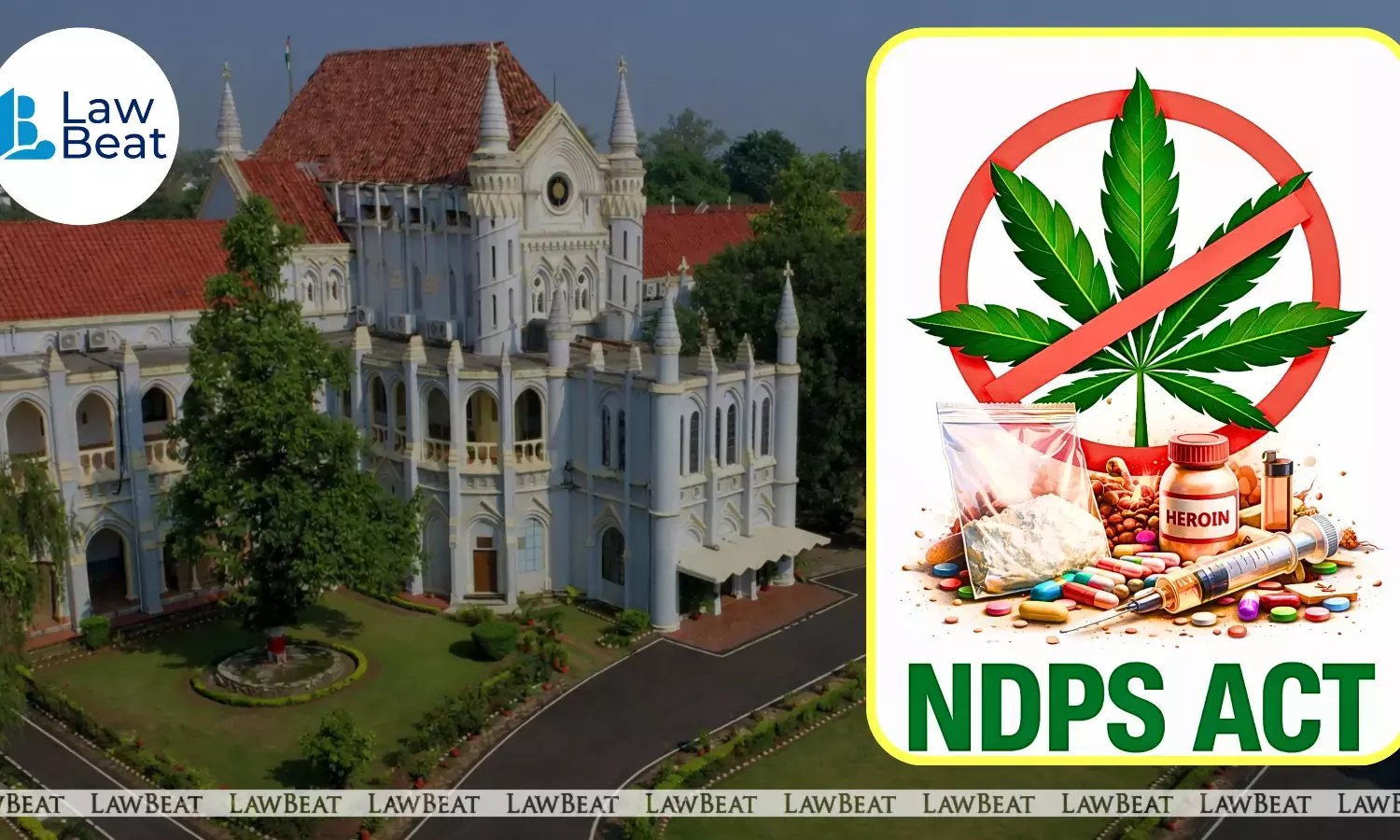
The Madhya Pradesh High Court refuses vehicle release to owner-driver in NDPS drug seizure case
The Madhya Pradesh High Court at Jabalpur recently dismissed a criminal revision petition challenging the rejection of application seeking interim custody of a pickup vehicle seized in connection with an offence under the Narcotic Drugs and Psychotropic Substances Act. Court held that where the owner of the vehicle is also the driver and an accused in the case, the vehicle cannot be released on supurdnama until the reverse burden under the NDPS Act is discharged.
A supurdnama is a court order by which seized property, such as a vehicle, is temporarily handed back to its owner during a pending criminal case. The owner must give an undertaking to produce the property before the court whenever required and comply with conditions imposed by the court.
The revision was heard and decided by Justice Avanindra Kumar Singh on February 5, 2026, with the consent of both parties for final disposal at the admission stage. The challenge was directed against an order dated December 31, 2025 passed by the Special Judge, NDPS Act, Katni, refusing to grant interim custody of the seized vehicle.
Appearing for the applicant, advocate Rohit Sohgaura submitted that the applicant had no connection with the alleged crime and had been falsely implicated. It was argued that the charge-sheet showed that the co-accused was carrying the contraband and that the applicant was unaware of the same. The counsel further contended that under the NDPS Act read with the Code of Criminal Procedure, interim custody of the vehicle could be granted to the owner, and denial of supurdnama would result in deterioration of the vehicle while lying idle.
Opposing the revision, Government Advocate Mukesh Shukla supported the order of the trial court and submitted that the rejection of the supurdnama application was justified in the facts of the case.
The high court noted at the outset that the applicant’s first supurdnama application had been dismissed on the same day as not pressed, and a second application was subsequently filed and rejected after hearing arguments. Court also observed that the case was registered against the applicant and co-accused Badi Pardhi under Sections 8 and 20 of the NDPS Act, and a charge-sheet had already been filed in the matter.
From the material on record, court found that 18 kilograms and 600 grams of ganja had been recovered from the joint possession of the applicant and the co-accused. The pickup vehicle was registered in the name of the applicant himself, who was also the driver at the relevant time.
Justice Singh examined the legal position governing interim release of seized vehicles by referring to the Supreme Court’s decision in Denash v State of Tamil Nadu, which had in turn relied on the principles laid down in Bishwajit Dey v State of Assam. The Supreme Court had identified different scenarios relating to seizure of contraband from conveyances and clarified that interim release of vehicles is generally impermissible where the owner or his agent is directly involved in the offence, unless the reverse burden is discharged.
The high court emphasized that although the Supreme Court had cautioned against applying a rigid formula, each case must be assessed on its own facts. In Denash, interim custody was granted because the owner was not arraigned as an accused, the vehicle was engaged in transporting legitimate commercial goods, and there was no material indicating knowledge or connivance of the owner.
Distinguishing the present case, court held that the applicant was both the owner and driver of the vehicle and was arrayed as an accused. Unlike in Denash, the vehicle in question was not carrying any legitimate goods and was allegedly used solely for transporting ganja packed in sacks. Court held that the facts of the present case were materially different from those considered by the Supreme Court, and therefore did not warrant release of the vehicle on interim custody.
Court concluded that all other factual aspects would be tested during trial through evidence and cross-examination, and the order of the Special Judge could not be termed perverse or illegal. Accordingly, the criminal revision was dismissed, and the rejection of the supurdnama application was upheld.
Case Title: Suresh Yadav v. The State of Madhya Pradesh
Order Date: February 5, 2026
Bench: Justice Avanindra Kumar Singh