
⁠NEET Paper Leak Case: Delhi Court Rejected Plea From Three Accused For A Lie Detector, Brain-Mapping Test
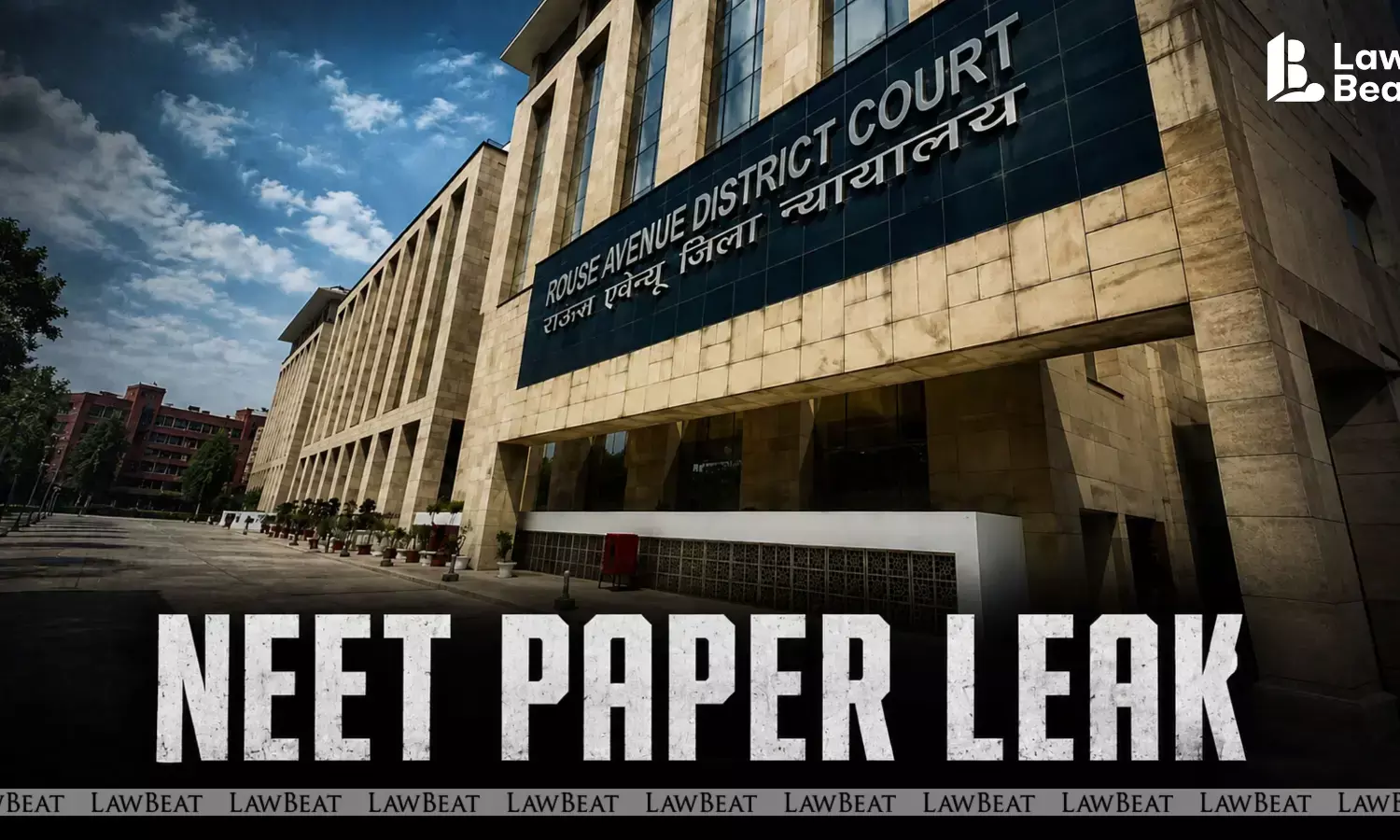
Delhi Rouse Avenue Court fast-track judge Ajay Gupta hearing the NEET UG 2026 paper leak case
X

Delhi fast-track court rejected a plea by three accused in the NEET UG 2026 paper leak case seeking polygraph and brain-mapping tests

The Rouse Avenue Court rejected a voluntary plea by NEET paper leak accused Mangilal, Dinesh, and Vikas Biwal to undergo polygraph and brain-mapping tests to prove their innocence

A designated fast-track court at Delhi's Rouse Avenue Courts has rejected an application filed by three accused in the alleged NEET-UG 2026 paper leak case seeking permission to undergo polygraph and Brain Electrical Activation Profile (BEAP), commonly referred to as brain-mapping, tests.

Special Judge Ajay Gupta dismissed the plea moved by accused Mangal Lal Biwal, Vikas Biwal and Dinesh Biwal. The accused had sought permission to voluntarily undergo the tests, claiming that the exercise would help demonstrate their bona fides and assist the Central Bureau of Investigation (CBI) in conducting a fair and transparent investigation.

The accused, through counsel Advocate A.P. Singh, argued that a fair investigation and fair trial were facets of their fundamental rights under Article 21 of the Constitution. The application sought permission for polygraph, lie-detector and brain-mapping examinations.

The CBI opposed the plea. Senior Public Prosecutor V.K. Pathak submitted that the application was not maintainable and also sought costs against the accused.

Order on Cognizance of CBI chargesheet deferred

Meanwhile, the court deferred its order on whether to take cognisance of the CBI's chargesheet against 13 accused in the case.

The court observed that the order was being dictated but could not be completed due to the voluminous record. The order on cognisance will now be pronounced on August 12.

The court also extended the judicial custody of the accused until August 12. The accused appeared before the court through video conferencing.

CBI filed nearly 20,000 page chargesheet

The CBI has filed a nearly 20,000-page chargesheet against 13 accused in connection with alleged irregularities and leakage of the NEET-UG 2026 question paper.

The chargesheet reportedly cites 360 witnesses, 422 documents and 43 material objects.

The accused have been booked for offences including criminal conspiracy, cheating, criminal breach of trust and destruction of evidence under the Bharatiya Nyaya Sanhita, besides provisions of the Prevention of Corruption Act and the Public Examinations (Prevention of Unfair Means) Act, 2024.

CBI Investigation into alleged paper leak

The case originated from a complaint lodged by the Department of Higher Education on May 12 concerning alleged irregularities in the NEET-UG 2026 examination held on May 3. The CBI registered an FIR the same day and constituted multiple investigation teams comprising 72 officers and personnel, along with eight cyber-forensic experts.

According to the agency, searches were conducted at 92 locations across Maharashtra, Rajasthan, Haryana, Delhi and other States. Digital devices, communication equipment and documents were allegedly seized during the searches.

The CBI made its first arrest on May 13, with 13 persons arrested so far. Those arrested include three NTA subject experts in Chemistry, Biology and Physics, alleged middlemen accused of sourcing and distributing the leaked questions, and persons associated with coaching institutes.

As part of the investigation into the alleged money trail, the agency has also frozen several bank accounts, bank lockers and a demat account.

The court's decision on cognisance of the chargesheet is now awaited on August 12.

Background

In a related news, the Delhi High Court recently transferred Special Judge Anu Grover Baliga, who was appointed only last month to preside over the designated fast-track court for paper leak cases, as part of a major reshuffle involving 138 judicial officers. Judge Baliga, who assumed charge of the special paper leak court at Rouse Avenue Courts on July 25, spent just over a week hearing matters before being transferred to a Special Court constituted under the National Investigation Agency (NIA) Act to deal with terrorism-related cases.
The transfer comes days after the Delhi High Court, on July 23, designated a special fast-track court to exclusively hear criminal cases relating to paper leaks and other unfair practices in public examinations.

Special Judge Ajay Gupta, who had earlier been hearing paper leak cases, including the high-profile NEET-UG paper leak matter, has now been posted back to the designated paper leak court and will continue hearing the cases.

The special court had held its first hearing in the NEET paper leak case on July 27. However, the proceedings were adjourned at the request of the defence, and the matter is now listed before Judge Gupta for consideration of the CBI's chargesheet as well as the bail applications of two accused.

The designated paper leak court was established following Prime Minister Narendra Modi's announcement that fast-track courts would be set up to ensure the expeditious disposal of cases involving examination paper leaks. Addressing the issue, PM Modi said protecting the future of students was a top priority and asserted that those responsible for compromising the integrity of examinations would face swift justice through dedicated courts.

"Nothing is more important than the future of our youth," the Prime Minister said in an X post, adding that his government was committed to ensuring strict punishment for those involved in paper leak rackets. He also reiterated the government's resolve to make the examination system secure and transparent.

On July 20, thousands of students and youth activists participating in the 'Chalo Sansad' march from Jantar Mantar towards Parliament clashed with Delhi Police after they were stopped from proceeding further. Police had to use tear gas and lathi-charge to disperse the protesters, triggering allegations of excessive use of force and prompting calls for an independent judicial inquiry.

The police action has since drawn criticism from several quarters. Supreme Court Bar Association President and Senior Advocate Vikas Singh has written to Prime Minister Narendra Modi and Union Home Minister Amit Shah seeking a judicial inquiry into the alleged police excesses, contending that the crackdown on peaceful demonstrators violated their constitutional rights under Articles 14, 19 and 21.

Pursuant to the decision, the Delhi High Court designated a special court at Rouse Avenue to hear cases under the Public Examinations (Prevention of Unfair Means) Act, 2024, and directed that all such cases be transferred to it.

Tags

Next Story