
No Law Allows Closure of Madarsa Only for Being Unrecognised, Says Allahabad High Court
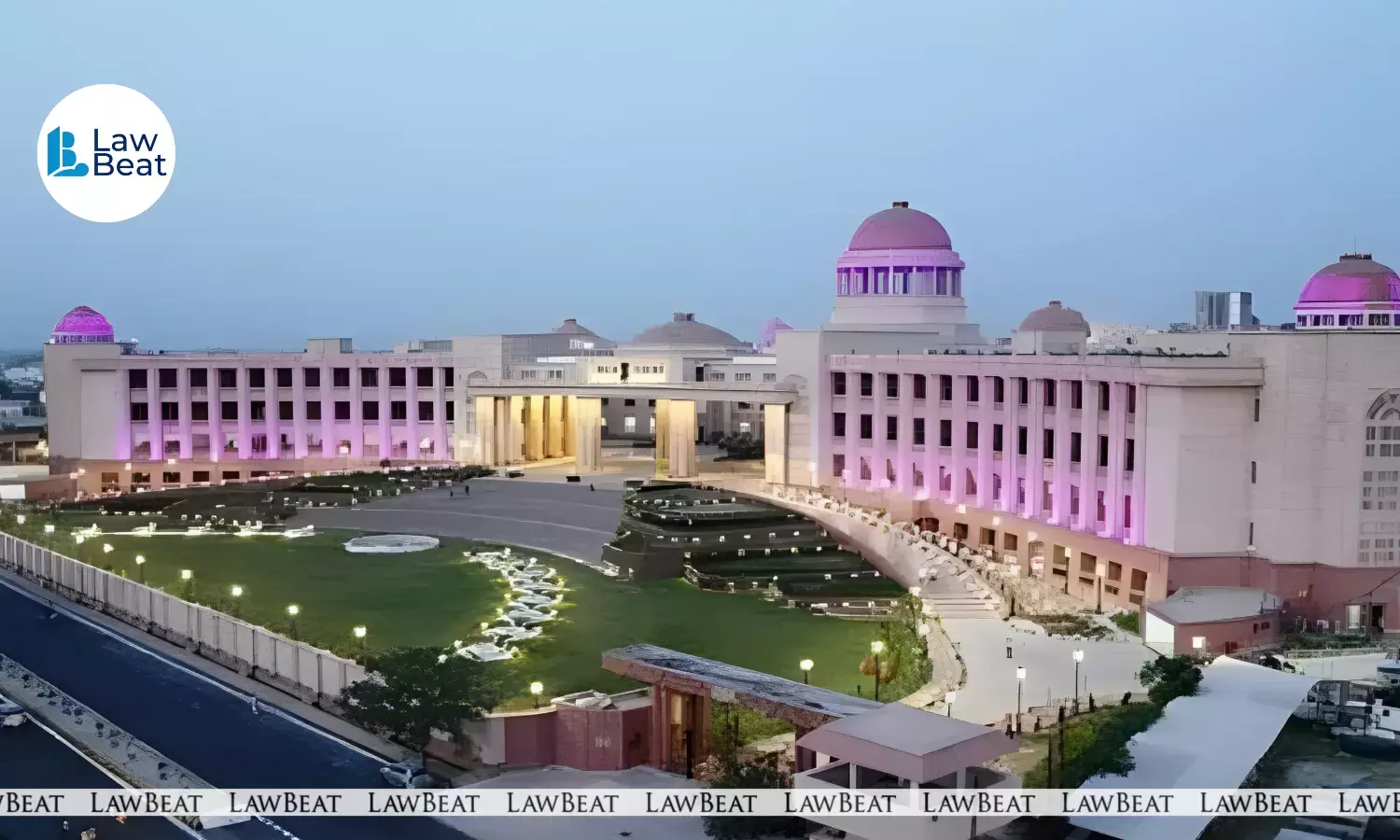
Allahabad High Court quashes order directing closure of Shrawasti unrecognized madarsa
The Allahabad High Court recently quashed an order passed by the District Minority Welfare Officer, Shrawasti, directing the closure of an unrecognised madarsa, holding that there is no legal provision enabling authorities to shut down such institutions solely on the ground of lack of recognition.
Allowing a writ petition filed by C/M Madarsa Ahle Sunnat Imam Ahmad Raza, Justice Subhash Vidyarthi quashed the order dated 1 May 2025, which had directed the madarsa to stop functioning and had resulted in its premises being sealed. Court also directed that the seal placed on the madarsa be opened within 24 hours of production of a certified copy of the judgment.
The dispute arose after the district minority welfare officer ordered the closure of the madarsa on the ground that it was being run without recognition from the Uttar Pradesh Board of Madarsa Education. Challenging this action, the madarsa approached the high court contending that while it was unrecognised, there was no statutory provision authorising the State to close down an institution merely for that reason.
Counsel for the petitioner argued that Regulation 13 of the Uttar Pradesh Non-Governmental Arabic and Persian Madarsa Recognition, Administration and Services Regulation, 2016 clearly stipulates the consequence of non-recognition. According to the regulation, an unrecognised madarsa is not entitled to receive any grant from the State. It does not, however, provide for closure of the institution.
It was further submitted that the petitioner madarsa was not seeking any financial aid or recognition from the State and was functioning independently. In this context, reliance was placed on the Supreme Court judgment in Anjum Kadari v Union of India, where the apex court had referred to its earlier opinion in In re: Kerala Education Bill, 1957. The Supreme Court had classified minority educational institutions into three categories: those which do not seek aid or recognition, those which seek aid, and those which seek recognition without aid. Institutions falling in the first category, it was argued, enjoy protection under Article 30(1) of the Constitution.
The petitioner claimed that it squarely fell within this first category and, therefore, its right to establish and administer the madarsa could not be curtailed by executive action ordering closure.
Opposing the writ petition, the Additional Chief Standing Counsel appearing for the State argued that allowing unrecognised madarsas to function could lead to complications. He submitted that students studying in such institutions would not be entitled to claim any benefit on the basis of qualifications obtained from an unrecognised madarsa. However, during the hearing, the State was unable to dispute that there was no provision under the 2016 regulations empowering authorities to stop the functioning of a madarsa solely because it lacked recognition.
The State also informed the court that a show cause notice had been issued to the petitioner on 26 August 2025 and that no reply had been submitted. The court, however, found that this fact did not justify the impugned closure order in the absence of any statutory backing.
After examining the regulatory framework and the submissions made by both sides, the high court concluded that the closure order could not be sustained in law. Court held that non-recognition may have consequences, but closure of the institution was not one of them under the applicable regulations.
While granting relief to the madarsa, court made it clear that its decision did not confer any additional rights on the institution. It clarified that until recognition is granted, the madarsa would not be entitled to claim any government grant. Court further stated that the Madarsa Education Board would not be obliged to permit students of the petitioner madarsa to appear in examinations conducted by the Board, and that students would not be entitled to claim any benefit from the State on the basis of qualifications obtained from the madarsa.
With these observations, the writ petition was allowed and the closure order was quashed.
Case Title: C/M Madarsa Ahle Sunnat Imam Ahmad Raza Thru.Manager,Abdul Rahman vs. State Of U.P. Thru. Addl. Chief Secy. MinorityWelfare Deptt. Civil Sectt. Lko. And 3 Others
Order Date: January 16, 2026
Bench: Justice Subhash Vidyarthi