
'Phansi Ghar' Row: Arvind Kejriwal, Manish Sisodia Withdraw Delhi HC Plea Challenging Assembly Notice
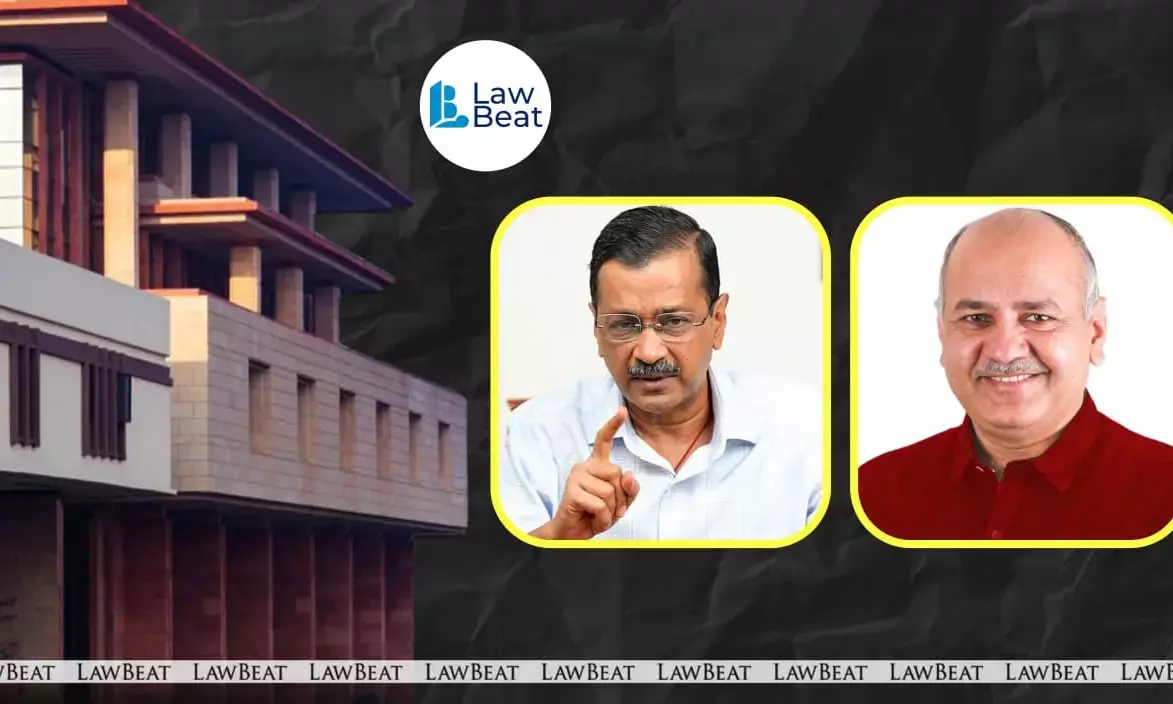
The Delhi High Court recently permitted former Delhi Chief Minister Arvind Kejriwal and former Minister Manish Sisodia to withdraw their plea challenging a notice issued by the Delhi Legislative Assembly in connection with the controversy surrounding the structure described as the "Phansi Ghar" on the Assembly premises.
Justice Sachin Datta, in an order dated August 21, 2026, recorded the submission on behalf of the Assembly that the impugned notice had been issued to the petitioners, "only for the purpose of conducting a fact-finding enquiry (as of now)".
In view of that submission, senior counsel appearing for the petitioners stated that they did not wish to press the petition at that stage, while expressly reserving their rights and remedies in respect of any fresh cause of action that may arise.
The writ petition was accordingly dismissed as withdrawn. The pending application was also disposed of.
What was the High Court petition about?
Kejriwal and Sisodia had approached the High Court against proceedings initiated by the Delhi Legislative Assembly concerning the controversial structure inside the Assembly complex.
The dispute centers on a portion of the Assembly premises that was presented during the previous AAP government as a historical execution chamber, or "Phansi Ghar", associated with freedom fighters. The structure was renovated and inaugurated in 2022 as a memorial.
The issue subsequently came under scrutiny after the present Assembly questioned the historical basis for describing the room as an execution chamber. Building records and other material were cited to suggest that the space had served a different purpose.
The controversy eventually reached the Assembly's Committee of Privileges, which initiated proceedings and issued notices to former office-bearers associated with the earlier Assembly.
Kejriwal had challenged the Assembly proceedings
The petition before the High Court was filed by Kejriwal and Sisodia against the Legislative Assembly, NCT of Delhi and other respondents.
The challenge sought judicial intervention against the notice issued in connection with the Assembly's proceedings.
The petitioners' case was that the present Assembly's privileges mechanism could not be used to examine actions taken during the tenure of the previous Assembly and that the controversy did not disclose the kind of breach of privilege or legislative obstruction necessary to invoke such jurisdiction.
They had also questioned the procedural basis of the proceedings and argued that the dispute concerned an administrative decision relating to the Assembly premises rather than conduct having a functional connection with legislative privilege.
The Assembly, on the other hand, maintained that the proceedings were at a preliminary stage and were intended to ascertain facts before any conclusion was reached. It was stated that the committee was seeking information and assistance in determining the authenticity and history of the structure, rather than having already reached a final conclusion against the former leaders.
In the August 21 order, the Court recorded the Assembly's submission that the notice was, at that stage, confined to a fact-finding enquiry.
Once that position was placed on record, Kejriwal's counsel chose not to press the petition.
Background to the ‘Phansi Ghar’ controversy
The controversy relates to a structure within the Delhi Assembly complex that was renovated during the AAP government's tenure and presented in 2022 as a memorial associated with freedom fighters.
The issue resurfaced after Speaker Vijender Gupta, in August last year, questioned the historical description of the structure and placed building-related records before the House. The Assembly subsequently took up the matter and referred it to its privileges mechanism.
The proceedings later resulted in notices being issued to Kejriwal, former Deputy Chief Minister Manish Sisodia and other former Assembly functionaries.
In November 2025, Kejriwal and Sisodia had approached the Delhi High Court challenging the summons. At that stage, Justice Sachin Datta had raised questions about the maintainability of the challenge, while the Assembly argued that the proceedings were essentially fact-finding in nature.
The former AAP leaders had also not appeared before the privileges committee on an earlier scheduled date, following which fresh summons were issued.
Case title : ARVIND KEJRIWAL AND ANR v LEGISLATIVE ASSEMBLY, NCT OF DELHI AND ORS