
Rahul Easwar Challenges Procedural Lapses in Arrest; Kerala Court Refuses Bail
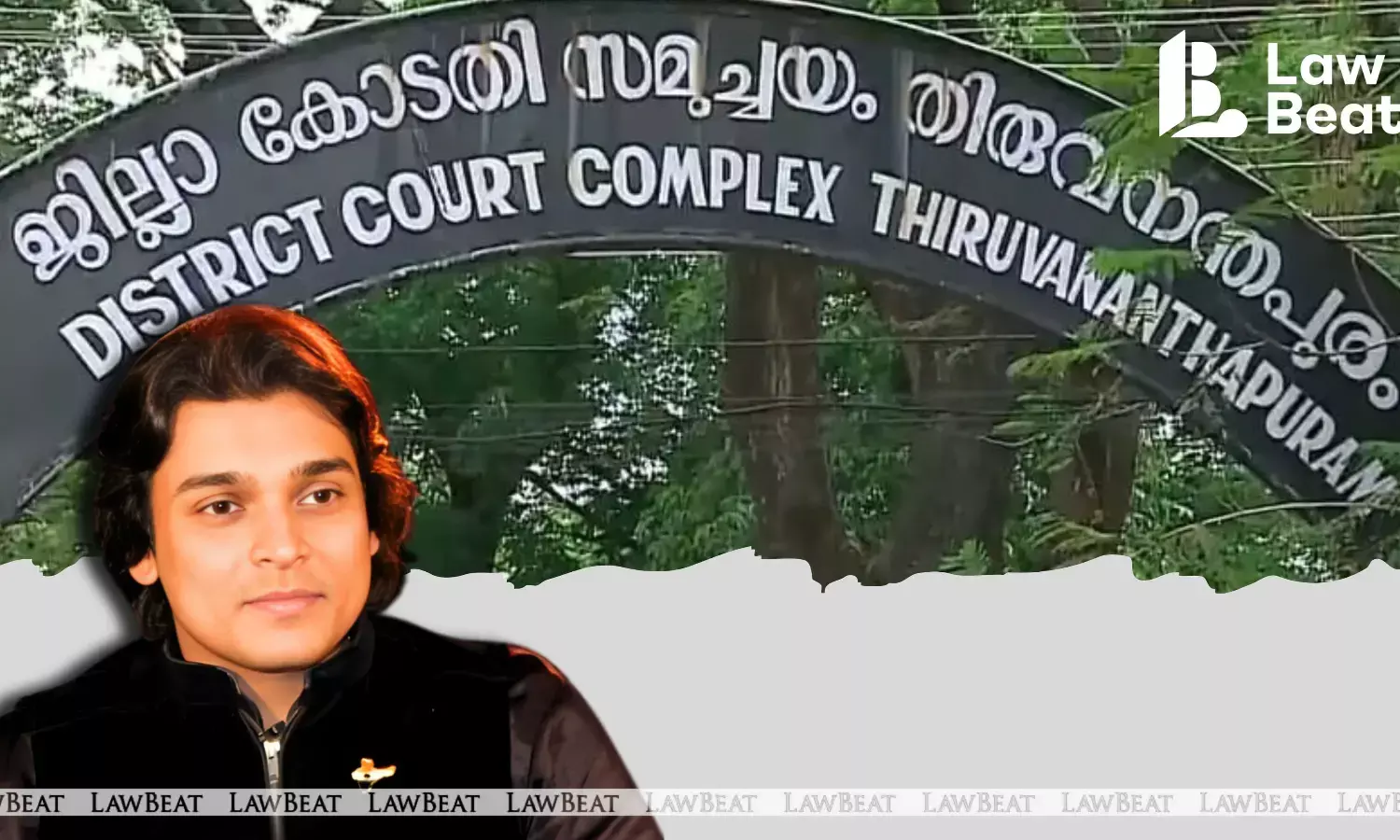
Thiruvananthapuram Court Declines Bail as Defence Challenges Evidence, Notice and Need for Custody
A Thiruvananthapuram court on Monday declined to grant bail to public policy commentator and activist Rahul K. Easwar, rejecting his objections to the manner of his arrest and his contention that the statutory safeguards under the Bharatiya Nagarik Suraksha Sanhita (BNSS) had not been followed.
Easwar, arrayed as Accused No. 5 in a case alleging unlawful disclosure of a rape survivor’s identity, had maintained before the court that the police neither issued a proper notice under Section 35(1) BNSS nor presented any material to justify treating the only non-bailable offence invoked against him as such.
The order was passed by Additional Chief Judicial Magistrate Elsa Catherine George on 1.12.2025.
According to the prosecution, Easwar and four others had procured and circulated photographs and personal details of the complainant, the victim in Nemom Police Station Crime No. 1750/2025, through Facebook, YouTube and other platforms.
The State alleged that the publication of these details amounted to a violation of statutory prohibitions on disclosing the identity of victims of sexual offences. The present case, registered as Thiruvananthapuram City Cyber Crime Police Station Crime No. 169/2025, invoked offences under Sections 72, 75(1)(iv), 79, 351(1), 351(2) of the Bharatiya Nyaya Sanhita and Section 43 read with 66 of the Information Technology Act.
Easwar’s principal defence was that his arrest had been procedurally defective.
He argued that the police had not issued a mandatory notice under BNSS Section 35(1), which required prior intimation except in narrowly defined circumstances.
He contended that the prosecution had not demonstrated any urgency or exception that could justify bypassing this statutory safeguard. On the question of the offences invoked, he submitted that the only non-bailable provision, Section 75(1)(iv) BNS, relating to “sexually coloured remarks”, carried a maximum punishment of one year. According to him, an offence with such a limited maximum sentence ought, in law, to be treated as bailable, and the prosecution had not shown why it should assume a non-bailable character.
Easwar further argued that the case records did not contain any material indicating that he had made sexually coloured remarks, pointing out that the police had not placed the alleged videos or comments before the court at the time of his production.
He submitted that further detention was unnecessary and volunteered to comply with a gag order or any stringent conditions to ensure that he did not comment on the matter or interfere with the investigation.
The prosecution disputed each of these submissions; The State argued that the remand report itself explained the reasons why prior notice under BNSS Section 35(1) had not been issued, and maintained that all procedural requirements had been satisfied.
It informed the court that the videos containing the alleged remarks had been recovered and produced before the Magistrate, and that a separate mahazar documenting the recovery was being prepared. According to the State, the investigation was at a “very initial” stage and several electronic devices allegedly used in the commission of the offence were yet to be recovered.
The prosecution also submitted that the accused had “similar criminal antecedents” and argued that his release at this stage could lead to repetition of the conduct or tampering with crucial digital evidence.
On this basis, custodial interrogation was said to be necessary to complete the recovery process and trace the involvement of the remaining accused.
After hearing both sides and examining the records, the court held that the prima facie ingredients of Section 75(1)(iv) BNS appeared to be present. The Magistrate observed that making such remarks on social media against a victim involved in an ongoing sexual-offence investigation “could not be viewed lightly,” particularly when the investigation was still underway.
The court noted that multiple accused were yet to be arrested and that the release of Easwar at this stage could impede the progress of the probe or result in tampering with the digital material involved.
Though the defence had raised questions regarding compliance with BNSS procedural safeguards and the limited punishment prescribed for the offence, the court held that the nature and gravity of the allegations, coupled with the early stage of the investigation, justified refusing bail.
The application was therefore dismissed.
Case Title: Rahul K. Easwar v. State of Kerala
Bench: ACJM Elsa Catherine George
Order Date: 1.12.2025