
Relationship With Student Was Misconduct, Not Sexual Harassment: Allahabad HC Holds Lecturer's Dismissal Disproportionate
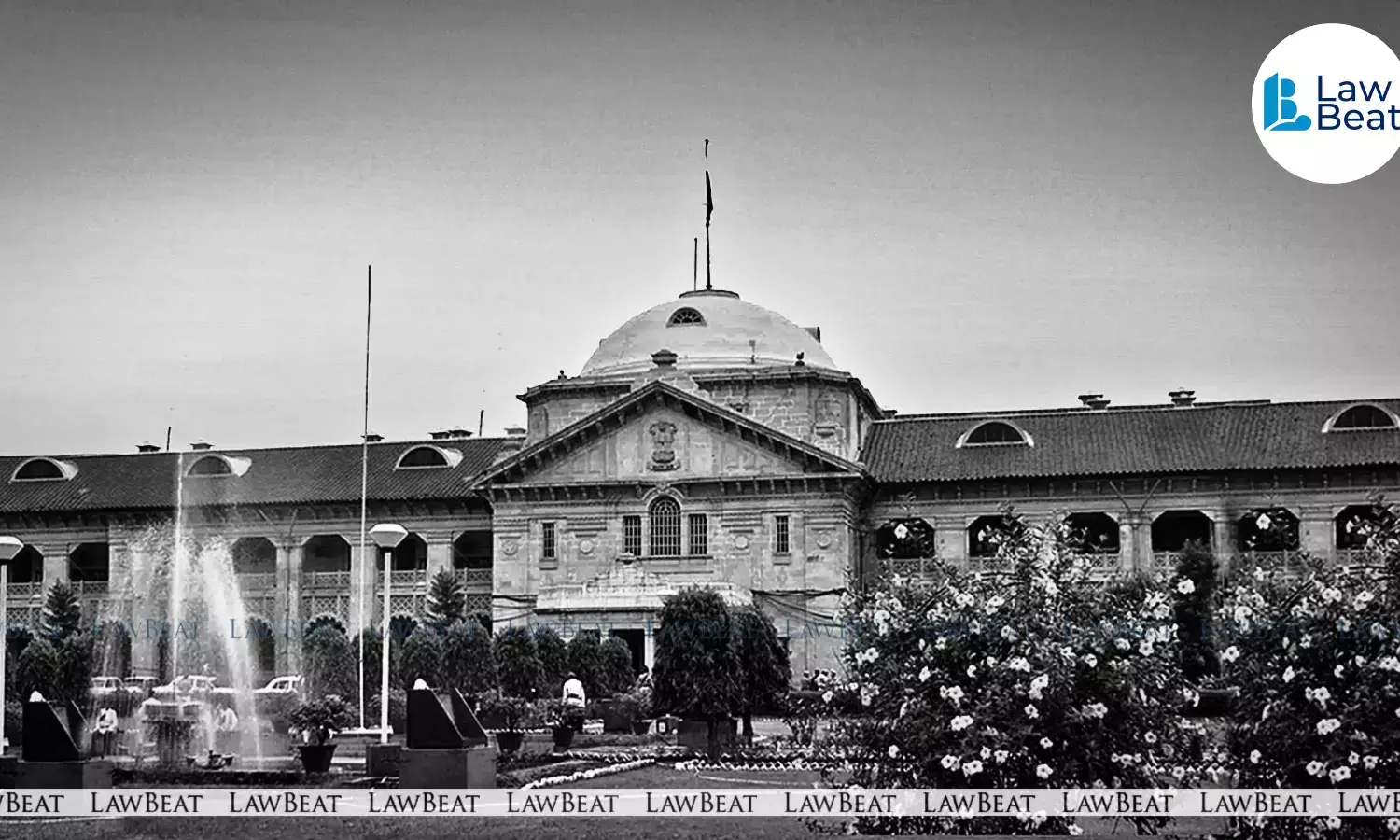
Allahabad High Court finds MNNIT lecturer dismissal for student relationship shockingly disproportionate
The Allahabad High Court recently remitted the dismissal order of a Motilal Nehru National Institute of Technology lecturer to the disciplinary authority to reconsider the quantum of punishment, holding that termination from service for a consensual relationship with a student was 'shockingly disproportionate'.
The bench of Justice Saurabh Shyam Shamshery held that while the institute was justified in proceeding against the lecturer for failing to maintain the sanctity of the teacher–student relationship, the extreme penalty of dismissal with disqualification could not be sustained, particularly when the relationship was admitted to be consensual, no criminal case was ever registered, and the complaint was lodged several years after the student had left the institute.
Singh, who joined MNNIT in 1999 as a Lecturer in the Computer Science and Engineering department, was dismissed from service in February 2006 following a complaint by a former woman student alleging an improper relationship during her student years. While the complainant initially alleged coercion, she later admitted that the relationship became consensual and continued for nearly three years even after she left the institute.
Acting on the complaint, the institute first constituted a five-member committee, which did not return any definitive finding on sexual assault. Singh was nevertheless suspended, and a One-Man Inquiry Commission headed by a former judge of the High Court was later appointed.
The Commission concluded that Singh had committed gross misconduct by showing “special favour” to the student and engaging in a physical relationship with her while she was enrolled at the institute. Emphasising the sanctity of the teacher-student relationship and societal expectations from educators, the Commission recommended termination from service. The Board of Governors accepted the recommendation and dismissed Singh with disqualification from future employment.
Before the High Court, Singh challenged the dismissal on the ground that the institute had completely bypassed the disciplinary procedure laid down under its own service rules. He argued that no charge-sheet was issued, no inquiry officer or presenting officer was appointed, and he was denied the opportunity to cross-examine witnesses.
The High Court agreed that the prescribed procedure had not been followed. However, it held that Singh was not prejudiced on facts, as he had admitted to the relationship with the student, which continued even after she left the institute. Court observed that even if a full-fledged departmental inquiry had been conducted, the outcome on misconduct would not have been materially different.
At the same time, court examined whether the nature of the misconduct warranted the extreme penalty of dismissal with disqualification. It noted that the relationship was admittedly consensual, no FIR was ever lodged by the complainant, and the complaint was made several years after she ceased to be a student, following the breakdown of the relationship.
Court also observed that the case did not amount to sexual harassment as understood under service rules, but was essentially one of moral impropriety. While holding that Singh failed to maintain the high moral standards expected of a teacher, court noted that there were no other complaints against him during his service.
“In these circumstances,” the Court held, “termination from service with disqualification is shockingly disproportionate. It concluded that the case may warrant a lesser, minor punishment rather than a major penalty like dismissal.
"No doubt the petitioner has not followed or kept high standard of morality but there is another factor that except the said allegation there is no other allegation against petitioner despite he was doing job for almost three years before the order of termination was passed. In case petitioner got married with complainant after their relationship of three years, possibly no complaint was filed," court observed.
Accordingly, the High Court interfered with the dismissal order only to the extent of punishment and remitted the matter to the disciplinary authority of MNNIT to reconsider the quantum of punishment in light of its observations. The writ petition was disposed of with these directions.
Case Title: Rajesh Singh vs Board of Governors, Motilal Nehru National Institute of Technology and another
Judgment Date: December 16, 2025
Bench: Justice Saurabh Shyam Shamshery