
Right To Travel Abroad Integral To Article 21; Bombay HC Sets Aside LOC Issued In SFIO Probe
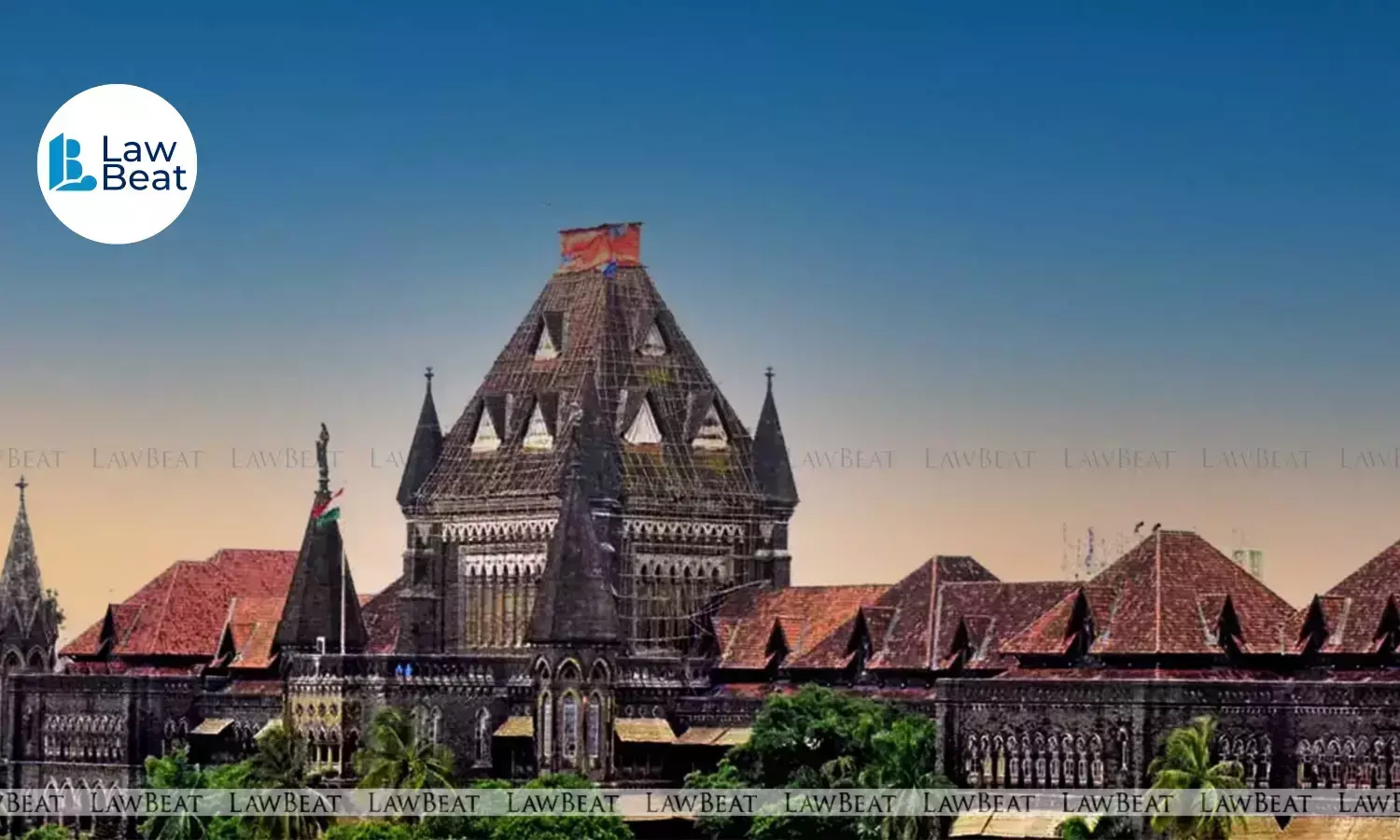
Bombay High Court quashed a Look Out Circular issued against an 89-year-old petitioner in an SFIO investigation, holding that the right to travel abroad is part of personal liberty under Article 21.
The Bombay High Court has held that the right to travel abroad is an integral part of the right to personal liberty under Article 21 of the Constitution and cannot be curtailed by continuing a Look Out Circular (LOC) when there is no reasonable apprehension that the person concerned would evade investigation or abscond.
A division bench of Justice A. S. Gadkari and Justice Shyam C. Chandak allowed a writ petition filed by an elderly Pune resident and quashed the Look Out Circular issued against him by the Serious Fraud Investigation Office (SFIO).
The Court held that in the absence of any indication that the petitioner had attempted to evade investigation or misuse liberty granted by the court, continuation of the LOC was unnecessary and liable to be set aside.
The petition had been filed under Article 226 of the Constitution read with Section 482 of the Code of Criminal Procedure seeking quashing of a Look Out Circular issued against the petitioner in connection with an investigation initiated by the SFIO under Section 212(1) of the Companies Act, 2013.
The investigation related to the affairs of M/s ISMT Limited, where the petitioner had earlier served on the board before resigning in March, 2022.
According to the petitioner, the company had undergone a successful debt resolution process and had entered into a One Time Settlement with its lenders, fully discharging its financial liabilities.
However, during the course of the ongoing investigation, a Look Out Circular was issued against him, which came to light when he was stopped from travelling abroad at the Chhatrapati Shivaji Maharaj International Airport in Mumbai on 18.04.2022.
The petitioner subsequently approached the High Court contending that the LOC was issued contrary to the Office Memorandum governing issuance of such circulars and violated his fundamental rights.
He argued that he had been cooperating with the investigation at all times and that the travel restriction had severely affected his ability to travel abroad despite having deep social and business roots in India.
During the hearing, counsel for the petitioner submitted that the investigating agency had not disputed that the petitioner had cooperated with the investigation throughout.
It was further pointed out that during the pendency of the writ petition, the High Court had permitted the petitioner to travel abroad on certain occasions subject to conditions.
On each occasion, the petitioner complied with the conditions and returned to India within the stipulated time, indicating that he had not misused the liberty granted by the Court.
The petitioner also emphasized that he had never been arrested in connection with the investigation and had consistently responded whenever required by the investigating agency.
Opposing the petition, the prosecution relied upon the findings in the SFIO investigation report, which suggested that the petitioner, as founder of the company, had failed to ensure that the company’s financial statements reflected a true and fair view of its financial position. It was alleged that he had knowingly approved financial statements despite being aware of serious financial issues, thereby attracting provisions under the Companies Act, 2013.
The prosecution argued that even if the Look Out Circular were to be quashed, the Court should direct the petitioner to deposit his passport and require him to seek prior permission from the trial court before travelling abroad.
After considering the submissions of both sides, the Court noted that several material facts weighed in favour of the petitioner.
It observed that the petitioner was a permanent resident of Pune with deep social and business roots in India and that the respondents had not disputed his cooperation with the investigation.
The bench also took note of the fact that the petitioner had previously been granted permission by the Court to travel abroad during the pendency of the petition and had complied with all conditions without violating them.
The Court held that these circumstances demonstrated that there was no real apprehension that the petitioner would abscond if the Look Out Circular were lifted.
Another significant factor considered by the Court was the petitioner’s advanced age.
The Court noted that the petitioner was now 89 years old and wished to travel abroad to meet family and friends while his health permitted.
In this context, the Court emphasized that the right to travel is an integral component of the right to personal liberty guaranteed under Article 21 of the Constitution. Any unreasonable restriction on such travel would adversely affect an individual’s quality of life and personal well-being.
The Court also observed that the petitioner had not been arrested during the investigation and that the investigating agency did not require his physical presence until the commencement of trial proceedings in the related case.
In view of these factors, the Court concluded that continuation of the Look Out Circular was unwarranted.
Accordingly, the High Court quashed the Look Out Circular issued against the petitioner on 22.02.2021 and allowed the writ petition.
Case Title: Baldevraj Topan Ram Taneja v. Assistant Director, SFIO & Ors.
Bench: Justice A. S. Gadkari and Justice Shyam C. Chandak
Date of Judgment: 25.02.2026