
Rohingya-Bangladeshi Settlement Case: Allahabad High Court Denies Anticipatory Bail, Slams ATS for ‘Callous’ Probe
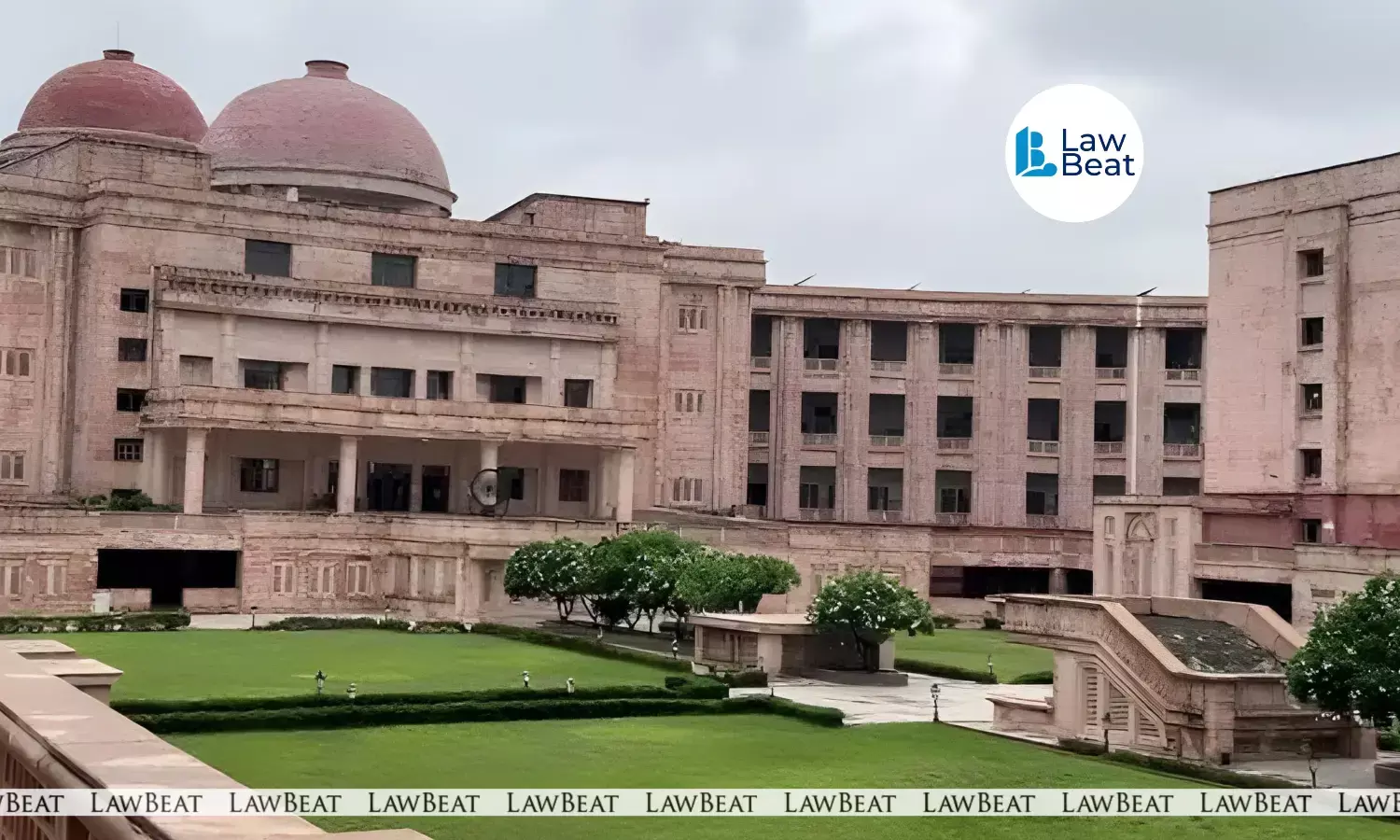
Allahabad High Court denies bail for NGO head accused of assisting illegal Bangladeshi immigrants
The Allahabad High Court recently declined to interfere in the NIA court's denial of anticipatory bail in a case involving allegations of facilitating illegal settlement and financial assistance to Rohingya and Bangladeshi nationals, even as it sharply criticised the investigating agency for its “callous and careless” handling of the probe despite the seriousness of the accusations.
A division bench of Justice Rajesh Singh Chauhan and Justice Pramod Kumar Srivastava dismissed a criminal appeal challenging a November 2025 order of the Special Judge (NIA), Lucknow, which had rejected a plea for pre-arrest bail by one Dr. Abdul Ghaffar in an ATS case registered in October 2023 under multiple provisions of the IPC, the Foreigners Act and the Passport Act.
The FIR, lodged at ATS Gomtinagar, Lucknow, pertains to an alleged syndicate accused of cheating, forgery, human trafficking and conspiracy, with the prosecution claiming that the activities had implications for national security, public order and communal harmony. Ten persons were named in the case, with the prosecution asserting that some of them played a direct role while others were involved indirectly.
The appellant before the high court was later identified and was shown as accused no. 9 in the FIR. His counsel argued that he had been implicated on the basis of suspicion and that, despite more than two years having passed since registration of the FIR, the investigating agency had neither arrested him nor filed a charge sheet against him.
Placing emphasis on the investigation timeline, the defence pointed out that the ATS had filed seven charge sheets between January 2024 and February 2025 against co-accused persons, all of whom were subsequently enlarged on regular bail. No charge sheet, however, had been filed against the appellant. It was further contended that coercive steps such as non-bailable warrants and proclamation proceedings had either failed to secure his arrest or were later set aside by the high court.
The defence also questioned the seriousness of the investigation itself, noting that the investigating officer had not sought a search warrant for the appellant’s NGO office in New Delhi, even though the prosecution claimed that the organisation was central to the alleged illegal activities. According to the appellant, this omission suggested that the agency had not gathered credible material warranting custodial interrogation.
The State opposed the appeal, asserting that the appellant was the key figure behind a larger network that allegedly channelled funds, including through hawala routes, to assist illegal immigrants, particularly Rohingya and Bangladeshi nationals. The prosecution relied on supplementary case diary material, which purportedly showed financial transfers into the NGO’s account and recorded phone conversations between the appellant and a co-accused, including instructions to delete call records.
The State further claimed that surveillance dating back to 2021 had revealed suspicious communications, which were later confirmed through forensic analysis. It was argued that the appellant had evaded arrest, compelling the investigating agency to seek non-bailable warrants and proclamation orders.
While rejecting the anticipatory bail plea, the high court did not spare the investigating agency. The bench recorded its serious displeasure over the failure of the investigators to take timely and effective steps, particularly in a case involving allegations with potential implications for national security. Court noted that the investigating officer was unable to explain why no search warrant had been sought for the appellant’s office premises or why no fresh application was moved after earlier proclamation proceedings were set aside.
Court directed that its observations be placed before senior state authorities, including the Chief Secretary, Additional Chief Secretary (Home) and the Director General of Police, for information and appropriate action.
Despite these observations, the bench held that the gravity of the allegations, the nature of the offences and the possibility of custodial interrogation weighed against granting anticipatory bail. It clarified that the setting aside of earlier coercive orders did not preclude the investigating agency from arresting the appellant in accordance with law.
Dismissing the appeal at the admission stage, court granted liberty to the appellant to appear before the investigating officer within a week and cooperate with the investigation. It further clarified that if he is taken into custody, he would be entitled to seek regular bail, which would be decided independently on its own merits.
Case Title: Dr. Abdul Ghaffar vs. State Of U.P. Thru. Addl. Chif Secy. / Prin. Secy. Home Lko. And 2 Others
Order Date: January 9, 2026
Bench: Justices Rajesh Singh Chauhan and Pramod Kumar Srivastava