
Samay Raina's India's Got Latent Season 2 Returns With 11-Member Legal Team After Last Year's FIR Controversy
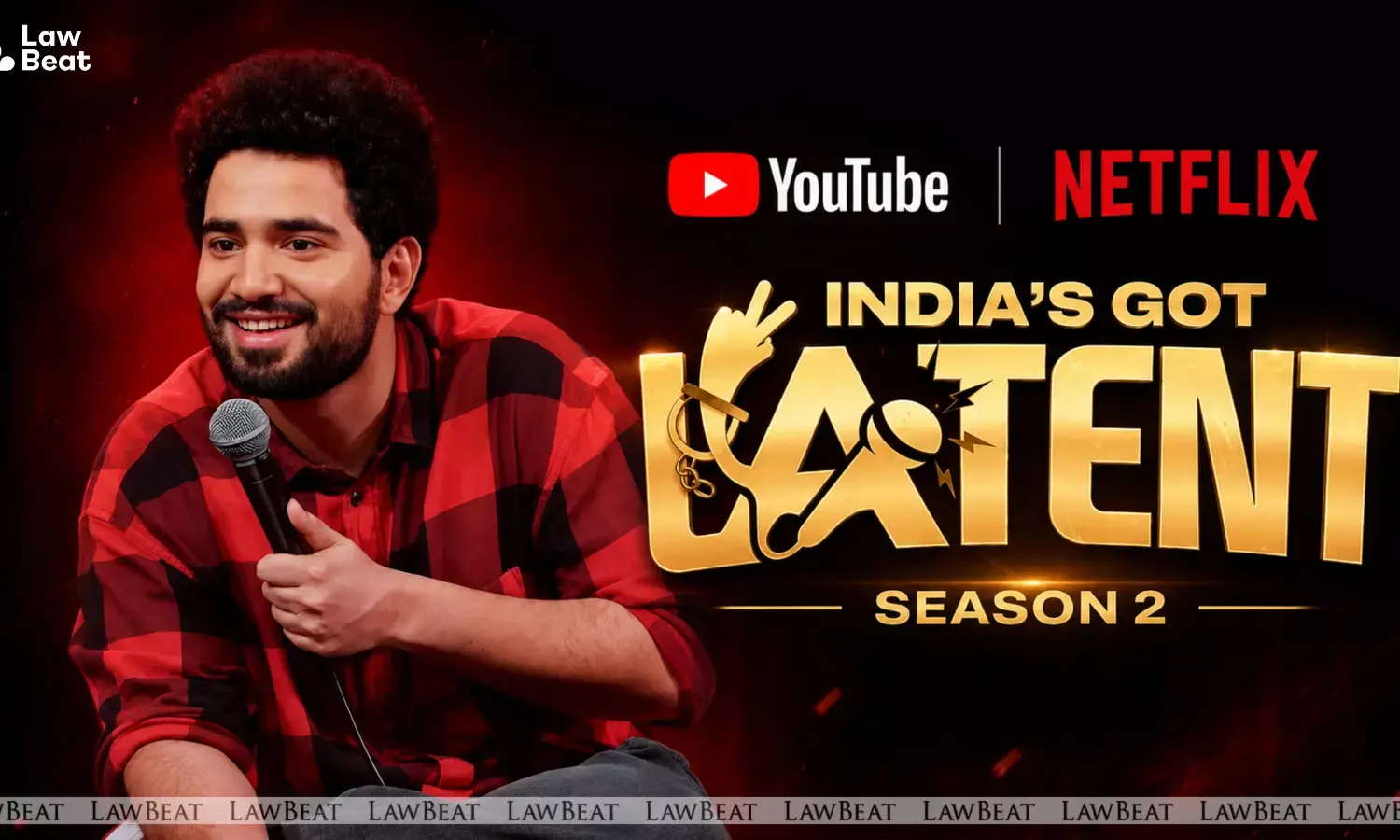
India's Got Latent Season 2 featured an 11-member legal team in its credits following last year's controversy and legal scrutiny
Stand-up comedian and YouTuber Samay Raina has brought back India's Got Latent for a second season, but this time it is not just the contestants or celebrity judges drawing attention. The show's end credits reveal an 11-member legal team, reflecting what appears to be a significantly more structured legal review process after the controversies that engulfed the show's first season.
The new season premiered on Netflix before becoming available on YouTube on June 20. While audiences tuned in for the comedy and performances, many were quick to notice the unusually extensive legal credits, prompting discussions on social media about whether the production had strengthened its legal safeguards following last year's legal fallout.
Leading the legal team is Mumbai-based Hirani & Associates, a law firm known for its practice in intellectual property, media and entertainment law, litigation advisory and content-related legal compliance. The firm's Managing Partner, Lavin Hirani, has advised production houses, broadcasters, digital creators and celebrities on issues involving copyright, content acquisition, talent agreements, endorsements, licensing and media disputes.
The credits also acknowledge Advocates Anjana Menon, Karisma Shah, Varun Gopala Krishnan, Prachiti Joshi, Niharika Tiwari, Ishan Puranaik, Suhavi Arya, Shrawasti Verma, Clint Thattil, Shreya Divyanshika Kumar and Siri Gudupati.
Why would a comedy show need such a large legal team?
For digital productions today, legal review extends far beyond handling disputes after release. Lawyers are often involved at every stage of production, including reviewing scripts for potential legal issues, clearing intellectual property rights, drafting contestant and talent agreements, ensuring compliance with platform-specific content policies, vetting sponsorship and licensing arrangements, and assessing legal risks relating to defamation, obscenity, privacy, copyright and regulatory compliance.
With content now being simultaneously distributed across multiple platforms, legal scrutiny has become an increasingly important part of production, particularly for shows that rely on unscripted conversations and improvisational humour.
The controversy that changed everything
The expanded legal backing comes more than a year after India's Got Latent became the centre of one of India's most high-profile digital content controversies.
In February 2025, remarks made by podcaster Ranveer Allahbadia, popularly known as BeerBiceps, during an episode of the show sparked widespread public outrage. The controversy quickly escalated into multiple FIRs registered across different States against Allahbadia, Raina and several others associated with the programme.
The matter eventually reached the Supreme Court, where proceedings relating to Allahbadia's petitions drew significant public attention and reignited debate over online content regulation, obscenity laws and the constitutional limits of free speech for digital creators. The controversy also resulted in the removal of all episodes of the first season from public platforms.
The Apex Court had taken strong exception to comedian Samay Raina’s alleged mockery of the exorbitant treatment cost for spinal muscular atrophy (SMA), stating that such ridicule could not be passed off as humour or satire when it demeans persons with disabilities. It had also directed the Commissioner of Mumbai Police to issue notice to comedian Samay Raina and others to be present before the court, while also warning that coercive action will be taken against them in case they fail to appear.
Thereafter, on July 15, 2025, Samay Raina had appeared in the Supreme Court. Later in August 2025, Samay Raina and others accused in the case had tendered an unconditional apology for allegedly mocking persons with disabilities.
Notably, in November 2025, the Supreme Court had directed Samay Raina, Vipul Goyal, Balraj Ghai, Sonali Thakker and Nishant Tanwar to persuade and invite specially abled persons on their platforms to promote the cause of generating funds to provide timely treatment to specially abled including those suffering from SMA.
A sign of changing times for digital creators
While neither Samay Raina nor the show's producers have publicly stated that the expanded legal team was a direct response to last year's controversy, the timing is difficult to ignore.
The detailed legal credits reflect a broader shift within India's digital entertainment industry, where creators are increasingly investing in preventive legal compliance rather than reacting to litigation after publication.
For many viewers, the biggest surprise in India's Got Latent Season 2 was not a performance on stage but the long list of lawyers in the end credits; a reminder that in today's creator economy, legal due diligence has become as essential as creative talent.