
‘Sar tan se juda’ slogan not protected speech: Allahabad HC denies bail in Bareilly violence case
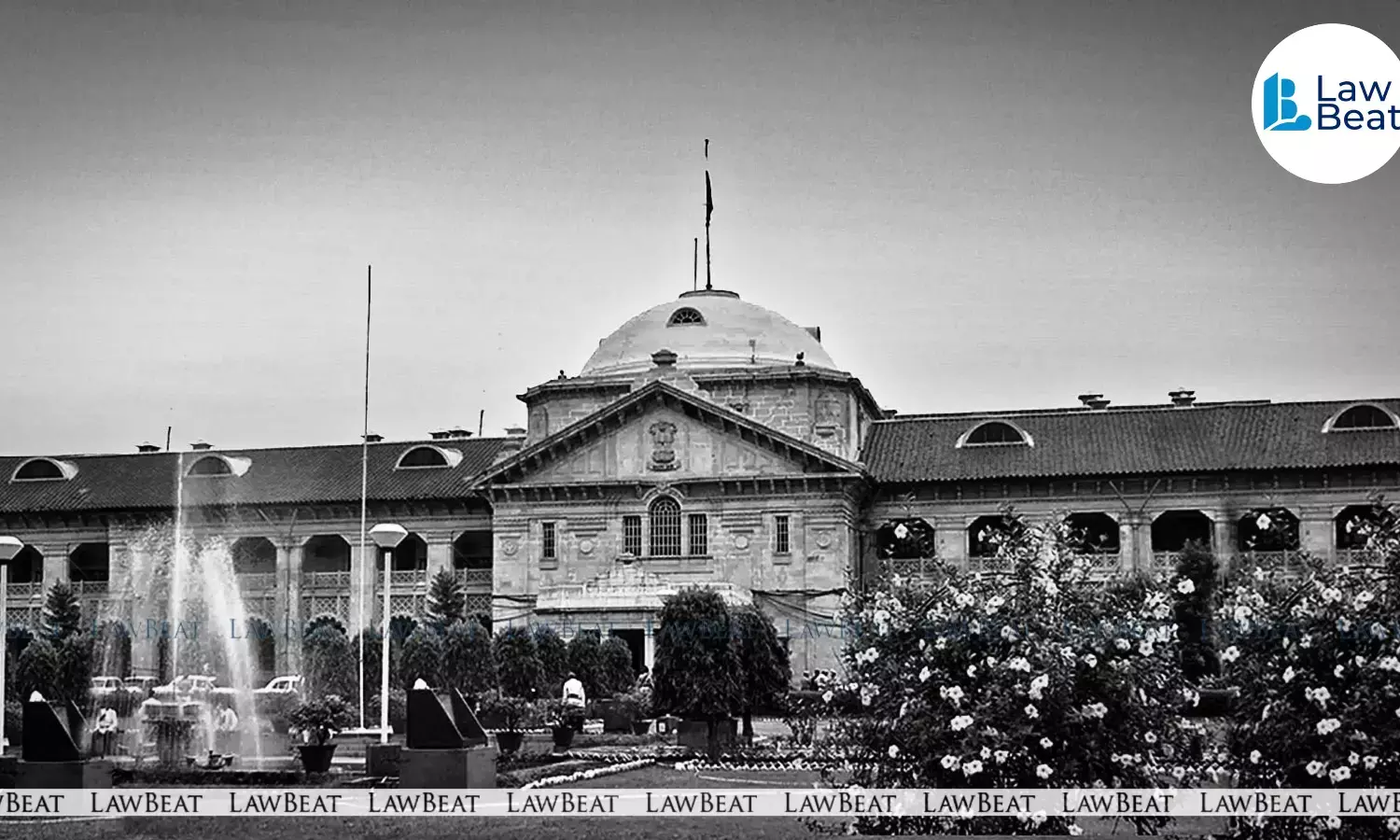
Allahabad High Court denies bail to Bareilly violence accused, says slogan “gustakh-e-nabi ki ek saja, sar tan se juda” incites people for armed rebellion and undermines the Indian legal system
The Allahabad High Court on December 17, 2025 rejected the bail plea of Rihan, accused in a Bareilly violence case linked to a prohibited religious gathering, holding that raising the slogan “gustakh-e-nabi ki ek saja sar tan se juda” amounts to a challenge to the sovereignty and integrity of India and the authority of its legal system.
The bench of Justice Arun Kumar Singh Deshwal declined to release Rihan on bail in a case where the prosecution alleges large-scale violence, injuries to police personnel and damage to public and private property following an unlawful assembly convened despite prohibitory orders being in force in the district.
The case arises from an FIR lodged on May 26, 2025, at Kotwali police station in Bareilly, alleging that the president of the Ittefaq Minnat Council, Maulana Taukir Raza, along with other leaders including Nadeem Khan, had called upon members of the Muslim community to assemble after namaz at the grounds of Islamia Inter College.
The FIR was lodged under Sections-109(1), 109(2), 118(2), 121(1), 189(5), 191(2), 191(3), 195(1), 196(1), 196(2), 223, 310(2), 324(5), 324(6), 61(2), 62 BNS, 7 of the Criminal Law Amendment Act and Section 3/4 of the Prevention of Damage of Public Property Act.
According to the prosecution, information had already been received by the police that such a call had been given, and prohibitory orders under Section 163 of the Bharatiya Nagarik Suraksha Sanhita were in force, banning assembly of more than five persons.
Despite police requests not to proceed with the gathering, a crowd of around 500 persons allegedly assembled in the Biharipur area. The FIR claims that the crowd raised slogans against the State and repeatedly chanted “gustakh-e-nabi ki ek saja sar tan se juda”. When police personnel attempted to stop the procession and enforce the prohibitory orders, the situation allegedly escalated into violence, with the crowd resorting to stone pelting, firing and throwing of petrol bombs. Several policemen were injured, and multiple police and private vehicles were damaged.
Seven persons, including Rihan, were arrested at the spot. Based on their statements and subsequent identification through CCTV footage and independent witnesses, the police named 25 accused and about 1700 unknown persons in the FIR.
Seeking bail, Rihan contended that he had been falsely implicated and was not arrested from the spot as claimed by the police, but from his home. He also argued that he had no prior criminal history and that there was no incriminating material connecting him to the alleged violence.
The State strongly opposed the plea, arguing that the acts attributed to Rihan were not merely law and order issues but offences against the State itself. The Additional Advocate General submitted that the slogan raised by the crowd advocated a form of punishment not recognised by Indian law and reflected a complete disregard for the constitutional and legal framework.
In a detailed order, the high court examined the scheme of offences under the Bharatiya Nyaya Sanhita relating to religion and public order. Court observed that Indian criminal law already provides punishment for deliberate acts intended to outrage religious feelings or promote enmity between communities, and that advocating beheading as punishment amounted to incitement and a direct challenge to the rule of law.
Court further noted that while religious slogans and proclamations are common across faiths, they cross the line into criminality when used to intimidate, incite violence or undermine constitutional authority. It held that the slogan in question was not rooted in religious texts but had been used to provoke and threaten, thereby attracting penal consequences.
"Chanting the slogan 'gustakh-e-nabi ki ek saja sar tan se juda, sar tan se juda', which provides punishment of beheading for disrespecting the Nabi(Prophet) amounts to challenging the sovereignty and integrity of India and also the indian legal system...If a person, instead of respecting the law framed under the Indian Constitution, attempts to challenge the law or promotes or incites people to commit an offence in the garb of providing punishment, (he) should be dealt with strictly," Justice Deshwal observed.
He emphasised that the slogan "gustakh-e-nabi ki ek saja sar tan se juda, sar tan se juda" does not have any trace in the Quran or any other religious text belonging to Muslims, still this slogan is being used widely by several muslim persons without knowing its correct meaning and effect.
Finding sufficient material in the case diary to show that the applicant was part of the unlawful assembly that raised objectionable slogans, assaulted police personnel and caused damage to property, the court concluded that no case for bail was made out. The bail application was accordingly rejected.
Case Title: Rihan vs State of UP
Order Date: December 17, 2025
Bench: Justice Arun Kumar Singh Deshwal