
Section 125 CrPC | Father's Duty To Maintain Child Doesn't End Because Mother Earns: MP High Court
Employed Mother Doesn't Relieve Father Of Duty To Maintain Child: MP High Court
The Madhya Pradesh High Court has ruled that a father's legal obligation to maintain his minor child does not end merely because the child's mother is employed and earning. Upholding an interim maintenance order passed by the Family Court, the Court refused to interfere with the grant of Rs.6,000 per month to a school-going daughter while also affirming the rejection of interim maintenance for the wife, who is a government employee drawing a regular salary.
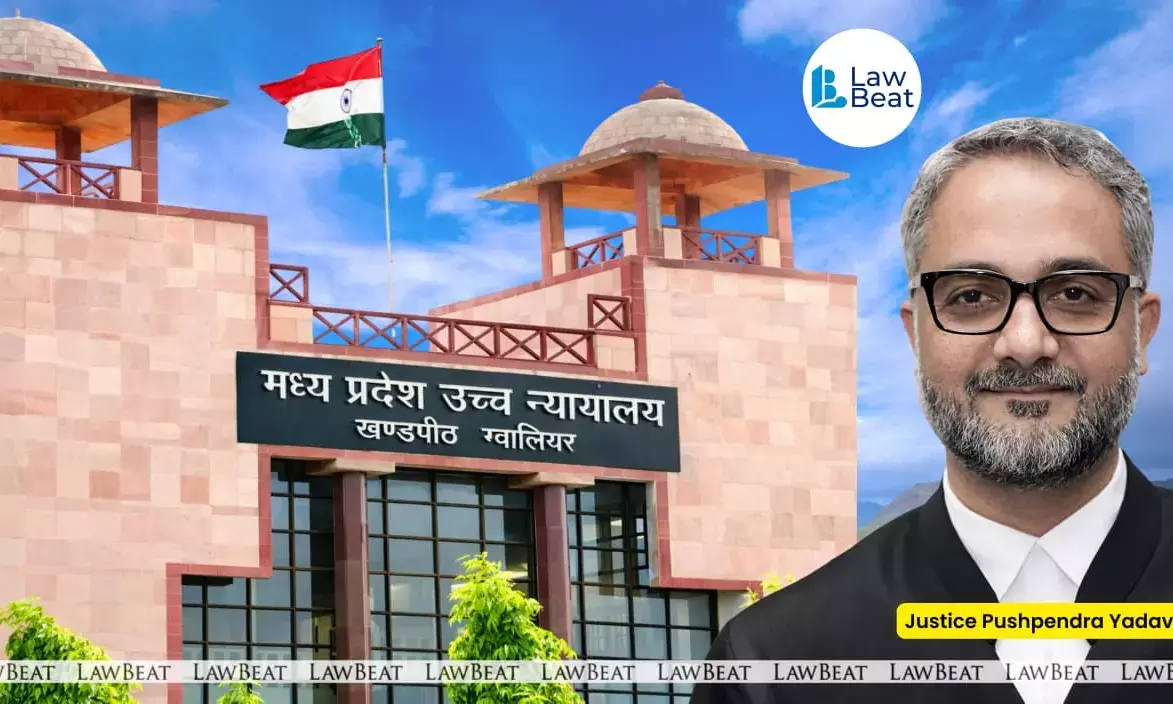
Justice Pushpendra Yadav dismissed separate criminal revisions filed by both the husband and the wife, observing that neither side had made out a case warranting interference at the interim stage. The husband was represented by Advocate G.G. Shivhare, while the wife and the minor daughter were represented by Advocate Hardayesh Kumar Shukla.
The dispute arose from an order passed by the Family Court in Gwalior on April 19, 2024, in proceedings under Section 125 of the Code of Criminal Procedure. The Family Court had rejected the wife's plea for interim maintenance after noting that she worked as a Compounder in the Ayurvedic Department and earned a net monthly salary of Rs.39,368. However, it directed the husband, a retired Army personnel, to pay Rs.6,000 every month towards the maintenance of their school-going daughter.
Challenging the order, the husband argued that the amount awarded to the child was excessive. He submitted that he survives only on his pension, supports his aged parents, and is also repaying a loan for a property purchased in his wife's name. On the other hand, the wife and daughter contended that Rs.6,000 was insufficient to meet educational and daily expenses. They also argued that the Family Court wrongly denied interim maintenance to the wife merely because she was employed.
Examining the rival submissions, the High Court observed that interim maintenance is only a temporary arrangement intended to ensure that a claimant is not left without financial support while the main proceedings remain pending. It emphasised that at this stage, courts are expected to form only a prima facie opinion based on the available material and should avoid making findings that may influence the final trial.
Refusing to interfere with the Family Court's assessment, the High Court noted that the lower court had carefully considered the financial position of both parties before reaching its conclusion. It observed that the wife had disclosed her income and expenditure, including insurance payments and deposits made under the Sukanya Samriddhi Scheme for the benefit of the daughter. The husband's pension and his claimed responsibility towards his parents were also taken into account.
Stressing the father's continuing responsibility, the Court observed, "The responsibility of father does not distinguish automatically because the mother with whom the child resides is also earning some income." It clarified that while the mother's income is a relevant factor in determining the amount payable, it does not erase the father's independent legal obligation to maintain his child.
The Court further clarified that the Family Court had not held that employment by itself disqualifies a wife from claiming maintenance. Instead, it had considered her actual earnings and comparative financial capacity while refusing interim relief. Since disputed issues regarding property, liabilities and conduct require evidence, the High Court said such questions must be examined during the final hearing.
Finding no illegality or perversity in the Family Court's order, the High Court dismissed both revisions and directed the Family Court to conclude the maintenance proceedings within six months, noting that the dispute has remained pending since 2019.
Case Title: Shri Vikas Bhadoriya v. Smt. Jyoti Bhadoriya and Others within connected matter
Date of Order: July 14, 2026
Bench: Justice Pushpendra Yadav