
Section 125 CrPC | Prolonged Incarceration For Maintenance Arrears Unsustainable, Says MP High Court
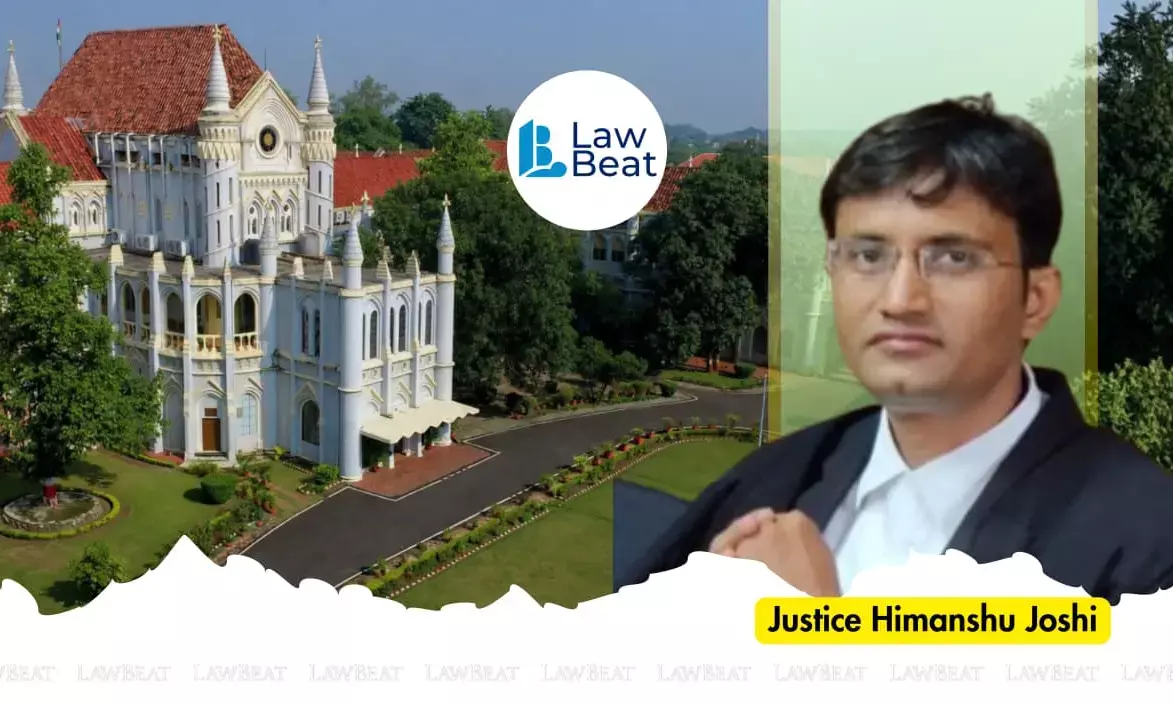
Maintenance Proceedings Cannot Lead to Endless Detention, Says MP High Court
The Madhya Pradesh High Court has held that prolonged imprisonment in maintenance execution proceedings cannot be allowed to become “indefinite punitive confinement”, while ordering the release of a man who had spent more than five months in jail over unpaid maintenance arrears owed to his wife and children.
Justice Himanshu Joshi passed the order in a petition filed by Laxmikant Soni, who challenged orders of the Judicial Magistrate First Class, Deori, and the revisional court refusing to release him from custody in proceedings arising out of a maintenance order passed under Section 125 of the Code of Criminal Procedure.
The Court observed that imprisonment in maintenance recovery proceedings is intended only as a coercive mechanism to secure compliance and not as a punishment similar to criminal incarceration. “Once detention ceases to operate as an effective coercive mechanism and instead assumes the nature of indefinite punitive confinement, the same travels beyond the permissible statutory framework,” the Court said.
Appearing for the petitioner, Advocate Dilip Kumar Shrivastav argued that Soni had been continuously jailed since October 30, 2025, in a single execution proceeding and that the detention had effectively become punitive rather than coercive. He submitted that the petitioner was a labourer and the sole earning member of his family and that continued incarceration had deprived him of any opportunity to earn and clear the outstanding dues.
Counsel further argued that the petitioner had already deposited Rs.20,000 towards maintenance liabilities despite financial hardship and had also suffered serious medical complications during custody. The Court was informed that he had reportedly been admitted to ICU or MICU facilities during his incarceration.
Opposing the plea, Advocate Rajendra Yadav, appearing for the wife and children, argued that the petitioner had persistently defaulted in payment despite repeated opportunities and that substantial arrears continued to remain unpaid. It was contended that the amount deposited by the petitioner was insignificant compared to the total dues and could not absolve him of liability towards his wife and minor children.
The High Court noted that maintenance proceedings are social welfare measures intended to prevent “vagrancy, destitution and economic abandonment” of wives and children. However, it stressed that enforcement mechanisms must operate within constitutional limits and principles of fairness and proportionality.
The Court observed that Soni had remained incarcerated for more than five months in the same execution proceedings and that both courts below failed to sufficiently examine whether such prolonged detention was legally permissible.
Justice Joshi noted that continued imprisonment of an indigent labourer could ultimately defeat the purpose of maintenance law itself because a person deprived of livelihood opportunities becomes incapable of generating income to satisfy future liabilities.
The Court also took note of the petitioner’s medical condition and held that humanitarian considerations flowing from Article 21 of the Constitution required proper balancing while deciding applications for release from custody in maintenance execution proceedings.
At the same time, the Court clarified that maintenance was “not a matter of charity but a legal entitlement flowing from statutory obligation” and said the wife and children’s rights could not be ignored.
Allowing the petition partly, the High Court quashed the orders of the JMFC and the revisional court and directed that Soni be released from custody if he was not required in any other case. The Court directed him to furnish a personal bond of Rs.50,000 with one solvent surety and deposit Rs.25,000 before the executing court within thirty days. It further directed him to continue paying future maintenance regularly and clarified that the executing court would remain free to proceed in accordance with law in case of any future default.
The Court also clarified that it had not expressed any opinion on the merits of the original maintenance proceedings or the ex parte maintenance order. All remedies available to both parties were kept open, while the executing court was directed to ensure disbursal of deposited amounts to the wife and children.
Case Title: Laxmikant Soni v. Smt Radha and others
Date of Order: May 15, 2026
Bench: Justice Himanshu Joshi