
Tehri Royal Family Property Dispute Reaches Delhi HC; Plaintiffs Seek Partition, Defendants Raise Primogeniture, Article 363
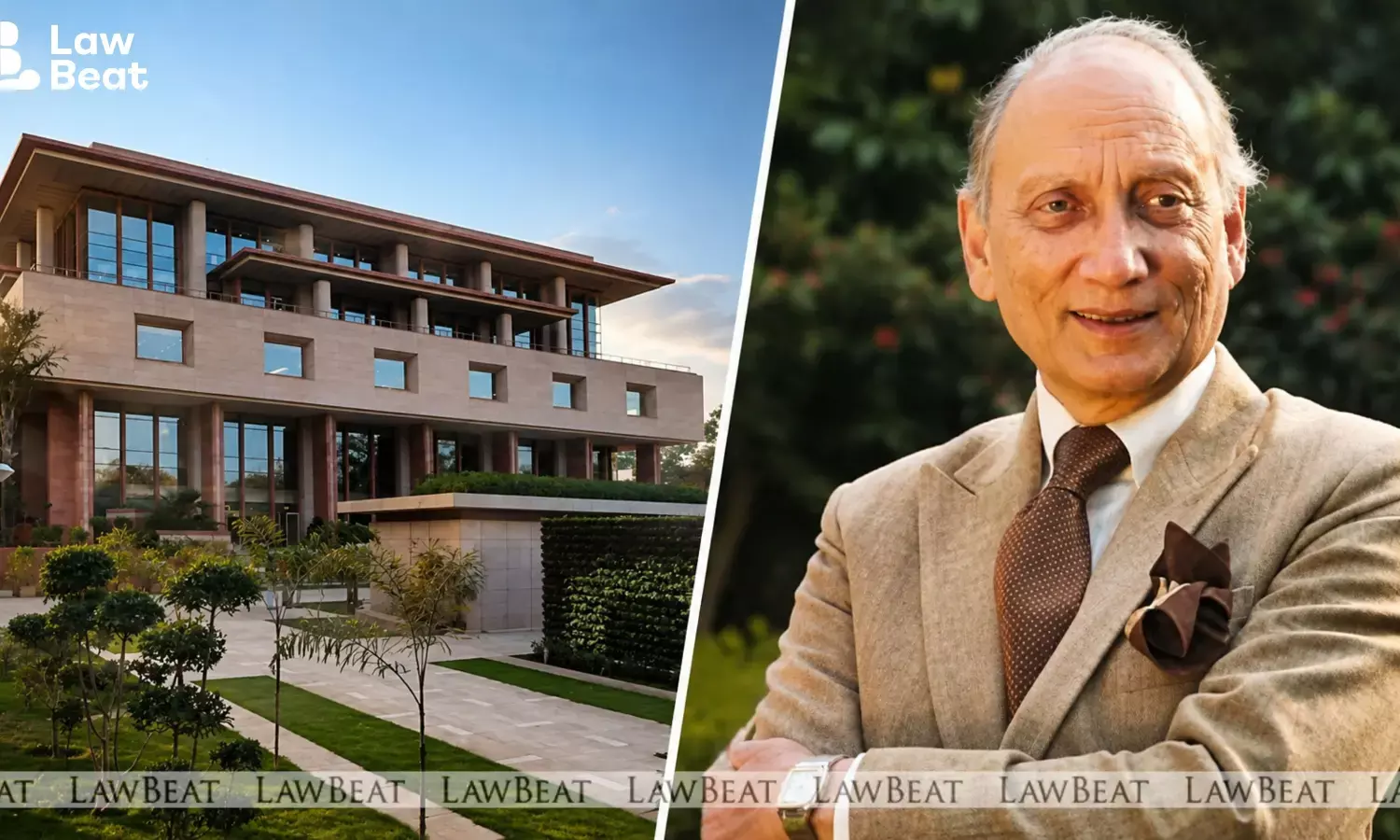
Plaintiffs seek partition of properties claimed through the Tehri royal family; defendants raise primogeniture, 1949 merger arrangement and Article 363, while HC directs filing of Special Power of Attorney
A property dispute involving members of the erstwhile Tehri royal family has reached the Delhi High Court, with the plaintiffs, including Prakriti Panwar, seeking partition of the properties, while the defendants, including Maharaja Manujendra Shah, have raised issues concerning primogeniture, the 1949 merger arrangement and Article 363 of the Constitution.
The matter was heard by Justice Sachin Datta on August 24. During the hearing, the plaintiffs' counsel submitted that the properties in question had devolved upon family members in their respective shares and sought their partition.
While the Court heard the parties briefly on the substantive issues involved in the suit, Justice Datta directed the plaintiffs to place on record, within one week, the Special Power of Attorney (SPA) on the basis of which the suit had been instituted.
The matter has been listed for August 31, 2026.
Plaintiffs seek partition of properties
During the hearing, counsel for the plaintiffs took the Court through the family tree to explain the relationship between the parties and their claimed succession from the erstwhile Tehri royal family.
The Court was taken through the family tree, showing Maharaja Narendra Shah's wives and the descendants of their respective branches.The lineage of the five plaintiffs was explained and it was submitted that they represented descendants from two of the branches, while the third branch was not represented by them.
The Court also sought clarification regarding the relationship between the plaintiffs and the descendants shown in the family tree. The plaintiffs' counsel submitted that the properties involved in the suit were properties that had devolved upon the family members in specified shares.
When the Court asked what relief the plaintiffs were seeking, counsel stated that they were seeking partition of the properties.
The defendants' counsel, while opposing the plaintiffs' position, pointed out that the claim concerned succession from the estate of former ruler Maharaja Narendra Shah, who died in 1950. The Court also noted the considerable lapse of time since his death.
Defendants raise rule of primogeniture
The defendants' counsel argued that the plaintiffs' claim had to be examined in light of the rule of primogeniture, under which succession in a royal family traditionally follows the senior or designated heir, rather than being divided equally among all descendants.
Counsel submitted that Maharaja Narendra Shah had abdicated in favour of his son in 1946 and argued that the subsequent accession and merger arrangements were relevant to determining rights in the disputed properties.
The hearing therefore brought into focus whether the plaintiffs could claim shares in the properties notwithstanding the historical succession arrangement. The Court, however, did not adjudicate the issue of primogeniture at this stage.
1949 merger arrangement at centre of property dispute
A substantial part of the defendants' submissions concerned the Instrument of Accession and the 1949 Merger Agreement. The defendants' counsel submitted that, following the merger of the erstwhile Tehri State, its properties were dealt with under the applicable arrangement, with some properties going to the Government of India and others going to the Maharaja under the treaty.
The plaintiffs disputed the defendants' characterization and maintained that the treaty treated the properties in question as the Maharaja's personal properties.
The defendants further pointed out that paragraph 22 of the plaint itself referred to the Instrument of Accession, Merger Agreement and subsequent inventory of private properties.
Counsel for the defendants argued that those documents should first be produced before the Court, submitting that if they did not support the plaintiffs' claim, the suit could lack a cause of action. The Court directed that the relevant documents be produced.
Article 363 invoked by defendants
The defendants' counsel also asked the Court to consider Article 363 of the Constitution, which contains a bar on the jurisdiction of courts in certain disputes arising out of treaties, agreements and covenants entered into with former rulers.
The defendants invoked the provision in the context of the plaintiffs' own reference to the historical accession and merger documents in the plaint.
The Court read out the provision concerning the bar on judicial interference in disputes arising from certain treaties.
The plaintiffs' counsel responded that the suit was not questioning the treaty itself. The Court did not decide the applicability of Article 363 during the hearing, instead indicating that the defendants could move an appropriate application and that the relevant documents would have to be examined.
Defendants raise concern over lis pendens
The defendants also raised an apprehension regarding the doctrine of lis pendens, pointing out that another related proceeding was already pending.
Their concern was that the continuation of the present suit could have consequences for the property while the other litigation remained pending.
The Court indicated that the defendants could move an appropriate application on the issue and said that the matter would be taken up along with the other proceeding.
Plaintiffs directed to file Special Power of Attorney
The issue concerning the Special Power of Attorney arose after the Court was informed that the plaintiffs were residing outside India.
The Court questioned through whom the suit had been instituted and sought the requisite authority. When counsel explained that the plaintiffs were residing overseas, the Court made clear that their residence outside India did not dispense with the requirement of an appropriate power of attorney.
During the hearing, the Court observed that it would not entertain a suit filed on behalf of persons without a power of attorney.
The written order records that the plaintiffs had sought exemption from filing the duly executed SPA. Justice Sachin Datta directed them to place on record the Special Power of Attorney on the basis of which the suit had been instituted within one week.
Case title: Prakriti Panwar and Ors. v. Maharaja Manujendra Shah & Ors.
Bench: Justice Sachin Datta
Hearing Date: August 24, 2026
Next Story