
Termination During Probation Not Punitive If Based on Unsuitability: Patna HC
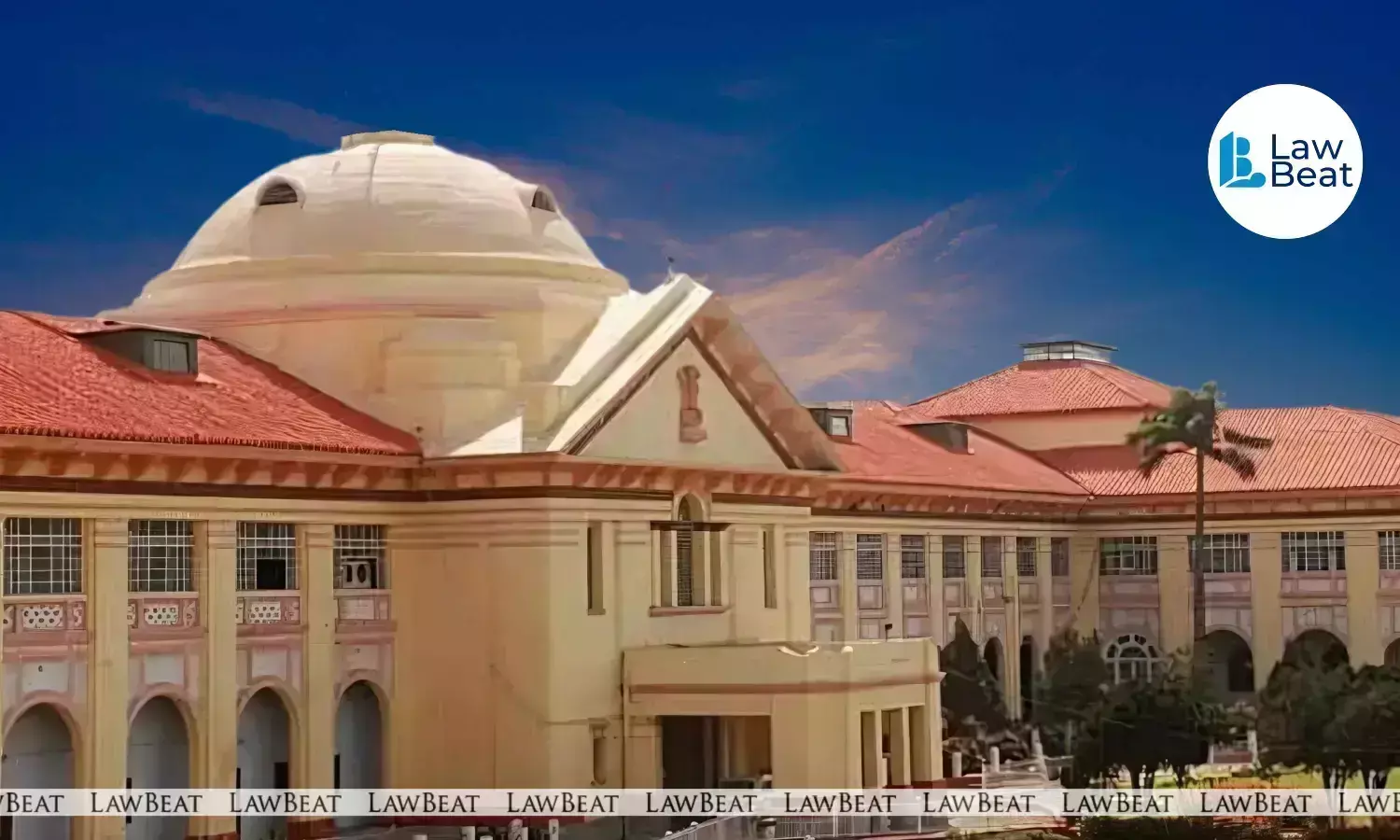
Patna High Court holds that termination of a probationary IRS officer without inquiry is valid if the order is non-stigmatic and based on unsuitability.
The Patna High Court has upheld the termination of a probationary Indian Revenue Service officer, holding that a probationer has no indefeasible right to continue in service and that termination during the period of probation, if found unsuitable, does not require a full-fledged departmental inquiry or prior notice, provided the order is not punitive or stigmatic in nature.
A division bench of Justice Mohit Kumar Shah and Justice Alok Kumar Pandey dismissed the writ petitions challenging the Central Administrative Tribunal’s order and affirmed the termination of the petitioner’s services under Rule 5(1) of the Central Civil Services (Temporary Service) Rules, 1965.
The Court held that the petitioner continued to be a probationer at the time of termination and that the order of discharge was simpliciter, passed in accordance with applicable service rules, without attracting the safeguards of Article 311 of the Constitution.
The case arose from the petitioner’s appointment to the Indian Revenue Service (Customs and Central Excise), Group ‘A’, pursuant to the Civil Services Examination, 2015.
As per the terms of appointment, the petitioner was placed on probation for two years, during which he was required to undergo training and pass departmental examinations.
Although the petitioner completed training and cleared the examinations, he was later implicated in a corruption case registered by the Central Bureau of Investigation in June 2019, alleging acceptance of a bribe. He was arrested and remained in custody for more than 48 hours, leading to deemed suspension.
Following his release on bail, the petitioner sought revocation of suspension; however, the suspension was extended periodically. Subsequently, in February 2021, the petitioner’s services were terminated under Rule 5(1) of the 1965 Rules.
The petitioner challenged the termination before the Central Administrative Tribunal, contending that he had successfully completed probation, that the termination was stigmatic and punitive, and that no inquiry was conducted despite allegations of misconduct forming the basis of the decision.
The Tribunal dismissed the applications, leading to the present writ petitions.
Before the High Court, the petitioner argued that he had fulfilled all conditions of probation and was deemed to have been confirmed in service. It was further contended that the termination order was founded on allegations of misconduct, including unauthorized absence and involvement in a bribery case, thereby rendering it punitive and violative of principles of natural justice.
The petitioner also submitted that departmental proceedings were contemplated and therefore termination without inquiry was impermissible.
The respondents, on the other hand, contended that the petitioner had not been confirmed in service and continued to be a probationer.
It was submitted that the petitioner had failed to complete the mandatory furbisher course and had also been found involved in a corruption case, leading the competent authority to form an opinion that he was not fit for permanent appointment. It was further argued that a probationer can be discharged without inquiry and that the termination order was not punitive in nature.
The High Court examined the terms of appointment, the Indian Revenue Service (Customs and Central Excise) Group ‘A’ Rules, 2016, and the Central Civil Services (Temporary Service) Rules, 1965, along with the Department of Personnel and Training’s guidelines on probation.
The Court held that the petitioner’s probation had not been deemed to be completed, as the termination order was issued prior to the expiry of the extended period within which confirmation or discharge could take place.
The Court further held that both the 1965 Rules and the 2016 Rules permit termination of a probationer if the competent authority forms an opinion that the officer is not fit for permanent appointment. It clarified that such termination does not require issuance of notice or conduct of a departmental inquiry, unless the order is punitive or stigmatic in nature.
On the nature of the termination, the Court observed that the impugned order was innocuously worded and did not record any findings of guilt or misconduct.
It held that the material regarding the petitioner’s conduct, including his arrest in a corruption case and failure to complete training, could legitimately be considered by the authority in assessing suitability during probation. The Court reiterated that consideration of such material does not automatically render the termination punitive.
The Court also rejected the argument that the termination was stigmatic, noting that no adverse findings were recorded in the termination order itself. It emphasised that the form and substance of the order must be examined, and unless the order is founded on misconduct or casts stigma affecting future prospects, it cannot be treated as punitive.
With respect to the challenge to suspension, the Court held that the extension of suspension was in accordance with Rule 10(6) of the Central Civil Services (Classification, Control and Appeal) Rules, 1965, and was based on recommendations of the review committee. The Court found no illegality in the continuation of suspension, particularly in light of the pending criminal proceedings.
Concluding that the termination was in accordance with statutory provisions and did not violate principles of natural justice, the High Court held that the petitioner had no right to claim continuation in service and that the writ petitions were devoid of merit.
Case Title: Chandan Prakash Pandey v. Union of India & Ors.
Bench: Justice Mohit Kumar Shah and Justice Alok Kumar Pandey
Date of Judgment: 03.04.2026