
Tibetan Descent No Bar To Citizenship, Says Delhi High Court
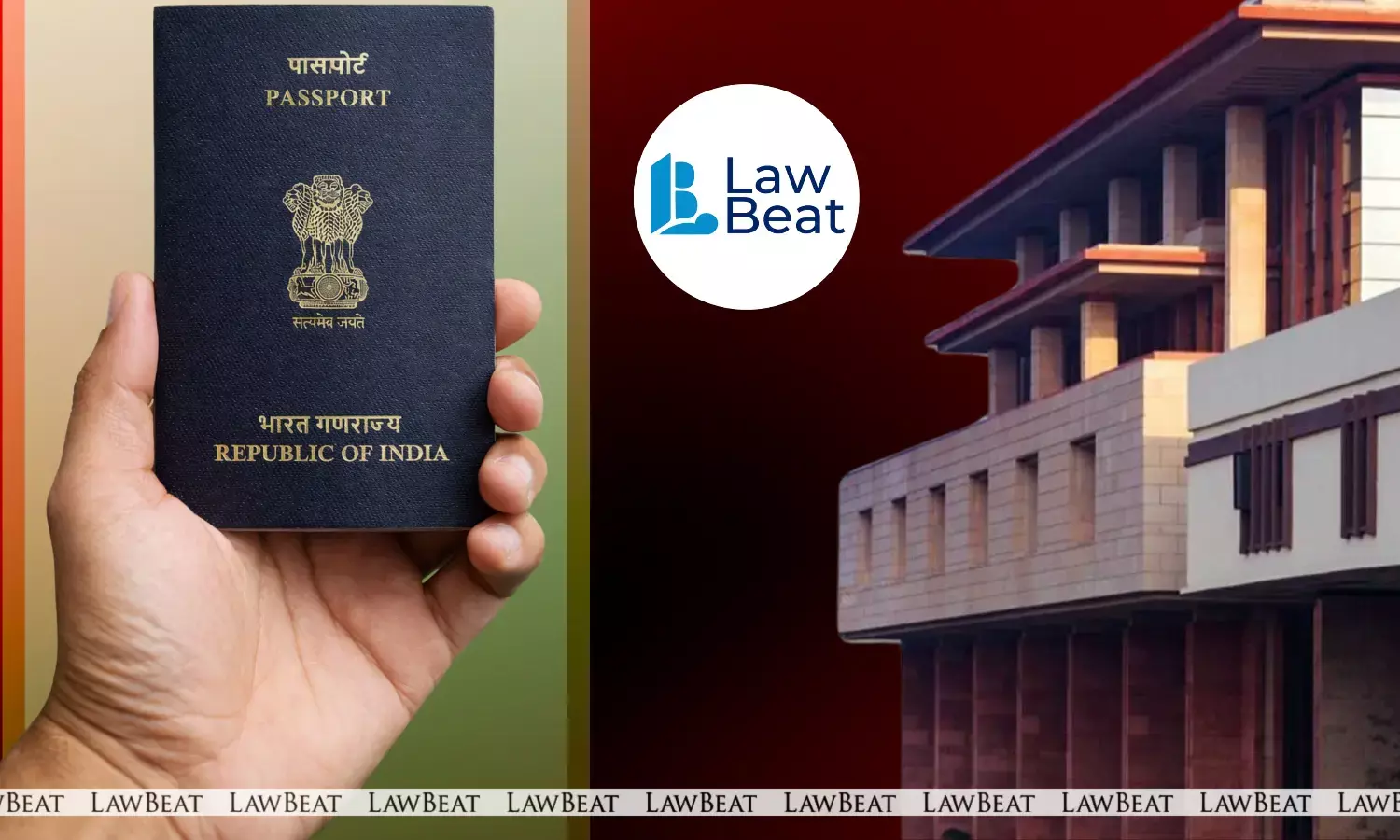
Born in India, Citizen by Law: Delhi High Court Orders Passport for Tibetan Woman
The Delhi High Court has directed the Union of India to issue an Indian passport to a woman of Tibetan descent who was born in India in 1966, holding that she is an Indian citizen by birth under Section 3(1)(a) of the Citizenship Act, 1955, and cannot be denied citizenship or travel documents on the basis of her refugee status.
The court held that executive instructions and administrative practices cannot override the plain language of the statute, which grants citizenship to every person born in India between January 26, 1950 and July 1, 1987, subject only to limited statutory exceptions.
The petition was filed by Yangchen Drakmargyapon, who stated that she was born in Dharamshala, Himachal Pradesh, on May 15, 1966, to Tibetan refugee parents. She migrated to Switzerland in 1997 to join her husband and has since remained there. After the expiry of Swiss travel documents issued to her family, Swiss authorities refused renewal and insisted that she obtain a national passport from her country of origin. While the Swiss authorities treated her as eligible to seek Indian citizenship due to her birth in India, her attempts to secure an Indian passport or identity certificate through the Indian Consulate in Geneva were unsuccessful, leaving her effectively without any valid travel document for several years.
The petitioner approached the High court seeking a writ of mandamus directing the authorities to issue her an Indian passport and to recognise her citizenship by birth. She relied on Section 3(1)(a) of the Citizenship Act and previous decisions of the Delhi High Court holding that Tibetans born in India during the relevant period are Indian citizens by birth. The petitioner was represented by advocates Sanjay Vashishtha, Siddhartha Goswami, Geetanjali Reddy and Aditya Sachdeva.
Opposing the plea, the Union of India argued that Tibetan refugees and their children constitute a separate class governed by special executive orders regulating their entry and stay in India. It was contended that by registering as Tibetan refugees and obtaining identity certificates, such persons had voluntarily renounced any claim to Indian citizenship and could only acquire citizenship through registration or naturalisation. The respondents were represented by Central Government Standing Counsel Mukul Singh, along with advocates Ira Singh and Aryan Dhaka.
Justice Sachin Datta rejected the stand of the Union, holding that the statutory scheme of the Citizenship Act is clear and unambiguous. The court noted that Section 3(1)(a) confers citizenship by birth on every person born in India between January 26, 1950 and July 1, 1987, except where the limited disqualifications under Section 3(2) apply. In the present case, it was undisputed that the petitioner was born in India during the relevant period and did not fall under any statutory exception.
The court relied extensively on earlier judgments, including Namgyal Dolkar v. Government of India and Phuntsok Wangyal v. Ministry of External Affairs, which had conclusively settled the issue. Quoting from Namgyal Dolkar, the court reiterated that “there cannot be waiver of the right to be recognized as an Indian citizen by birth, a right that is expressly conferred by Section 3(1) of the Citizenship Act.” It further observed that describing oneself as Tibetan or holding an identity certificate could not amount to renunciation of citizenship, which can only occur in the manner prescribed under the Act.
The judgment also noted that even the Election Commission of India has clarified that children born in India to Tibetan refugees during the relevant period are to be treated as Indian citizens. The court emphasised that executive communications or inter-ministerial decisions cannot defeat statutory rights, observing that “no decision taken in an inter-ministerial meeting can override a statutory provision.”
Holding that the petitioner is an Indian citizen by birth, the court directed the authorities to recognise her citizenship status and to process her passport application in accordance with law, reinforcing settled constitutional and statutory principles governing citizenship rights in India for all persons.
Case Title: Ms. Yangchen Drakmargyapon v. Union of India through its Secretary, Ministry of External Affairs & Ors.
Date of Judgment: February 2, 2026
Bench: Justice Sachin Datta