
UP Tenancy Law: Rent Authority Cannot Override Central Laws, Allahabad HC Strikes Down Key Provisions
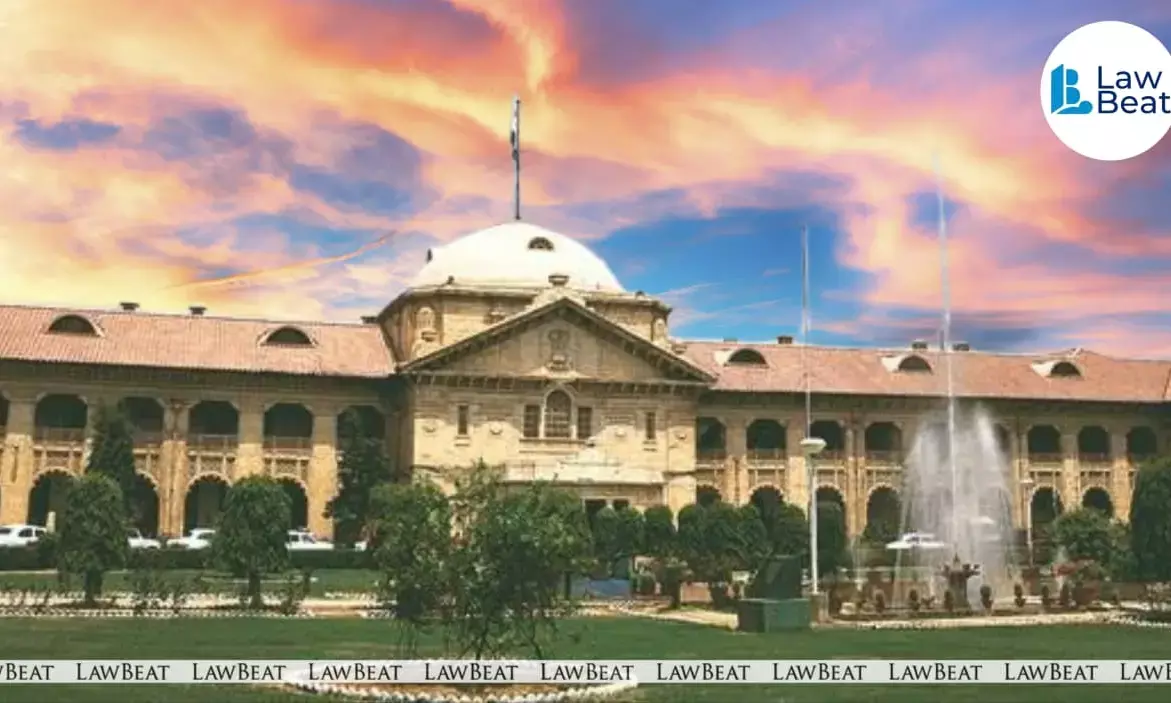
Allahabad HC strikes down key UP Tenancy Law provisions.
For landlords and tenants in Uttar Pradesh, a significant change in the way rent disputes and eviction proceedings are handled will take effect after the Allahabad High Court struck down key provisions of the state's 2021 tenancy law. Court has held that provisions allowing rent revision and determination by a Rent Authority, and provisions creating a special mechanism for rent and eviction disputes, could not override existing central laws without Presidential assent.
A division bench of Justices Saumitra Dayal Singh and Swarupama Chaturvedi, in a judgment delivered August 21, allowed a batch of 16 petitions challenging the U.P. Regulation of Urban Premises Tenancy Act, 2021. Court declared Sections 8, 9, 10, 38 and 42 of the Act ultra vires from the date of the judgment.
Why did the Allahabad HC strike down the UP tenancy law provisions?
The central issue before the court was whether the Uttar Pradesh legislature could enact the 2021 tenancy law without obtaining Presidential assent when the law operated in a field already occupied by central legislation.
The petitioners argued that the Act conflicted with the Transfer of Property Act, 1882, which governs leases and the rights and liabilities of lessors and lessees, as well as the Provincial Small Causes Court Act and the U.P. Civil Laws (Amendment) Act, 1972 governing the procedure for such disputes.
The high court accepted the substance of this challenge.
It held that laws concerning the relationship between landlords and tenants in respect of buildings fall within Entry 6 of the Concurrent List, dealing with transfer of property other than agricultural land, and not merely under Entry 18 of the State List.
The bench relied on the Supreme Court's Constitution Bench ruling in Indu Bhushan Bose, noting that a later Supreme Court judgment in Rajendra Diwan did not actually decide the same question and therefore did not conflict with Indu Bhushan Bose.
What was wrong with Sections 8, 9 and 10 on rent?
The 2021 Act allowed rent to be agreed between the parties, revised under Section 9 or determined by the Rent Authority under Section 10. Section 10 further permitted the Authority to determine revised rent in a dispute and be guided by prevailing market rent in surrounding areas.
The high court found this scheme inconsistent with the TPA.
It observed that under the TPA, there was "absolutely no provision" permitting a lessor to enhance lease rent outside the terms agreed between the parties. Court said the 2021 Act created "very different rights and liabilities" by permitting statutory revision or determination of rent.
Court also found that the Act introduced statutory grounds for eviction beyond those contemplated by the TPA. These included eviction for non-payment of rent, misuse, repairs or reconstruction, certain structural alterations, subletting and the landlord's own occupation, among other grounds.
What happens to the Rent Authority and eviction proceedings?
Court held that the 2021 Act's creation of a special forum for deciding rent and eviction disputes was also incompatible with the existing procedural law.
"The procedural repugnancy is even more pronounced," the bench said, holding that the existing statutory scheme did not provide room for a Rent Authority to adjudicate disputes relating to rent and eviction in the manner contemplated by the 2021 Act.
A crucial problem was Section 42, which gave the 2021 Act overriding effect over inconsistent state laws. The high court said such an overriding effect, where the legislation was repugnant to Parliamentary laws operating in the Concurrent List, could be achieved only through Presidential assent under Article 254(2). No such assent had been obtained for the 2021 Act.
Court therefore declared Sections 8, 9 and 10, as well as Sections 38 and 42, ultra vires. It also quashed the individual orders challenged in the batch.
Importantly, however, the judgment does not unsettle every action taken under the 2021 Act. Proceedings already concluded without any challenge to the validity of the provisions, including rent agreements and rent revisions or determinations, have been protected.
Court also made clear that striking down the provisions would not create a legal vacuum. Since Section 46 of the 2021 Act had repealed the earlier 1972 rent law, that repealed law would "spring back to life" to the extent necessary, the bench held.
Case Title: Inder Bhushan Sawhney vs. Kanchan Kumari Jain (Dead) and 2 Others
Judgment Date: August 21, 2026
Bench: Justices Saumitra Dayal Singh and Swarupama Chaturvedi