
WhatsApp Messages Sent Before Death Are "Dying Declaration," Says MP High Court, Rejects Bail In Abetment Case
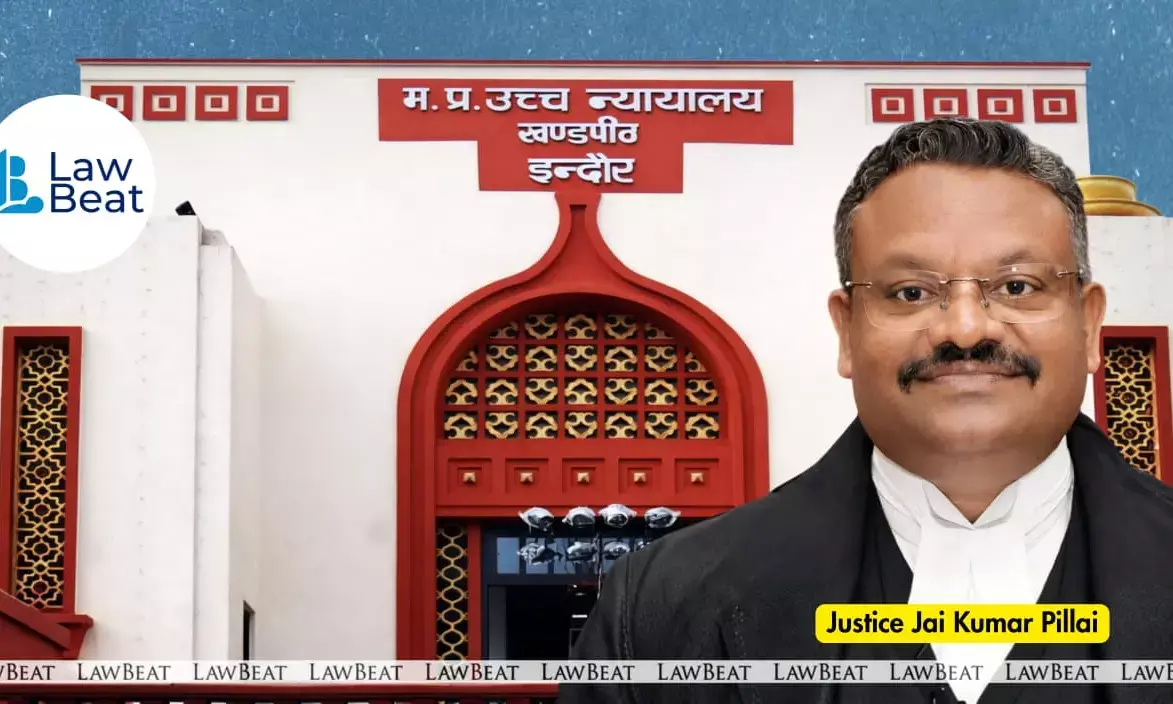
MP High Court Refuses Bail, Calls Deceased's Final WhatsApp Messages A "Crucial Prima Facie Dying Declaration"
The Madhya Pradesh High Court has refused to grant bail to three men accused of abetting the suicide of a 25-year-old Bhil man from Dhar district, holding that WhatsApp messages the deceased sent to his father amounted to a "crucial prima facie dying declaration" naming the accused directly.
Justice Jai Kumar Pillai, sitting at the Indore bench, dismissed the criminal appeal filed by Dharmendra and two others, who had approached the High Court under Section 14(A) of the Scheduled Castes and the Scheduled Tribes (Prevention of Atrocities) Act, 1989, after a Special Judge in Dhar rejected their bail plea on 30 June 2026. The men are facing prosecution under Section 108 of the Bharatiya Nyaya Sanhita (corresponding to Section 306 of IPC), which deals with abetment of suicide, and Section 3(2)(v) of the SC/ST Act.
According to the prosecution, the deceased, Santosh alias Lakhan, a resident of village Jharipada, was found dead, and an Assistant Sub-Inspector of Badnawar police station took up the matter for inquest proceedings. The post-mortem, conducted by a panel of doctors, recorded the cause of death as "Asphyxia brought out as the result of Postmortem Hunger."
During investigation, statements of the deceased's father, Bhuralal Ausari, and brother, Bhima Ausari, were recorded. Both stated that the appellants, Karan, Dharmendra and Umesh, had been threatening, abusing and insulting the deceased over an old dispute concerning agricultural land, and had allegedly driven him to end his life through repeated death threats.
A Panchnama prepared while examining the deceased's mobile phone revealed that on 7 May 2026, he had sent three WhatsApp messages to his father's number. The messages read: "Papa maryu 10.52 PM, karna hai Umesh Darmendr, 10.53 PM, 3no, 10.53 PM." Relying on this material along with the post-mortem findings and witness statements, police registered a case against the three men.
Appearing for the appellants, advocate Kaushal Sisodiya argued that his clients had no connection with the offence and had been falsely implicated because of enmity. He pointed out that the father's own statement made no mention of any WhatsApp exchange, which made the prosecution's version doubtful. He also flagged the non-submission of the mobile phone's CAF form, and argued that the Panchnama recording the phone's contents actually showed friendly relations between Umesh and the deceased, with no reference to any land dispute.
The appellants also submitted that they were permanent residents of Dhar district with movable and immovable property, posed no flight risk, and were willing to cooperate with the trial and abide by any conditions the Court imposed. It was further argued that the absence of land dispute documents weakened the prosecution's case, and that the complainants were misusing their caste identity to falsely implicate the appellants.
Advocate Ambuj Patel, representing the State, opposed the bail plea, relying on the material collected during investigation and the seriousness of the allegations levelled against the appellants. Advocate Pankaj Vishwakarma separately appeared for respondent No. 2, father of deceased.
The High Court was not persuaded by the appellants' arguments. It observed that at the bail stage, a court "is not required to conduct a mini-trial or weigh the evidence meticulously," and that such defences "are matters of trial and must be tested during the course of evidence."
Examining the case diary, the Court held that the WhatsApp messages served as "a crucial prima facie dying declaration explicitly naming the appellants," and that this, combined with the corroborating statements of the deceased's father and brother about continuous harassment over the land dispute, made out "a strong prima facie case" against the three men.
The Court concluded that the grounds raised by the appellants did not "inspire sufficient confidence" to warrant bail at this stage and upheld the Special Court's order rejecting it. The criminal appeal was accordingly dismissed, and the prayer for bail stood rejected.
Case Title: Dharmendra vs. The State of Madhya Pradesh
Date of Order: July 27, 2026
Bench: Justice Jai Kumar Pillai