
Wife Hid Reproductive Health Issue Before Marriage; Chhattisgarh HC Upholds Divorce Decree
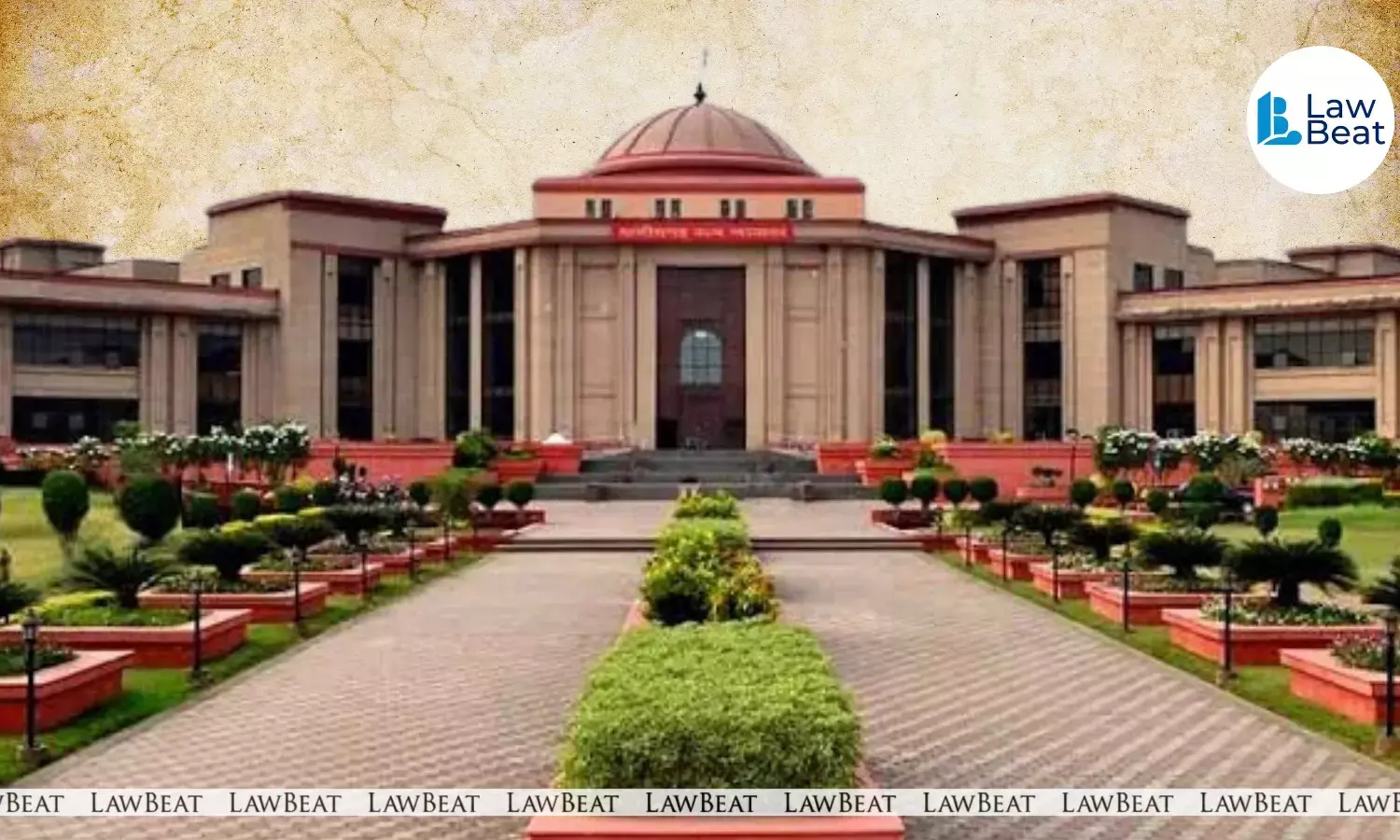
Chhattisgarh High Court upholds divorce decree over concealment of reproductive health issue by wife
The Chhattisgarh High Court recently upheld a decree of divorce granted to a husband after finding that the concealment of a serious reproductive health issue prior to marriage, and the mental distress flowing from its later discovery, constituted cruelty under matrimonial law.
Court affirmed the Family Court’s conclusion that the husband could not reasonably be expected to continue the marriage once it emerged that the wife had allegedly withheld material information affecting childbearing before the wedding.
The case arose from a marriage solemnised on June 5, 2015, between the couple according to Hindu rites at Khairagarh in Chhattisgarh. Within months of the marriage, disputes surfaced, culminating in the husband approaching the Family Court at Kawardha seeking dissolution of marriage under Section 13(1)(i-a) of the Hindu Marriage Act, 1955, on the ground of cruelty.
Before the Family Court, the husband’s principal case was that the wife had concealed, prior to marriage, that she had not been having menstrual cycles for several years and was facing serious difficulty in conceiving. According to him, this fact came to light only after medical consultations following the marriage. He alleged that when confronted, the wife admitted that she had deliberately not disclosed the issue earlier as the marriage may not have taken place otherwise. The husband contended that this concealment struck at the very foundation of the marital relationship and caused him sustained mental agony.
The husband further alleged that disputes over childbearing escalated into frequent quarrels, and that the wife misbehaved with his parents and other family members. He claimed that despite efforts to save the marriage, the relationship deteriorated irretrievably. After the death of his father in September 2016, the wife left the matrimonial home and did not return, resulting in complete cessation of cohabitation.
The wife contested the allegations, denying that she had concealed any medical condition. She maintained that any reproductive issue was temporary and curable, that she was undergoing treatment, and that doctors had advised medication and yoga. She also alleged that she was subjected to cruelty in her matrimonial home and was repeatedly taunted as “barren” by her husband and in-laws. According to her, the divorce petition was filed on false and exaggerated grounds.
After framing four issues and recording the evidence of both parties, the Family Court granted a decree of divorce in March 2022. The court found that the husband had established cruelty, placing emphasis on the concealment of a material fact prior to marriage and the mental suffering caused thereafter.
Aggrieved, the wife challenged the decree before the Chhattisgarh High Court, arguing that the Family Court had misread the medical evidence and that no doctor had been examined to conclusively establish permanent incapacity to conceive. She also contended that infertility or difficulty in conceiving could not, by itself, constitute cruelty.
A division bench of Justice Rajani Dubey and Justice Amitendra Kishore Prasad dismissed the appeal, holding that the Family Court had correctly appreciated the oral and documentary evidence on record. The High Court clarified that the finding of cruelty was not based on infertility alone, but on the overall conduct of the wife, particularly the alleged concealment of a material fact before marriage and the mental distress it caused to the husband. The bench found no perversity or illegality in the trial court’s conclusion warranting interference.
While upholding the divorce, the High Court also addressed the issue of permanent alimony. Considering the socio-economic status of the parties and relying on Supreme Court guidance, court directed the husband to pay Rs. 5 lakh to the wife as a one-time permanent alimony, covering all present and future claims.
Case Title: xxx vs yyy
Judgment Date: December 12, 2025
Bench: Justice Rajani Dubey and Justice Amitendra Kishore Prasad