
Woman Above 18 Can Choose Her Partner, MP High Court Orders Protection For Live-In Couple
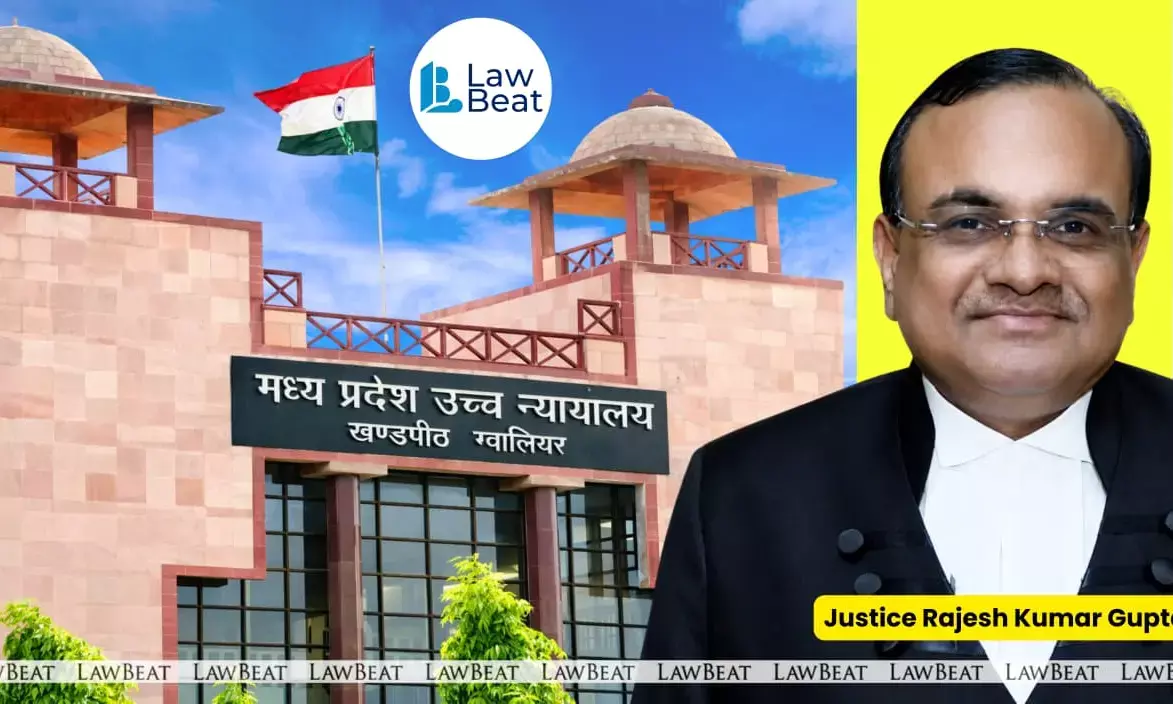
MP High Court Grants Protection to Live-In Couple, Says Major Woman’s Choice Must Be Protected
The Madhya Pradesh High Court has directed police authorities in Indore to provide protection to a live-in couple who approached the court alleging threats and apprehending harm from the woman’s family due to their relationship. The court held that since both individuals are majors, they are entitled to live together of their own free will and their choice deserves protection from external forces.
Justice Rajesh Kumar Gupta passed the order while allowing a writ petition filed by Ridham Verma and another, aged 20 and 26 years respectively. The couple sought directions to the police authorities to provide them security and protection against the woman’s family members and their associates.
According to the petition, the two adults were residing together despite opposition from their parents. They expressed apprehension that the family of petitioner No.1 could take coercive steps against them and sought intervention from the High Court to ensure their safety. The petitioners also requested protection against the registration of any false criminal case against petitioner No.2.
Appearing for the petitioners, Advocate Rakesh Kumar Sharma relied on the Supreme Court’s decision in Nandakumar v. State of Kerala, reported in (2018) 16 SCC 602. He argued that even if two persons are not legally competent to marry, they still possess the right to live together. It was submitted that the petitioners, being adults, were entitled to protection against any form of violence or harassment from family members or other persons.
The State, represented by Government Advocate Anshul Rajpurohit, opposed the plea. The State argued that the woman was only 20 years old and had not yet attained the age of 21 years, which is the prescribed marriageable age for women under the proposed legislative framework often debated in public discourse. It was contended that granting such protection could have wider social implications and may not be in the larger interest of society.
After hearing both sides, the High Court examined the Supreme Court judgment cited by the petitioners. Referring to paragraph 10 of the decision, the court noted that the apex court had recognised the right of two adults to live together even outside wedlock. The Supreme Court had observed: “Even if they were not competent to enter into wedlock... they have right to live together even outside wedlock.” The judgment had further noted that live-in relationships have found recognition under the Protection of Women from Domestic Violence Act, 2005.
Relying on this precedent, Justice Gupta held that the age of the woman could not be a ground to deny protection since she had already attained majority. The court observed, “Despite the fact that petitioner No.1 is 20 years old only, and has not even completed 21 years, since she is a major, she is entitled to reside as per her own will, and if she so decides, her choice needs to be protected from external forces.”
The court consequently allowed the petition and directed the authorities to provide protection to the couple as required. It also directed the petitioners’ counsel to apprise them of the concerns expressed by the court during the proceedings.
To ensure effective implementation of the order, the court directed that a copy of the judgment be supplied to the office of the Advocate General for communication to the Deputy Commissioner of Police, Zone-1, Indore. The concerned Station House Officer was further directed to share his or her mobile number with the petitioners so that they could immediately seek assistance in the event of any emergency. With these directions, the writ petition was disposed of.
Case Title: Ridham Verma and Others v. The State of Madhya Pradesh and Others
Date of Order: June 3, 2026
Bench: Justice Rajesh Kumar Gupta