
Bail: Supreme Court Invokes Article 32 to Free Man Jailed for 9 Years Awaiting Trial
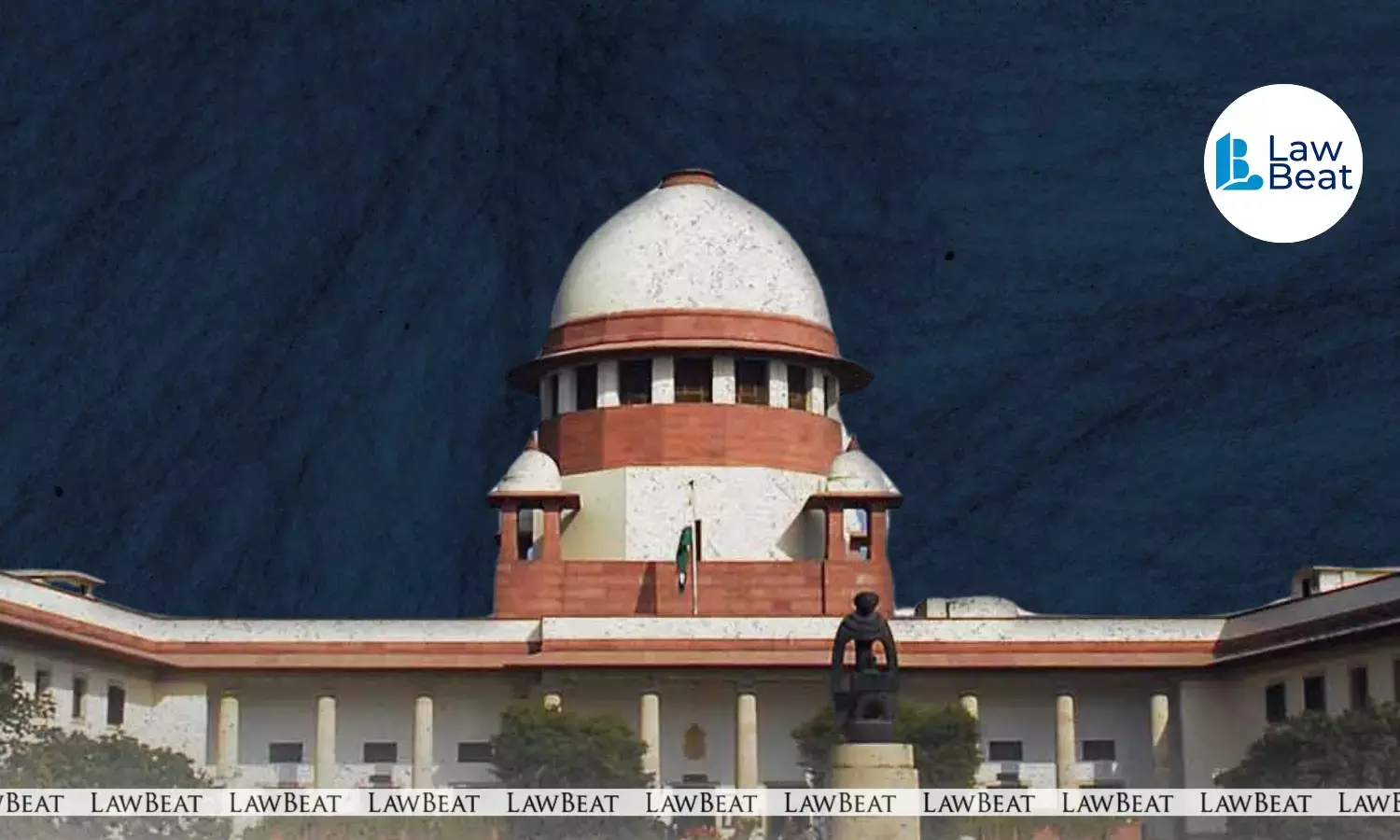
Supreme Court hears case pertaining to the alleged poaching of leopards in Madhya Pradesh.
In a rare order, the Supreme Court recently granted bail to a man who remained in jail for more than nine years in a murder case due to prolonged delay in the trial. Invoking its powers under Article 32 of the Constitution, tCourt directed the release of Liakat Ali, a resident of Jammu and Kashmir.
A Bench of Justices M M Sundresh and Prasanna B Varale allowed Ali's writ petition, observing that the delay in the trial and his prolonged incarceration had "shocked its judicial conscience".
Why did the Supreme Court invoke Article 32 to grant bail?
The petitioner argued that the trial was moving at a snail's pace through no fault of his own. Although his earlier bail application had attained finality in 2024, there had been no substantial progress in the trial thereafter. So far, only 12 of the 30 prosecution witnesses have been examined before the trial court.
His counsel further submitted that Ali was a teenager at the time of the alleged offence and that the case against him was based solely on circumstantial evidence. It was argued that the principles of presumption of innocence and the settled rule that "bail is the rule and jail is the exception" ought to be applied.
The State, on the other hand, contended that there was no need for the Supreme Court's intervention. It argued that nothing prevented the petitioner from filing a fresh bail application despite the charges under Sections 302, 382, 201 read with Section 34 of the Ranbir Penal Code, 1989.
However, after hearing both sides, the Bench observed, "In the normal course, we would not have entertained this petition. However, the continued delay in trial and prolonged incarceration shocks our judicial conscience".
Supreme Court on prolonged incarceration and trial delay
Court noted that the petitioner was a teenager at the time of the alleged occurrence and had been charged with murder on the basis of circumstantial evidence. It also recorded that he had remained in custody for nine years and two months without any fault on his part.
The Bench further observed that, at the present pace, the trial was likely to take considerably more time.
"When the accused is under incarceration, it is incumbent upon the court and the prosecuting agency to expedite the conduct of the trial. Considering the facts of the case, we are inclined to invoke our powers under Article 32 of the Constitution of India by granting bail to the petitioner, for which appropriate conditions will have to be imposed by the concerned trial court," the Bench said.
Case Title: Liakat Ali Vs State of Jammu & Kashmir
Bench: Justices M M Sundresh and Prasanna B Varale
Date of Judgment: July 16, 2026