
Can Juveniles Be Kept in Jail After Being Declared Minor? Supreme Court Says No, Calls It Article 21 Violation
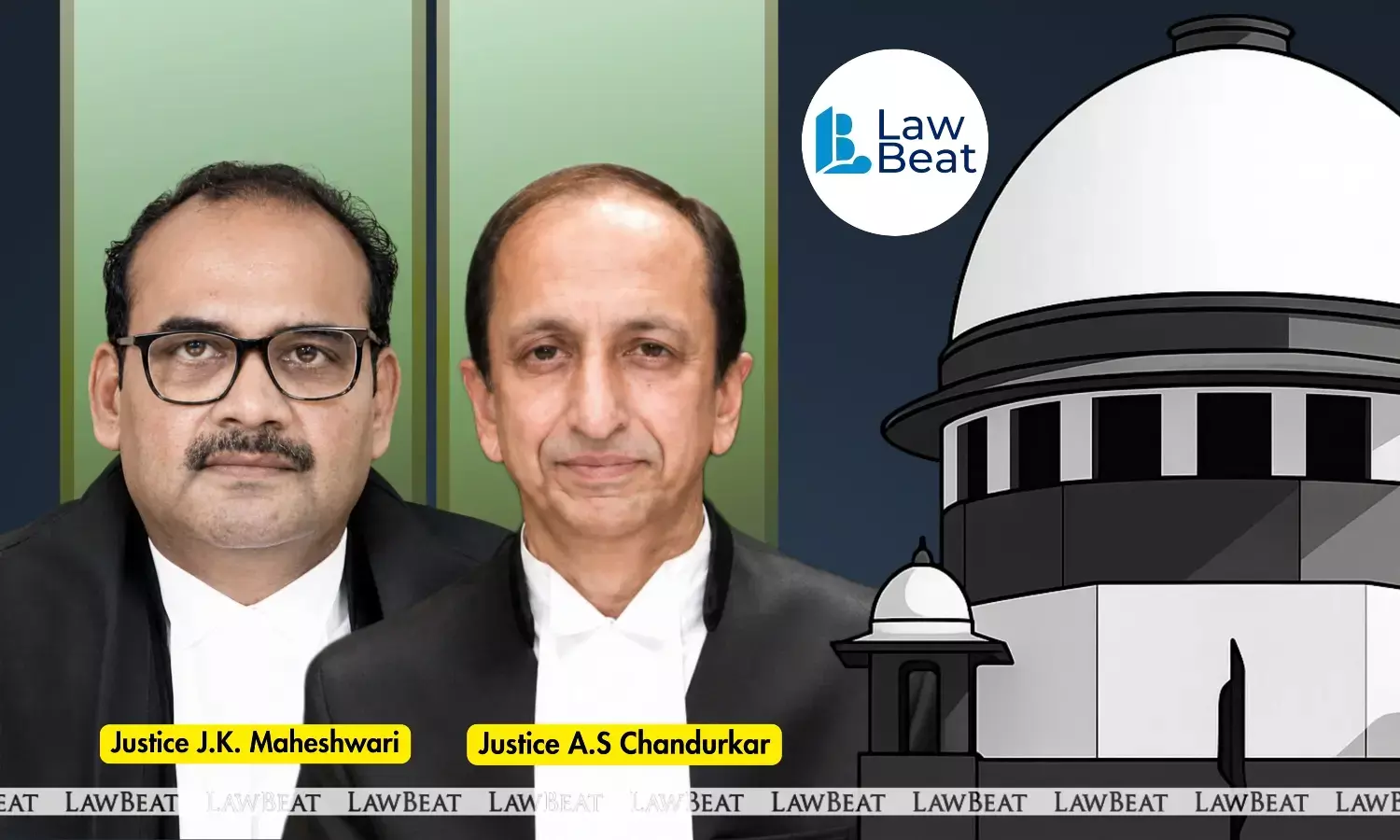
The Supreme Court of India holds that keeping a declared juvenile in regular jail violates the right to life under Article 21 and defeats the purpose of the Juvenile Justice Act.
The Supreme Court has said that the Juvenile Justice (Care and Protection of Children) Act, 2015 is not just a procedural law, but one that directly protects the right to life under Article 21 of the Constitution, as reflected in its object and reasons.
Court explained that children in conflict with law must be treated promptly and humanely. It said that if a child who has been declared a juvenile is not immediately shifted from a regular jail to an observation home, it not only defeats the purpose of the law but also violates the child’s fundamental right to life.
The Bench of Justices J K Maheshwari and Atul S Chandurkar clarified that a juvenile justice board can send a child to a place of safety only in exceptional situations, such as when the child’s conduct makes it unsafe for them or for other children. Even then, such decisions must focus on reform and rehabilitation.
Court further explained how the law should be applied. If, after a preliminary assessment, it is found that a child may need to be tried as an adult, the case must be transferred to the Children’s Court. However, even then, the Children’s Court must independently decide whether the child should actually be tried as an adult. This decision must consider the child’s needs, ensure a fair trial, and maintain a child-friendly environment. If the court decides that trial as an adult is not required, it can proceed like a juvenile justice board and pass appropriate orders.
The Bench was hearing an appeal against an Allahabad High Court order dated May 20, 2025, which had rejected the bail plea of a juvenile accused in a double murder case.
The appellant had been declared a juvenile by the juvenile justice board, Agra in 2023. However, his bail plea was rejected by the board, and this was upheld by the appellate court, which described the offence as extremely heinous and said granting bail would defeat the purpose of the law.
While examining the case, the Supreme Court found a serious lapse. It noted that despite being declared a juvenile, the appellant had remained in a regular jail for over two and a half years. The court said it was “dismayed” by this fact.
The State’s explanation for this delay was found to be unsatisfactory. A report from the Registrar General was also rejected by the court for being based on an incorrect understanding of the law. Later, a standard operating procedure (SOP) was placed before the court to address how juveniles should be transferred from jail to observation homes.
Court observed that the case showed a lack of communication, insensitivity, and an inhumane approach by officials, as the juvenile was kept in an adult jail even after being declared a minor. It also raised the issue of compensation for violation of the appellant’s fundamental rights.
The State informed the Court that it was willing to pay Rs 5 lakh as compensation and agreed to implement the SOP in future cases. Court accepted this.
The Supreme Court also found that the courts below had wrongly denied bail. It said they failed to consider the crucial fact that the appellant was being kept in a regular jail. It also noted that the District Probation Officer’s report did not suggest that the child should be tried as an adult.
In fact, the report showed no adverse findings against the appellant. It stated that he was not involved in any criminal activities like drug trafficking or gambling, had normal behaviour, was inclined towards reading and religion, and had no signs of neglect at home.
The report also suggested that keeping the child in a supportive family environment with counselling would improve his behaviour. Despite this, bail was denied on the assumption that he might come into contact with criminals.
The Supreme Court said this reasoning was flawed. It noted that once the appellant was declared a juvenile, he should have been dealt with strictly under the framework of the Juvenile Justice Act. The law provides several options such as bail, probation, supervision, or placement in a special home, all focused on reform.
Court also criticised the high court for not taking note of the fact that the appellant was in a regular jail. It said the high court’s observation that the trial was being conducted as that of an adult merely because the child was between 16 and 18 years was incorrect and legally unsustainable.
Setting aside the high court’s order, the Supreme Court held that its reasoning was based on assumptions and did not align with the purpose of the Juvenile Justice Act.
Court directed authorities across the country to put in place strong systems to ensure that such lapses do not happen again. It asked its Registry to send a copy of the order and the SOP prepared by the Allahabad High Court to all High Courts.
The Chief Justices have been asked to review the mechanism in their respective states and ensure that there is proper communication of orders declaring a person as a juvenile, and immediate transfer from regular jails to observation homes.
Court also directed that copies be sent to the Chief Secretaries of all states and Union Territories, as implementation of such procedures depends on the State Governments.
Court ordered the release of the appellant and accepted the State’s offer to pay Rs 5 lakh as compensation.
Case Title: Juvenile Delinquent Vs State of UP And Ors
Bench: J K Maheshwari and Atul S Chandurkar
Date of Judgment: April 06, 2026