
Supreme Court: Selection Committee Member Who Fought Your Case Cannot Judge You
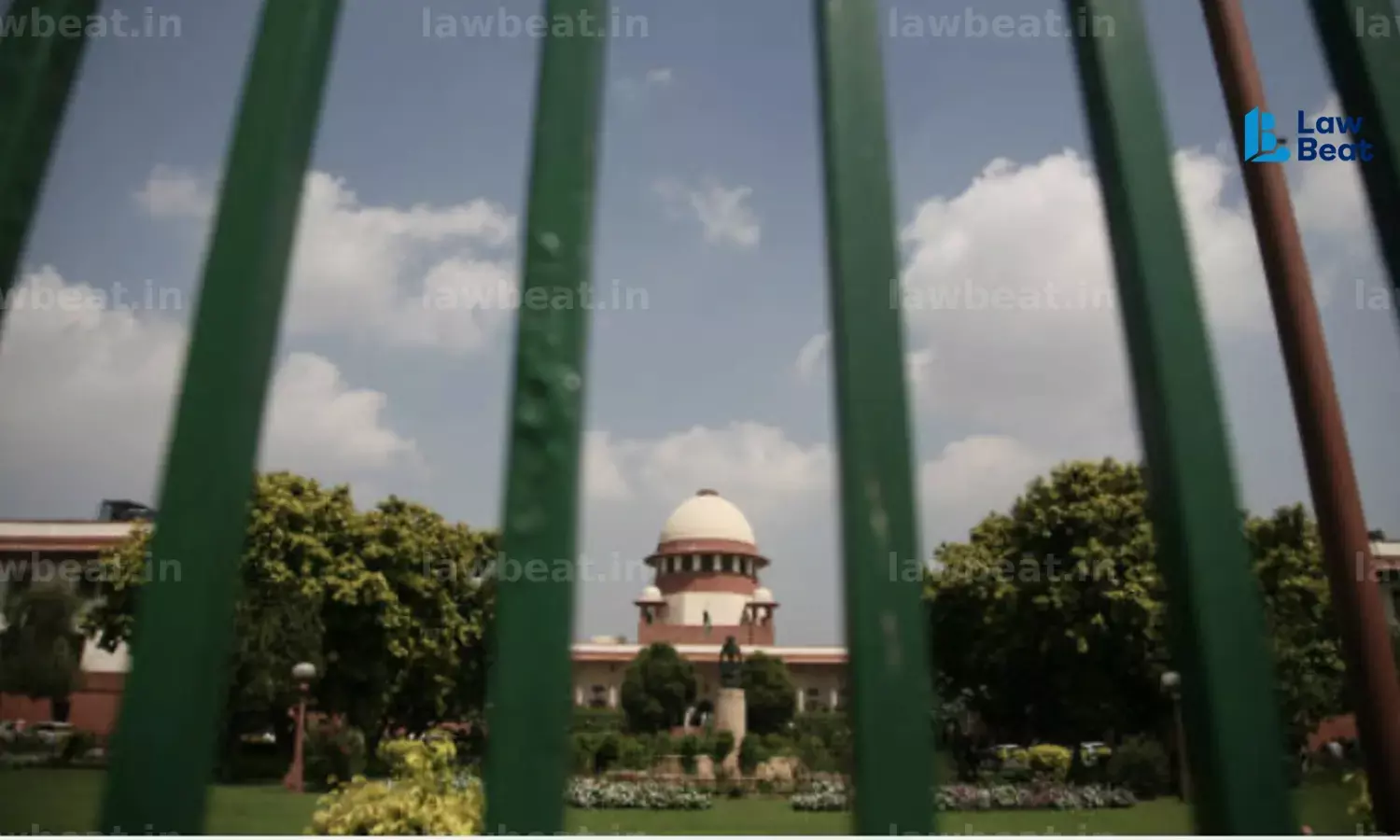
Supreme Court rules that once a party chooses a remedy under RERA, it cannot later pursue the same dispute before a consumer forum.
The Supreme Court has ruled that an authority exercising adjudicatory or selection functions for public appointments must not only act fairly but must also appear to act fairly, for justice must manifestly be seen to be done.
The bench emphasised the rule against bias would certainly be attracted where the person or authority intrinsically involved in the evaluation process has a personal connection with, personal interest in, or prior involvement in the matter under consideration, or has earlier taken a position which he may be interested in sustaining.
The doctrine is applied not only to avoid the possibility of a partial decision but also to preserve public confidence in the impartiality of the decision making process. Where statutory or administrative power is exercised for purposes extraneous to those for which it is conferred, or is influenced by irrelevant considerations, or is actuated by malice in law, such exercise cannot be sustained. Judicial review in such circumstances is directed not merely at the decision but at the decision making process itself.
The court was dealing with a writ petition filed by Captain Pramod Kumar Bajaj, disclosing a sordid tale of targeted departmental vendetta, full of mala fide actions and protracted persecution.
The petitioner was a former member of the Armed Forces who was released from service on account of physical disability suffered during the course of Army operations.
Having appeared and succeeded in the Civil Services Examination, he was appointed to the Indian Revenue Service against an unreserved category post in 1990.
After an unblemished service record, including promotion to the high position of Commissioner of Income Tax in 2012, the petitioner applied for the post of Member (Accountant), ITAT, and was interviewed by a Search Cum Selection Committee headed by a sitting Judge of the Supreme Court. The Committee evaluated the petitioner and ranked him first on the all India merit list.
The bench noted that this success of the petitioner did not go down well with the officers of the respondents.
As he took legal recourse, the petitioner was subjected to vigilance and disciplinary proceedings and suffered compulsory retirement.
With the favorable order, the petitioner filed a contempt petition before this court in which the then Revenue Secretary was summoned for deliberate defiance of the judgment passed by this court. The officer tendered an unconditional written apology.
Since no consequential order offering appointment to the petitioner was made, when he appeared in fourth meeting of the Search Cum Selection Committee, he found that the officer who had earlier been actively involved in matter relating to the petitioner's protracted struggle for appointment and had faced contempt proceedings was included as a member of the Committee.
After going through the facts of the matter, the bench noted the Department continued to procrastinate and created intentional hurdles in the appointment of the petitioner. Not only this, roadblocks were created and his subsisting service as a Senior Officer in the Income Tax Department was cut short by the action of compulsory retirement which was later struck down by this court. This attribution and perception of bias pleaded in the writ petition remained uncontroverted, as no reply or counter affidavit has been filed on behalf of the respondents.
The court stated it was overwhelmingly convinced that the petitioner has been subjected to grave injustice and rank highhandedness by the respondents by intentionally hampering and impeding his candidature for appointment as Member (Accountant), ITAT.
The court felt that the inclusion of the officer as a member of the SCSC, which rejected the petitioner's candidature, has undoubtedly created a genuine perception of bias in the mind of the petitioner and was in gross violation of the principles of natural justice.
The bench set aside the minutes of the meeting of the SCSC held on September 1, 2024, insofar as they related to the petitioner and whereby he was not recommended for appointment as Member (Accountant), ITAT.
The court directed the Department of Personnel and Training to ensure that a fresh meeting of the SCSC was convened within a period of four weeks to consider the candidature of the petitioner for the post, ensuring exclusion of the officer from the said proceedings. The outcome of the SCSC proceedings would be communicated to the petitioner within a further period of two weeks.
The bench imposed Rs 5 lakh cost on the respondents for rank procrastination in these proceedings and the deliberate obstacles created in the path of the petitioner bordering on vendetta.
The judgment reinforces fundamental principles of natural justice requiring that decision makers in public appointments must be free from actual bias and the appearance of bias. When an official who has previously opposed a candidate's appointment or been involved in proceedings against them sits on a selection panel to evaluate the same candidate, it creates an irrebuttable perception of unfairness that violates constitutional principles of equality and fair treatment.
Case details: Captain Pramod Kumar Bajaj vs Union of India and Anr, decided by a bench of Justices Vikram Nath and Sandeep Mehta on January 30, 2026.