
SC Rejects Claims For HereditaryPujari Rights Over Karnataka's Amogasidda Temple
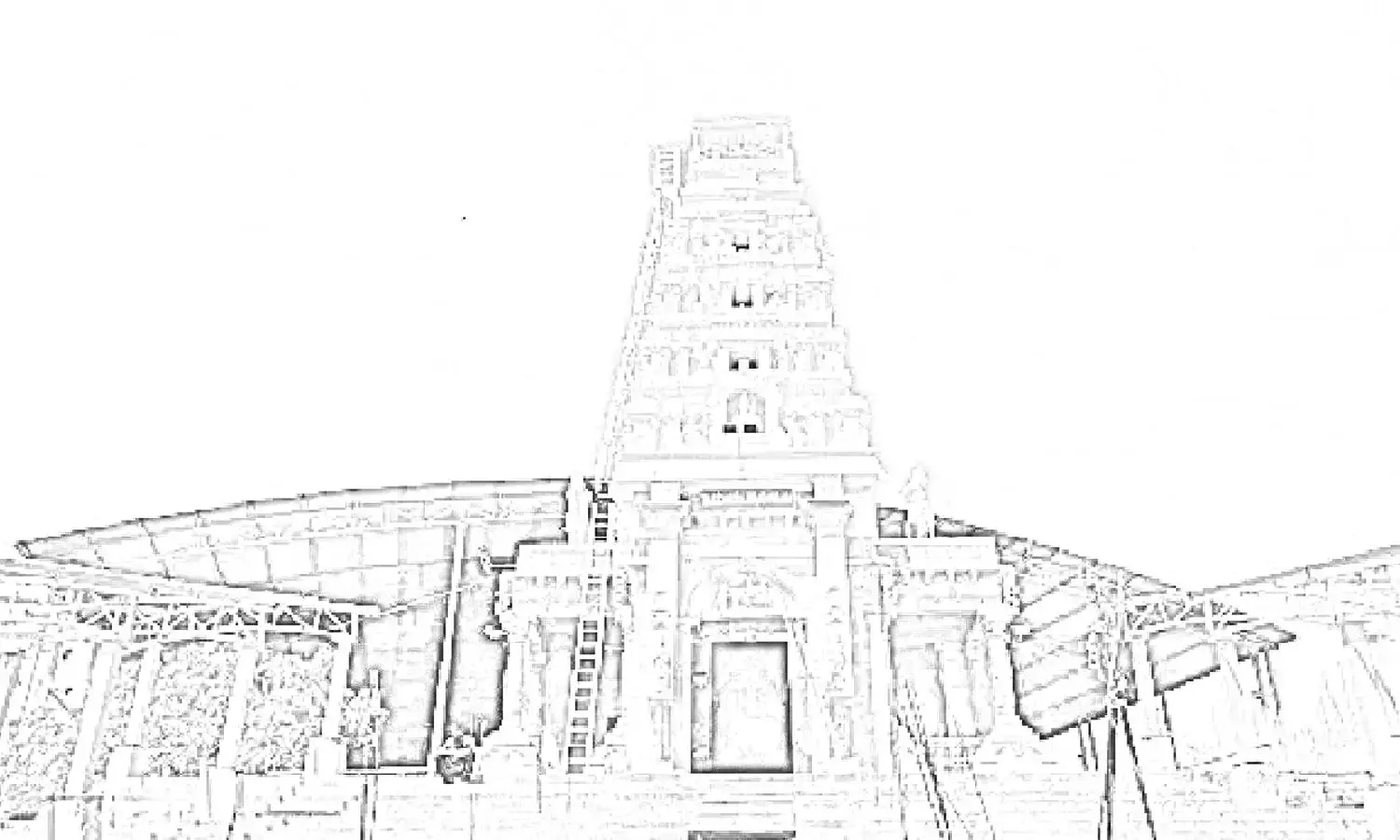
Who has the legal right to perform religious ceremonies and manage offerings at a temple when multiple families claim hereditary priesthood? The Supreme Court has addressed this question while deciding a long running dispute over hereditary pujari rights at the Amogasidda temple in Karnataka, holding that such claims must be clearly pleaded and supported by evidence.
A bench comprising Justices Prashant Kumar Mishra and K V Vinod Chandran dismissed a civil appeal filed by Ogeppa through legal representatives, thereby affirming the findings of the Karnataka High Court and the First Appellate Court.
The Supreme Court upheld the decree declaring the respondents as the hereditary pujari of the Amogasidda temple, rejecting the rival claim made by the appellants.
Dispute over temple priesthood
The case arose from a century old dispute between two families claiming hereditary rights to perform puja at the Amogasidda temple located in Mamatti Gudda, Jalgeri, Arkeri in Karnataka.
The temple is associated with Amogasidda, a saint who passed away around 600 years ago, and whose samadhi became a site of worship for devotees.
The core issue in the dispute was to determine which family had the hereditary right to conduct religious ceremonies, manage offerings from devotees, and organise the annual temple festival or Jatra.
Evidence relied on by the courts
The Supreme Court noted that the respondents had consistently supported their claim through documentary records, revenue entries, witness testimony, and admissions made by the appellants’ own witness.
The evidence also included statements from independent witnesses and temple devotees, who confirmed that the respondents had been performing puja at the temple as hereditary wahiwatdar pujaries.
The bench observed that both the First Appellate Court and the Karnataka High Court had carefully evaluated this evidence and recorded concurrent findings in favour of the respondents.
Weakness in the rival claim
The appellants primarily relied on a decree passed in 1901, claiming that their predecessor had been granted pujari rights over the temple.
However, the Supreme Court noted that this claim was contradicted by the conduct of the appellants’ predecessor.
The Court pointed out that the appellants’ predecessor had filed another suit in 1944 seeking possession and injunction over the temple.
The Court observed that if the appellants’ family had indeed been in uninterrupted possession and performing puja continuously, there would have been no reason to file a suit seeking possession.
The bench held that the very act of filing such a suit indicated that possession of the temple was not with them at that time.
The Supreme Court also emphasized that parties claiming hereditary religious rights must clearly plead the relevant facts in their case.
The Court stated that a competing claimant must specifically state:
- When they came into possession of the temple
- When they started performing puja
- When the opposing party allegedly obstructed them
- What steps they took to assert their rights during the intervening period
The bench found that the appellants’ written statement lacked these crucial details and relied mainly on a general denial and reference to the 1901 decree.
The Court observed that such pleadings were insufficient.
It reiterated that oral evidence cannot replace proper pleadings, and a case that is not pleaded cannot be built solely on evidence.
The Court also reiterated the limited scope of its jurisdiction under Article 136 of the Constitution, particularly when lower courts have recorded concurrent findings of fact.
The bench said that the Supreme Court ordinarily does not interfere with such findings unless they are clearly perverse or legally unsustainable.
After examining the record, the Court held that the findings of the High Court and the First Appellate Court were based on a correct appreciation of the evidence.
The Supreme Court therefore dismissed the appeal and confirmed the respondents’ hereditary pujari rights over the temple.
Case Title: Ogeppa (D) Through LRs And Others Vs Sahebgouda (D) Through LRs And Others
Bench: Justices Prashant Kumar Mishra and K V Vinod Chandran
Date of Judgment: February 25, 2026