
1995 Cheating Case: Supreme Court Stays Conviction of NCP Leader Manikrao Kokate
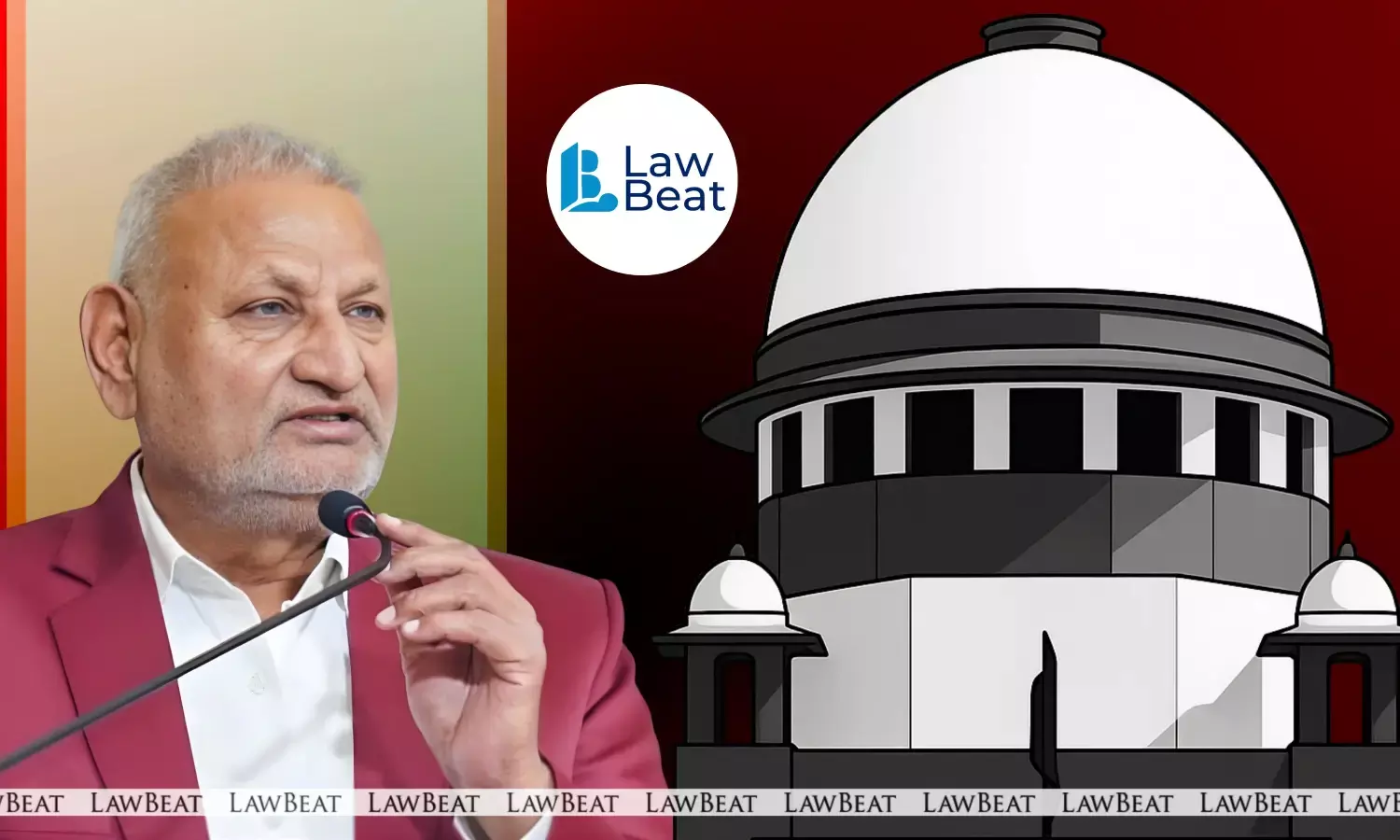
SC stayed the conviction of NCP (Ajit Pawar faction) leader Manikrao Kokate in a 1995 cheating case, protecting him from immediate disqualification as an MLA
The Supreme Court on Monday stayed the conviction of senior Nationalist Congress Party (NCP, Ajit Pawar faction) leader and former Maharashtra minister Manikrao Kokate in a 1995 cheating and forgery case, protecting him from immediate disqualification as a Member of the Legislative Assembly.
The vacation bench of Chief Justice of India Surya Kant and Justice Joymalya Bagchi issued notice to the Maharashtra government on Kokate’s plea challenging a Bombay High Court order which had suspended his sentence but declined to stay his conviction.
“Issue notice. In the meanwhile, the conviction of the petitioner shall remain stayed to the extent that there shall be no disqualification as a Member of the Legislative Assembly. However, he shall not hold any office of profit,” the Bench directed.
During the hearing, Justice Bagchi made sharp prima facie observations on the conviction itself, remarking that “false declaration does not make a document forgery” and that there appeared to be a “fundamental error in the conviction”.
Senior Advocate Mukul Rohatgi appeared for Kokate, while Senior Advocate Maninder Singh represented the State.
Kokate was convicted for offences relating to a government housing scheme introduced between 1989 and 1992 for economically weaker sections, under which only individuals with an annual income of up to ₹30,000 were eligible for allotment of flats. The prosecution alleged that Kokate and his brother Vijay submitted false affidavits understating their income to secure two government flats under the scheme.
According to the prosecution, Kokate was earning substantially more than the prescribed limit at the relevant time, both from his legal practice and agricultural activities. It was alleged that his family owned around 25 acres of agricultural land and that Kokate earned significant income by supplying sugarcane to local factories, which was not disclosed in his application.
The trial court convicted Kokate in February this year. On December 16, a sessions court in Nashik upheld the conviction and imposed a two-year sentence. Following the sentencing, Kokate resigned from his ministerial post, and his resignation was reportedly accepted by the Maharashtra government.
Earlier, on December 12, a single judge of the Bombay High Court had suspended Kokate’s sentence but refused to stay his conviction. The High Court rejected his argument that potential disqualification as an MLA constituted an “exceptional circumstance” warranting a stay on conviction. Emphasising higher standards of accountability for public office holders, the High Court observed that permitting a convicted person to continue in constitutional office would erode public confidence in democratic institutions.
Challenging that order before the Supreme Court, Kokate contended that failure to stay his conviction would lead to irreparable consequences, including his unseating as an MLA. Accepting this contention at least to a limited extent, the apex court granted interim protection against disqualification, while clearly restraining him from holding any office of profit.
Case Title: Manikrao Shivaji Kokate v. State of Maharashtra
Bench: CJI Surya Kant and Justice Joymalya Bagchi
Hearing Date: December 22, 2025