
2020 Delhi Riots Case: Supreme Court Refuses Devangana Kalita’s Plea Seeking Reconstruction Of Case Diaries
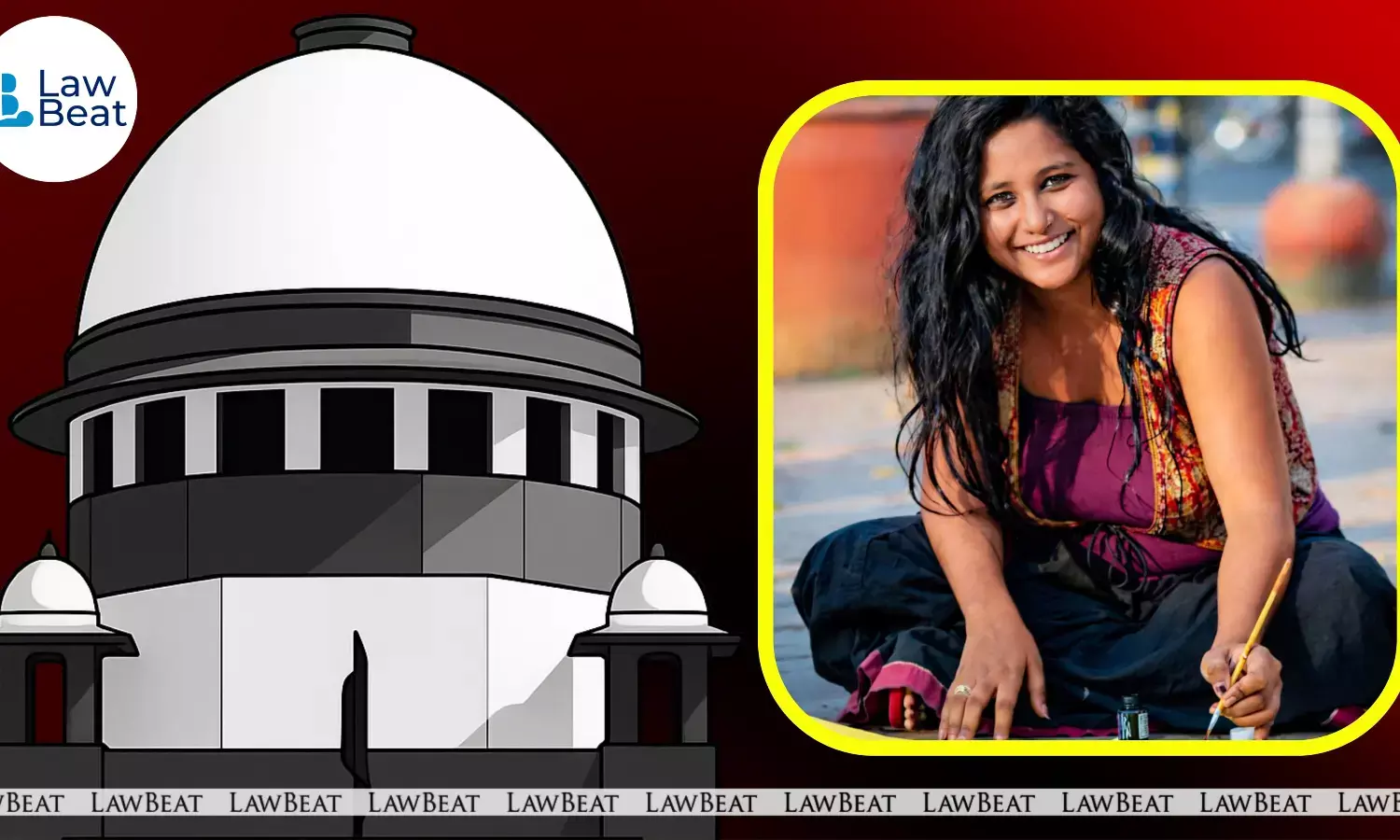
The Supreme Court stayed a trial court order directing the Delhi Police to provide Delhi riots accused Devangana Kalita with a copy of electronic evidence before charges are framed
The Supreme Court on Monday declined to entertain a plea filed by Devangana Kalita challenging a Delhi High Court order that refused reconstruction of police case diaries in a criminal case linked to the 2020 Delhi riots.
The bench of Justices Aravind Kumar and P. B. Varale dismissed the plea after briefly hearing Kalita’s counsel, who argued that the material supplied by the prosecution appeared to be “demonstrably forged” and alleged that certain witness statements were ante-dated.
The court, however, was not convinced by the submissions. Justice Kumar referred to Section 172(3) of the Code of Criminal Procedure, 1973, which restricts an accused person’s right to access police case diaries, and questioned the delay in raising the issue.
“Trial commenced three years back, what were you doing for three years?” Justice Kumar asked during the hearing.
The case arises from a complaint filed by a Delhi Police Superintendent, Devendra Singh, during protests against the Citizenship (Amendment) Act, 2019 and the proposed National Register of Citizens. According to the complaint, a crowd of around 200 to 400 people had gathered below the Jafrabad Metro station in northeast Delhi and blocked the main road, causing disruption to commuters and tension in the area.
Following investigation, the police filed a chargesheet against 26 persons, including Kalita, under various provisions of the Indian Penal Code, 1860, including Sections 147, 353, 186, 188, 341, 283, 109, 153A and 34. The trial in the case began in December 2020.
In 2024, Kalita raised objections regarding alleged tampering and ante-dating of statements recorded under Section 161 CrPC. She pointed to discrepancies in the booklet numbers and page numbering in the police case diary volumes in which witness statements had been recorded.
Kalita sought reconstruction and preservation of the relevant case diary booklets, numbered 9989 and 9990, contending that irregularities in the records undermined the fairness of the investigation.
The trial court rejected Kalita’s plea in November 2024, observing that the issue raised was procedural in nature. It further held that statements recorded under Section 161 CrPC are not substantive evidence and that the court could not examine allegations of tampering at that stage of the proceedings.
Kalita subsequently approached the Delhi High Court under Section 528 of the Bharatiya Nagarik Suraksha Sanhita, 2023 (corresponding to Section 482 CrPC), seeking directions to set aside the trial court’s order and to require the police to reconstruct the missing or disputed portions of the case diaries.
Justice Ravinder Dudeja of the High Court examined the issue and, in December 2024, passed an interim order directing the police to preserve the relevant volumes of the case diaries. However, by a final order dated September 22, 2025, the High Court declined Kalita’s request for reconstruction of the booklets. Notably, on July 7, 2025, the Delhi High Court had reserved its order on the petition.
The Court had noted that Section 172 CrPC requires police officers to maintain case diaries on a day-to-day basis with proper pagination and chronological entries. It also empowers criminal courts to call for and examine such diaries during inquiry or trial. At the same time, Justice Dudeja emphasised that an accused does not possess an independent right to inspect or demand copies of case diaries except in limited circumstances under Section 172(3) CrPC.
Referring to the Supreme Court’s ruling in Mukund Lal v. Union of India, the High Court had observed that the confidentiality of case diaries is intended to protect investigative processes and safeguard informants. The High Court had further held that reconstruction of the disputed booklets was not feasible, as the same diary volumes might have been used by investigating officers for recording statements in other FIRs being investigated simultaneously. Nevertheless, the court had confirmed its earlier direction requiring preservation of the case diary volumes, noting that their absence could potentially affect the fairness of the trial.
Challenging the High Court’s refusal to order reconstruction, Kalita moved the Supreme Court. However, after hearing brief submissions from her counsel, the apex court declined to interfere with the High Court’s decision.
The violence in Northeast Delhi had broken out during anti-CAA protests, leading to widespread clashes between supporters and opponents of the Act. Several incidents of stone-pelting, arson, and violent protests were reported, resulting in significant loss of life and property.
Case Title: Devanagana Kalita v. State (NCT of Delhi)
Bench: Justices Aravind Kumar and PB Varale
Hearing Date: March 9, 2026