
Insufficient Pay Reason Behind Good Lawyers Refusing Judgeship: Justice Dipankar Datta
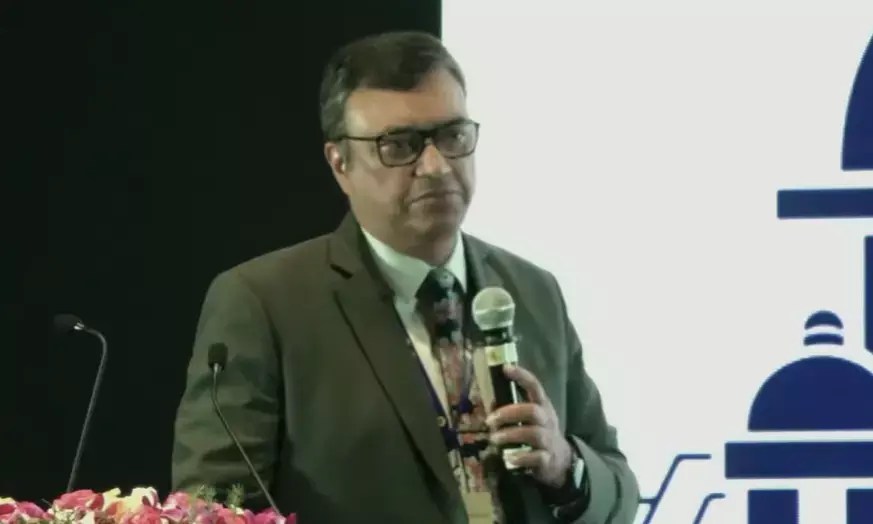
Justice Dipankar Datta spoke at the 1st Supreme Court Bar Association National Conference 2026.
Justice Dipankar Datta has highlighted the reasons behind good advocates refusing judgeship offers due to concerns over financial viability. Lawyers are increasingly reluctant to join the Bench because judicial salaries are not up to the mark, the Supreme Court judge has expressed while speaking at the 1st Supreme Court Bar Association National Conference 2026 on 'Reimaging Judicial Governance'.
Sharing from his personal experience of interacting with lawyers, Justice Datta has said, "I went to Bombay. I found three, four very promising, very talented lawyers between the age group of 44 to 47. I asked them, are you interested? They were solid performance in the Bombay High Court. They said, Sir, nowadays times have changed. Our children go to abroad for educational purposes. With rupees 2.25 plus allowances, it will not be possible for me to make both ends meet. So good lawyers refuse judgeship because what we pay is not sufficient for their needs.."
Justice Datta went on to urge the government to think over it. "You don't have meritorious persons coming over to the judiciary. You need to incentivize them so that they come over. Not everyone is a hermit. Not everyone is a hermit that they would be not thinking about their lives and taking judgeship. Unless you have meritorious people on the bench, don't think of expeditious disposal of cases."
Referring to the increase in case pendency, Justice Datta stated that both the executive and the legislature are equally responsible for systemic delays arising from vacancies and budgetary neglect in the judiciary. "Are we responsible for delayed justice? We are singled out. The judiciary is the soft target...When it comes to Courts, you will have to understand under what circumstances judges and judicial officers work," Justice Datta said.
He also criticized delays in processing of collegium recommendations by the government, saying such delays contribute directly to unfilled vacancies. Referring to a chart of vacancies in the High Court, Justice Datta said: "Why are posts not filled up? Now, most of the time, the blame is placed on the High Court Collegium and the Chief Justice. Chief Justice, you know when your judges are retiring, why don't you send names? Well, if names are sent, the names are kept pending at the governmental level at least for five to six months. Thereafter, the files move."