
Kunal Kamra Moves Supreme Court In 7-Judge Case On Legislative Privileges
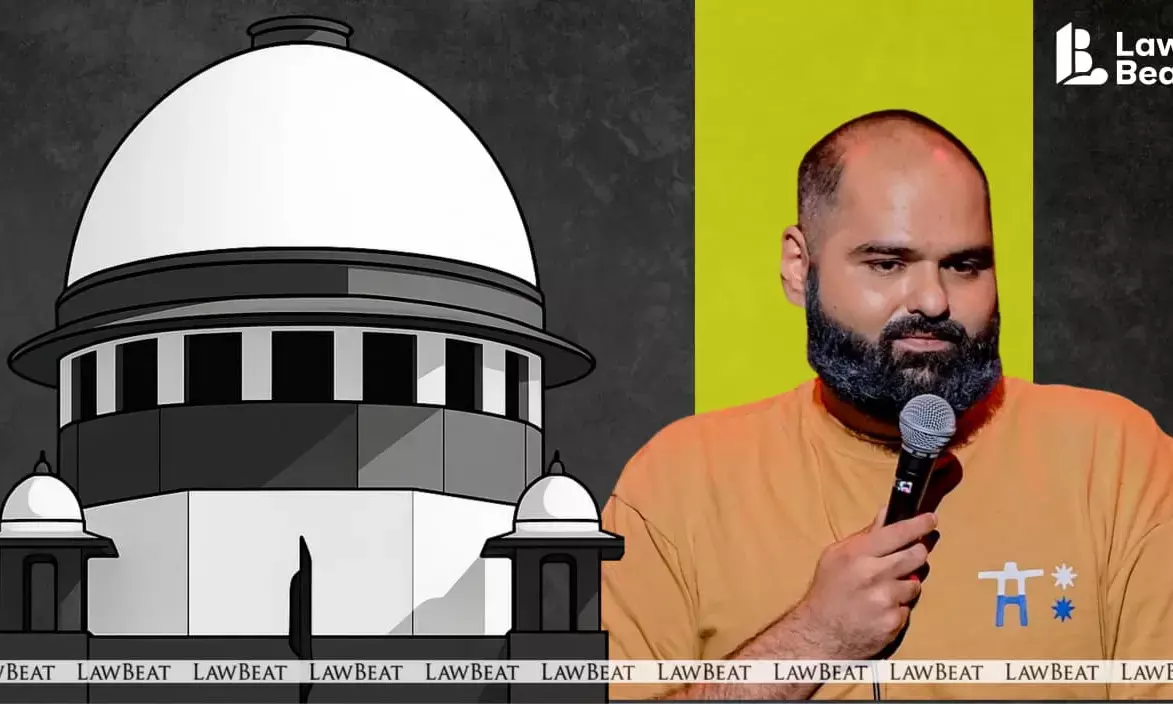
Kamra has approached Supreme Court seeking consideration of the constitutional boundaries of legislative privilege and its relationship with fundamental rights, including freedom of speech and expression.
Comedian Kunal Kamra has approached the Supreme Court seeking to intervene in a seven-judge Constitution Bench case that will examine the limits of legislative privileges and their interplay with citizens' fundamental right to freedom of speech and expression.
Kamra has sought to be impleaded in N Ravi & Ors. v. Speaker, Legislative Assembly, Chennai, a long-pending matter concerning the scope of privileges available to State Legislatures under Article 194 of the Constitution. The Supreme Court is scheduled to commence hearing the reference on October 6, 2026.
Kamra's plea assumes significance against the backdrop of breach of privilege proceedings initiated against him by the Maharashtra Legislature over a satirical performance in his comedy show Naya Bharat. He has argued that the constitutional questions before the seven-judge Bench have a direct bearing on the proceedings he faces.
Kamra’s satirical performance dwelt on the split of the Shiv Sena party in 2022, which led to the resignation of then Chief Minister Uddhav Thackeray, and the eventual formation of a new State regime led by Eknath Shinde. In his song, Kamra also reportedly called Shinde ‘Gaddar’ (traitor).
According to the plea, the invocation of legislative privilege against citizens for speech concerning elected representatives raises important questions concerning the protection afforded to free speech. Kamra has contended that proceedings of this nature could have a chilling effect on public commentary concerning the functioning and conduct of elected representatives.
The plea states that it is concerning when constitutional provisions relating to legislative privilege are invoked in a manner that discourages speech and commentary about elected representatives. Kamra has also referred to difficulties he has faced in securing venues for his performances following the controversy.
The reference in N Ravi v. Speaker, Legislative Assembly, Chennai arises from a 2003 controversy involving journalists associated with The Hindu. The Tamil Nadu Legislative Assembly had initiated privilege proceedings after publication of an editorial critical of the then State government. The Assembly subsequently passed a resolution imposing imprisonment on journalists associated with the newspaper. The journalists approached the Supreme Court, challenging the action and arguing that legislative privilege could not be used to override freedom of speech and freedom of the press.
Supreme Court had stayed the proposed arrests in November 2003. The Court subsequently noted questions concerning the relationship between earlier decisions dealing with legislative privileges and fundamental rights.
In December 2003, a five-judge Bench referred the matter to a seven-judge Bench, observing that substantial constitutional questions were involved. The reference concerns, among other issues, the interplay between Articles 19(1)(a), 21 and 194 of the Constitution.
The present seven-judge reference will therefore consider the constitutional boundaries of legislative privilege and its relationship with fundamental rights, including freedom of speech and expression. The case has remained pending for more than two decades and is now listed for substantive hearing from October 6.