
Passive Euthanasia Plea: Supreme Court to Meet Parents of Man in Coma for 12 Years
Supreme Court of India backs exam authorities and validates SSC CGL 2023 answer key
The Supreme Court on Thursday said it wished to personally meet the parents of a 31-year-old man who has remained in a comatose state for over 12 years, while hearing a plea filed by his father seeking permission for passive euthanasia through the withdrawal of artificial life support.
The man suffered severe head injuries after falling from the fourth floor of a building in 2013 and has since been dependent on an artificial life support system.
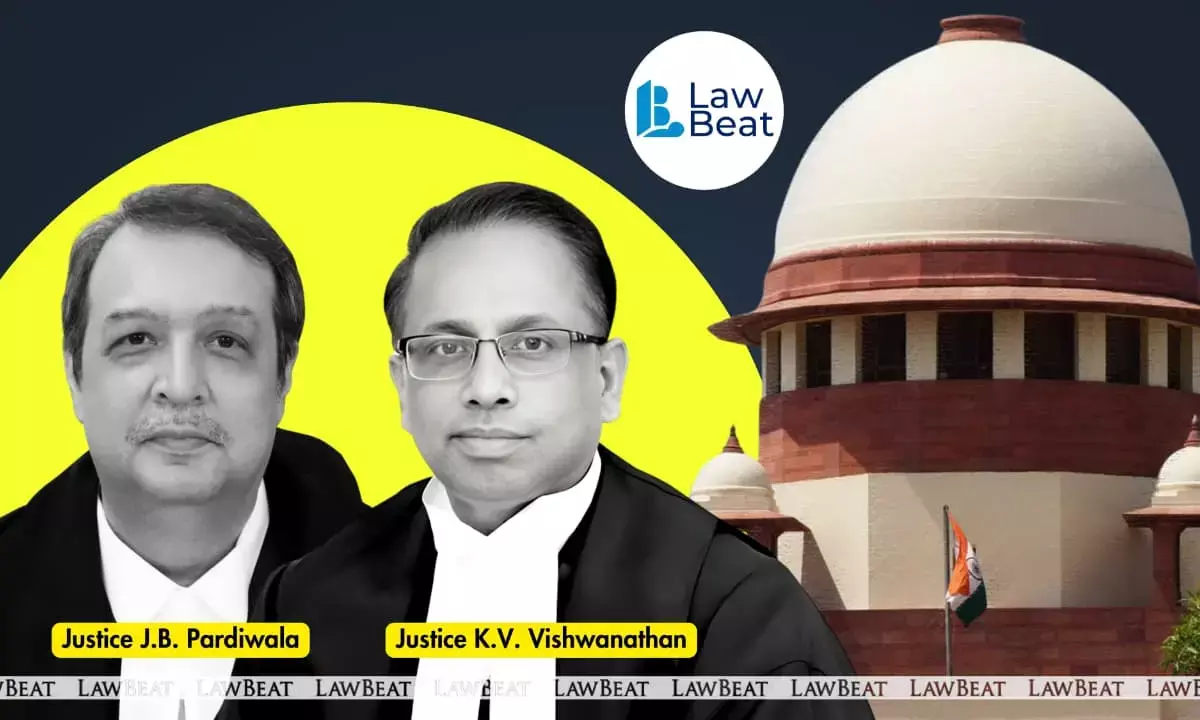
The Bench of Justices J.B. Pardiwala and K.V. Viswanathan examined a medical report submitted by a secondary medical board from the All India Institute of Medical Sciences (AIIMS), detailing the patient’s condition and treatment history.
Describing the report as “sad”, the Bench observed, “We cannot keep this boy in this stage.”
Passive euthanasia involves allowing a patient to die by withholding or withdrawing life-sustaining medical treatment.
The Court scheduled a meeting with the patient’s parents at 3 pm on January 13, indicating its intent to hear them personally before taking a decision in the matter.
On the last hearing, the Court had directed AIIMS, New Delhi, to constitute a Secondary Medical Board to evaluate whether life-sustaining treatment may be withdrawn for Harish Rana. The Court had acted after a team of medical experts reported that his chances of recovery were “negligible”.
Case Title: Harish Rana v. Union of India & Ors.
Hearing Date: December 18, 2025
Bench: Justices JB Pardiwala and KV Viswanathan