
Stem Cell Therapy for Autism Not a Valid Clinical Treatment: Supreme Court
Supreme Court directed strict compliance with its order on providing free sanitary napkins and functional gender-segregated toilets in schools across India
In a significant judgment on medical ethics and experimental therapies, the Supreme Court on Friday held that administering stem cell therapy for therapeutic use in Autism Spectrum Disorder (ASD) cannot be justified as a permissible clinical service merely because stem cells are classified as “drugs” under the Drugs and Cosmetics Act, 1940.
The Court clarified that classification under the Drugs Act does not automatically make a treatment clinically acceptable.
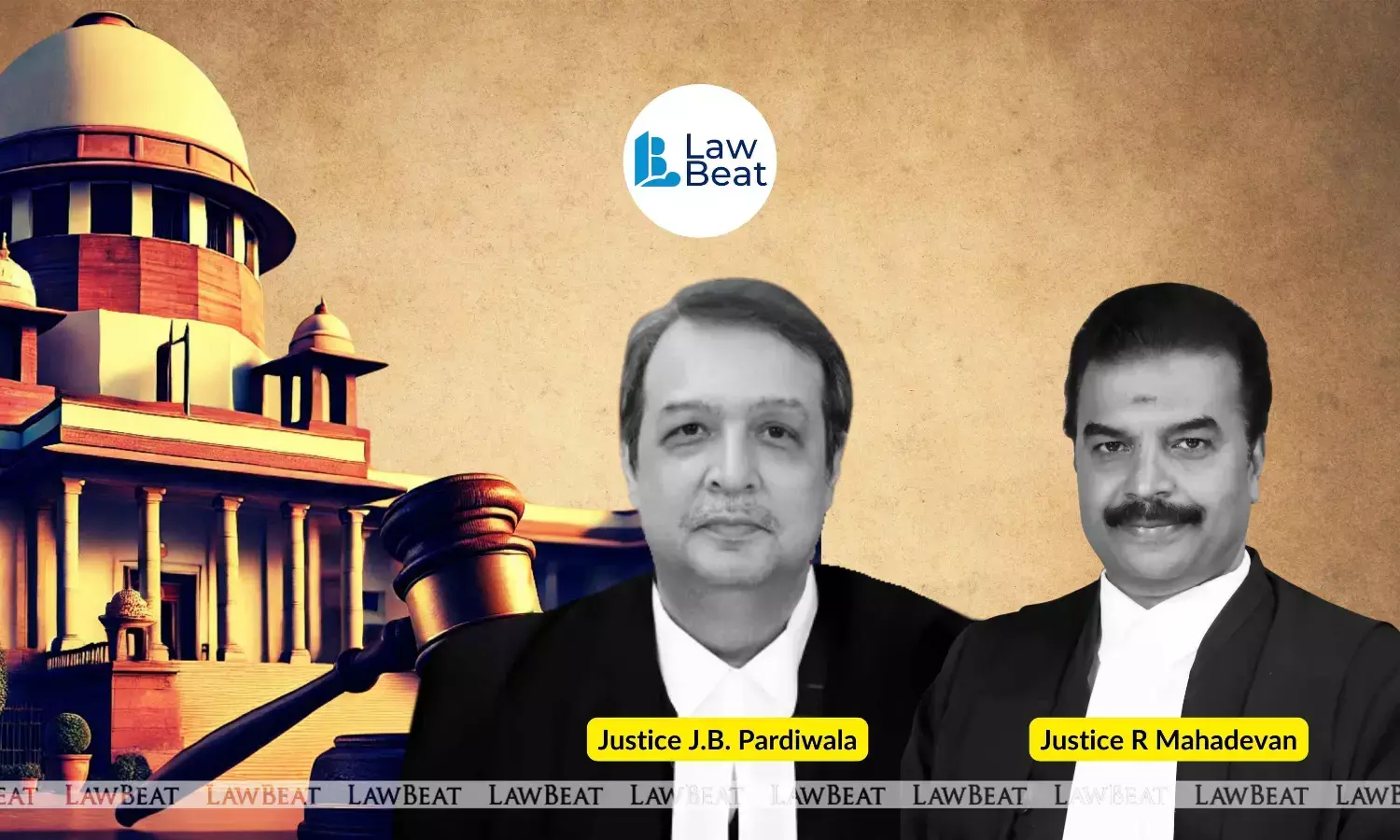
Delivering the judgment, Justices J.B. Pardiwala and R. Mahadevan emphasised that medical practitioners are bound by the duty to exercise a reasonable standard of care, skill and knowledge expected of a prudent professional in the field.
The Court ruled that a doctor breaches this standard if they administer an intervention that lacks credible scientific evidence of safety and efficacy, or where leading medical authorities have clearly stated that such treatment is not recommended. The judgment reiterated established principles of medical negligence laid down in Indian Medical Association v. V.P. Shantha, Jacob Mathew v. State of Punjab, and reaffirmed in MABVG, holding that a doctor’s conduct must align with practices accepted by the medical profession at the relevant time, based on available scientific knowledge.
The Bench observed that experimental therapies can only be administered when supported by published research and conducted within approved clinical trial frameworks. Otherwise, offering such treatments could expose doctors to professional misconduct proceedings.
Referring to regulatory and ethical guidelines, the Court examined recommendations issued by the Ethics and Medical Registration Board (EMRB) of the National Medical Commission dated December 6, 2022, along with the Evidence Based Stem Cell Therapy (EBSSCT) Guidelines 2021, National Guidelines for Stem Cell Research (NGSCR) 2017, and National Ethical Guidelines framed by the Indian Council of Medical Research (ICMR).
The Court noted that these authoritative documents uniformly state that stem cell therapy for treatment of ASD is not recommended as routine clinical treatment due to lack of scientific validation and empirical evidence demonstrating effectiveness. The guidelines further clarify that stem cell use in patients must be restricted to approved and monitored clinical trials aimed at advancing medical science, and not offered as commercial or routine therapeutic services.
The judgment categorically held that use of stem cells outside an approved clinical trial setting would be unethical and could amount to medical malpractice. The Court said doctors offering such therapy as a routine treatment would be failing to meet the reasonable standard of care owed to patients.
The Court also addressed the issue of patient consent, observing that consent must be based on adequate and accurate information. It held that stem cell therapy for ASD currently does not meet the threshold for informed consent, as patients and families may be led to expect therapeutic outcomes from unproven methods, amounting to a violation of medical ethics. The bench further clarified that patients cannot demand unproven treatments as a matter of right.
At the same time, the Court balanced regulatory enforcement with patient welfare by directing that ongoing treatments should not be abruptly discontinued for patients already undergoing stem cell therapy. The Bench directed the National Medical Commission, All India Institute of Medical Sciences (AIIMS), and the Secretary of the Ministry of Health and Family Welfare to ensure continuity of treatment for such patients until formal clinical trials commence.
Case Title: Yash Charitable Trust v. Union of India
Bench: Justices JB Pardiwala and R. Mahadevan
Pronouncement Date: January 30, 2026