
Supreme Court Condemns Barabanki Lawyers’ Violence, Grants Bail To Toll Staff, Transfers Trial To Delhi
Supreme Court declines to entertain PIL seeking a judicial commission to review wages of priests and temple staff in state-controlled temples
The Supreme Court on Tuesday came down heavily on members of the Bar in Uttar Pradesh’s Barabanki for indulging in violence, including storming a fellow lawyer’s office and setting his furniture on fire, after he chose to represent toll plaza employees accused of assaulting an advocate.
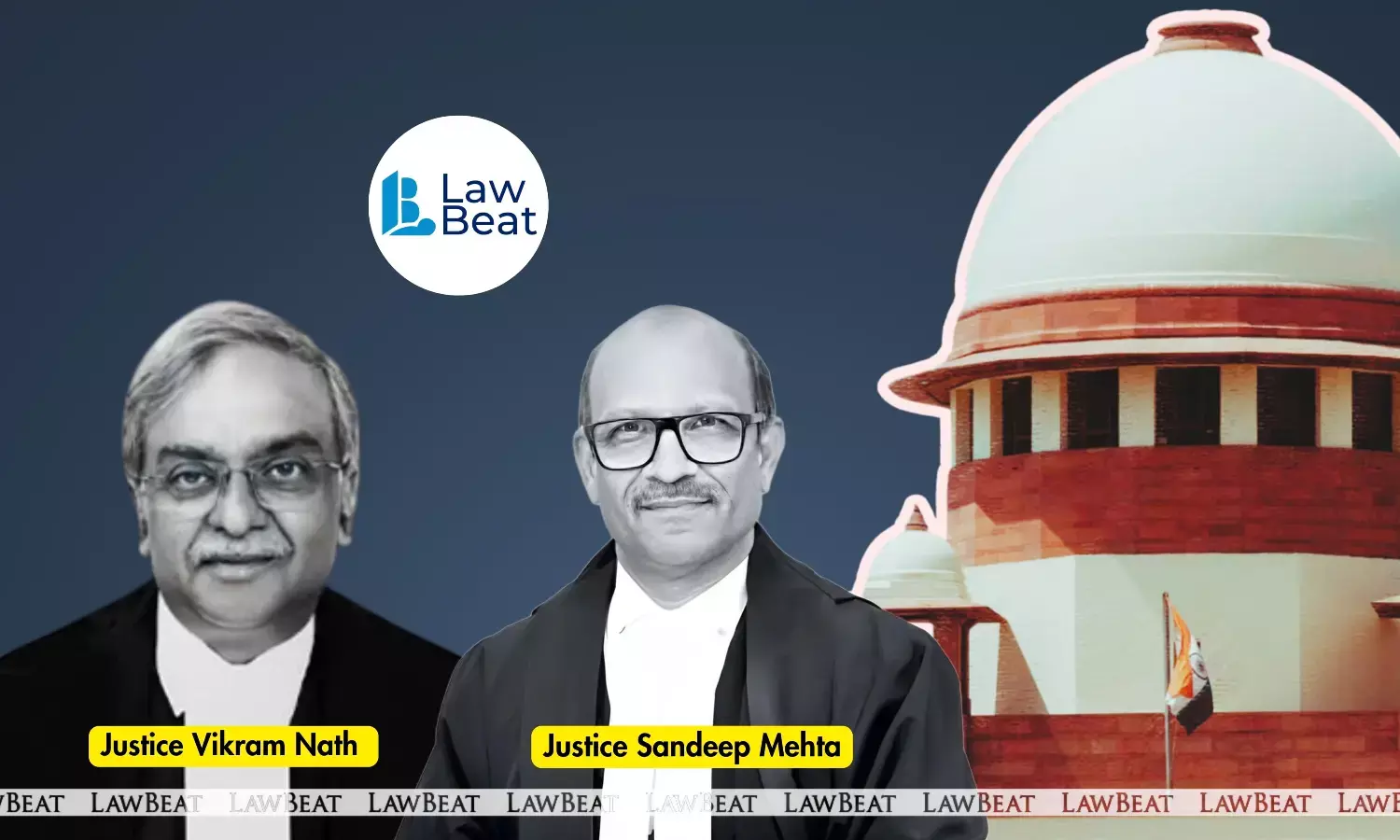
The bench of Justices Vikram Nath and Sandeep Mehta described the episode as a “very sorry state of affairs,” observing that members of a noble profession had “turned into perpetrators of violence.”
The Court was hearing a writ petition filed by toll plaza employees booked in connection with a January 14 scuffle involving an advocate on the Lucknow-Sultanpur highway. According to the employees, the altercation began after the lawyer allegedly refused to pay toll charges, which escalated into a physical confrontation.
While granting bail to the accused employees, the Court held that their continued custody for over two months was unjustified and violative of their fundamental right to personal liberty under Article 21 of the Constitution.
Significantly, the Bench also ordered the transfer of the entire criminal proceedings arising out of FIR No. 15/2026 from Uttar Pradesh to the Tis Hazari Courts in New Delhi. The Court said the move was necessary to ensure a fair trial and proper legal representation.
“In order to ensure that the accused get proper legal representation and a fair trial, we direct that the proceedings… shall stand transferred to the Tis Hazari Courts, New Delhi,” the Bench ordered, adding that the trial court may impose additional bail conditions, if required.
The Court also directed the Director General of Police, Uttar Pradesh, to ensure the safety and secure relocation of the accused employees upon their release.
The order came against the backdrop of disturbing developments in Barabanki, where local lawyers allegedly passed a resolution refusing to represent the accused toll employees. The situation escalated further when an advocate, Manoj Shukla, defied the resolution and filed a bail application on their behalf.
The Court noted that Shukla displayed “considerable courage” in taking up the case. However, his actions reportedly triggered a violent backlash from fellow lawyers, who barged into his office, vandalised property, set furniture ablaze, and even burnt his effigy.
Condemning this conduct in strong terms, the Bench remarked, “We condemn the role of the members of the Bar at Barabanki, who indulged into hooliganism by damaging the furniture etc. of the advocate.”
The Court further expressed concern that such incidents appear to be becoming a “usual feature,” pointing to a troubling decline in professional standards within the legal community.
It also took note of the role of the Bar Council of Uttar Pradesh, which had reportedly written to the State government seeking invocation of the National Security Act against the toll employees, despite the incident arising out of what the Court termed a “trivial scuffle.”
“The legal profession, which was once regarded as a noble profession, has clearly been tainted and tarnished by the acts of hooliganism,” the Bench observed, adding that while professional solidarity among lawyers is understandable, it cannot justify violence or lawlessness.
Emphasising the gravity of the situation, the Court called upon the Bar Council of India to take appropriate disciplinary action against those involved in the vandalism and intimidation.
The Bench also acknowledged that the hostile environment in Barabanki had effectively deprived the accused of legal representation, forcing them to approach the Supreme Court directly under Article 32.
Observing that such intimidation strikes at the root of the justice delivery system, the Court underscored that access to legal representation is a fundamental right that cannot be obstructed by collective pressure or threats.
With the transfer of trial to Delhi and grant of bail, the Court sought to restore fairness in the proceedings while sending a strong message against mob behaviour within the legal fraternity.
Case Title: Vishvjeet and others v. State Of Uttar Pradesh and Another
Bench: Justices Vikram Nath and Sandeep Mehta
Order Date: March 17, 2026