
Supreme Court Declines Plea Against Savukku Shankar’s Detention Under Goondas Act, Asks Petitioner To Move High Court
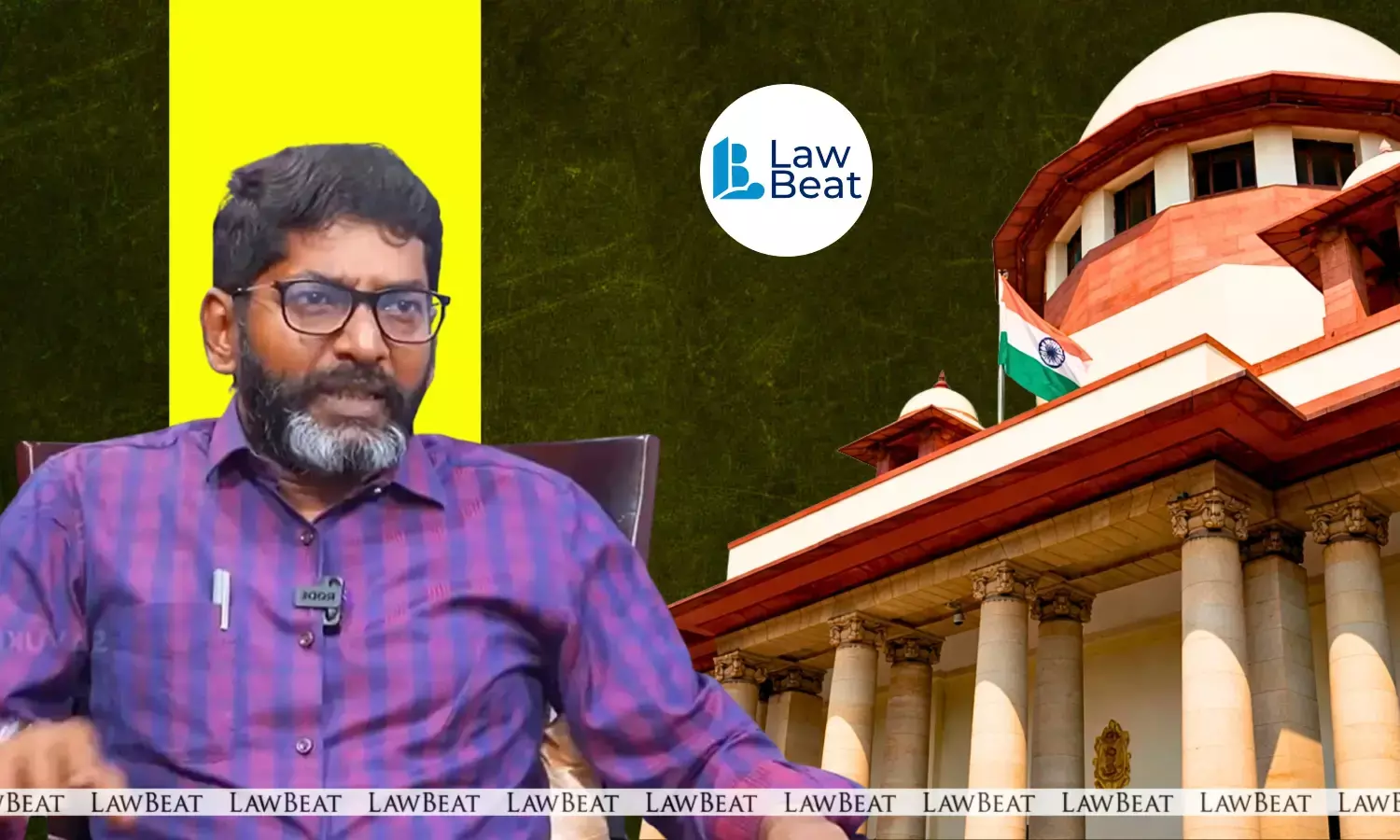
Supreme Court declines to hear plea against detention of YouTuber Savukku Shankar under Goondas Act
The Supreme Court on Wednesday refused to entertain a writ petition challenging the preventive detention of YouTuber and journalist Savukku Shankar under the Tamil Nadu Goondas Act, directing the petitioner to approach the jurisdictional High Court instead.
The Bench of Justices Dipankar Datta and Satish Chandra Sharma declined to intervene in the matter at this stage.
The Court, however, observed that if the petitioner approaches the High Court, it may consider hearing the case expeditiously.
The plea had been filed by Shankar’s nephew, D Bharath seeking quashing of a third preventive detention order passed against him under the Goondas Act. The petition also sought a writ of habeas corpus, alleging misuse of preventive detention laws and targeting of the journalist for his work.
Shankar was initially arrested on December 13, 2025, in connection with an extortion case registered under various provisions of the Bharatiya Nyaya Sanhita, 2023. Following his arrest, legal proceedings were initiated before the Madras High Court, including a plea for medical treatment and a habeas corpus petition challenging his conditions of detention.
The High Court had granted him interim bail on medical grounds, while also making critical observations against the State. However, in subsequent proceedings, a Division Bench refused to cancel the bail but imposed stringent conditions, including restrictions on public statements, interaction with co-accused and witnesses, and limitations on movement except for medical or legal purposes.
When Shankar approached the Supreme Court earlier seeking relaxation of these conditions, the Court declined to interfere, noting that he had continued publishing videos and content after being granted relief on medical grounds.
The matter took a fresh turn when Shankar was due to surrender on March 25, 2026. On the same day, two fresh FIRs were registered against him, leading to his arrest on April 8. A day later, authorities passed a preventive detention order under the Goondas Act, branding him as a “goonda” under the statutory definition.
Challenging this detention, the petitioner argued that the State had repeatedly invoked preventive detention as a tool of harassment. It was pointed out that two earlier detention orders against Shankar had been quashed or revoked upon judicial scrutiny. The plea further alleged that the latest detention lacked substantive grounds and failed to demonstrate any real threat to public order.
The petition also raised concerns about procedural lapses, including the alleged non-supply of the FIR forming the basis of the detention order. It contended that the State’s reliance on vague assertions of “public disorder” did not meet the threshold required under law.
Additionally, the petitioner claimed that Shankar was being targeted for exposing alleged corruption and illegal activities, and highlighted actions such as freezing of his mother’s pension account and blocking of financial accounts linked to his associates.
Despite these submissions, the Supreme Court chose not to examine the merits of the case at this stage, instead relegating the petitioner to seek relief before the High Court.
Case Title: D. Bharath v. State of Tamil Nadu & Anr.
Bench: Justices Dipankar Datta and Satish Chandra Sharma
Hearing Date: April 15, 2026