
Supreme Court Plea Challenges Rajasthan, UP Government Curbs On Journalists Entering Government Schools
The plea seeks state-wise data on government schools without buildings, toilets and adequate drinking-water facilities, including the total number of such schools and the districts in which they are located.
A petition has been filed before the Supreme Court of India seeking quashing of restrictions imposed by education departments in Rajasthan and Uttar Pradesh on the entry of journalists, YouTubers, social-media persons, civil-society representatives and other members of the public into government schools for scrutinising the schools' functioning.
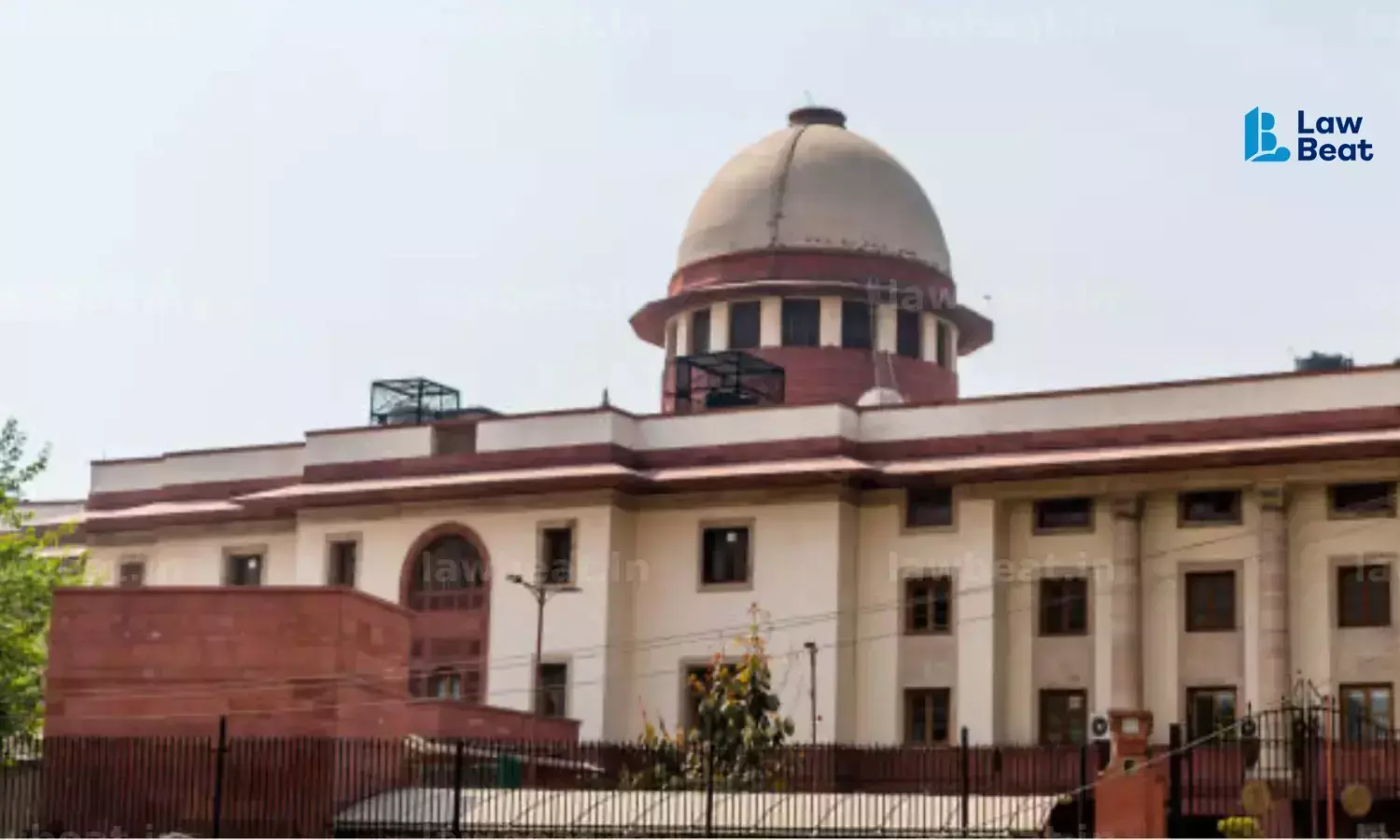
The plea, filed by advocate Narendra Mishra on behalf of Priya Mishra, was mentioned before a bench led by Chief Justice of India Surya Kant and comprising Justices Joymalya Bagchi and V Mohana. The court indicated that it would list the petition.
The petition challenges the requirement of prior permission for entry into government schools and restrictions on photography, videography, interviews, audio recording and live-streaming. It contends that the restrictions are arbitrary and disproportionate and violate the fundamental rights to equality, freedom of speech and expression and education under Articles 14, 19(1)(a), 19(1)(g), 21 and 21-A of the Constitution.
Court has been told that while protection of children's privacy, dignity and safety is legitimate, the authorities cannot use it to impose blanket restrictions on independent documentation of government school infrastructure and functioning.
It has further been argued that the restrictions give school principals wide and unguided discretion to allow or deny access, without prescribing transparent or objective criteria, reasons for refusal, a time-bound mechanism or an effective review process.
Making public scrutiny dependent on permission from the very authorities whose functioning may be under scrutiny could undermine transparency and accountability, the plea argues. The petition further says less restrictive safeguards could be adopted, including restricting access to classrooms during teaching hours, protecting confidential records, prohibiting the recording of identifiable children and masking their faces and personal information.
Referring to concerns over government schools functioning without buildings or toilets, schools with non-functional toilets or inadequate drinking water and electricity, and alleged deficiencies in mid-day meals, attendance, enrolment and other educational facilities, the petition states independent inspection and reporting can bring such deficiencies to the notice of authorities and the public.
The petitioner has thus sought quashing of the orders issued by governments of Rajasthan and Uttar Pradesh imposing the restrictions and a declaration that restrictions on legitimate public-interest reporting and scrutiny of government schools must satisfy constitutional requirements of reasonableness, necessity and proportionality.
Public-interest scrutiny, as per the petitioner, should not prohibited merely because it may reveal deficiencies in school buildings, toilets, drinking water, electricity, boundary walls, mid-day meals, attendance, enrolment or other statutory facilities.