
Supreme Court Pulls Up ADR Over Blank Verification In Plea Challenging CEC Appointment Law
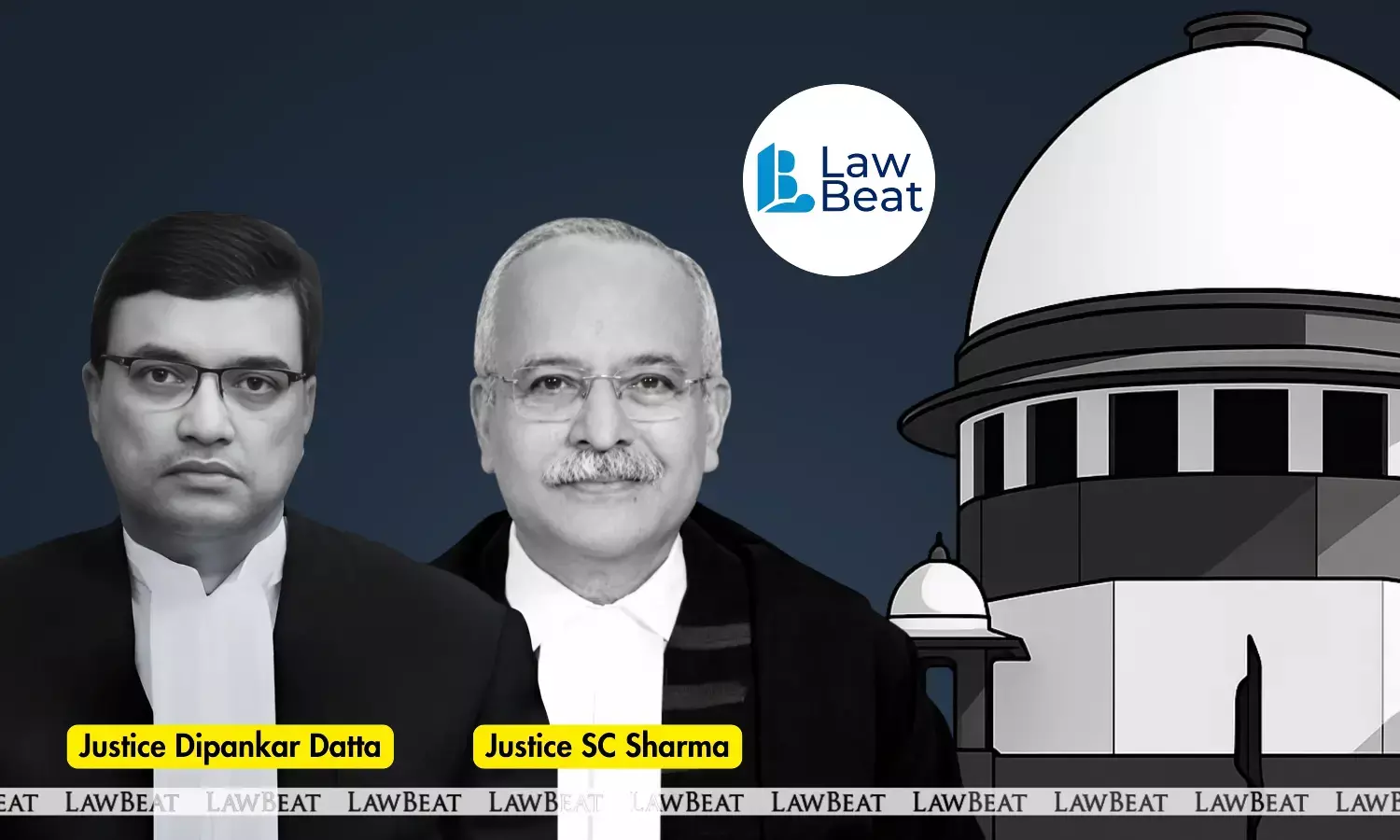
Supreme Court judges and top law officers defended court vacations during a hearing on petitions challenging the Election Commission appointments law
The Supreme Court on Thursday flagged serious procedural defects in a petition filed by the Association for Democratic Reforms (ADR) challenging the Chief Election Commissioner (CEC) and Other Election Commissioners Act, 2023, observing that even important constitutional matters must comply with procedural requirements.
The Bench of Justices Dipankar Datta and Satish Chandra Sharma was hearing petitions challenging the law that removed the Chief Justice of India (CJI) from the selection panel for appointing Election Commissioners.
During the hearing, Justice Datta pointed to the verification page of ADR’s petition and remarked, “Come to page 35 of your petition and see the verification part.”
Senior Advocate Prashant Bhushan, appearing for ADR, responded that the verification page was blank and submitted, “It happens sometimes.”
“This is our experience in the Supreme Court. It doesn’t happen in the High Court,” Justice Datta observed, expressing displeasure over the defect in the petition.
The Bench further remarked, “Yesterday we refused to adjourn saying this matter is important, and now this is what is happening.”
The Court clarified that while it was not inclined to reject the petition solely on the procedural defect, responsibility for pleadings filed before the apex court could not be diluted. “We are not saying we will not entertain it on this ground, but this defect has to be cured. Somebody has to take responsibility for the statements made,” Justice Datta said.
Bhushan informed the Court that the defect was curable and would be corrected during the day itself. He also explained that the person who was supposed to verify the petition had passed away.
However, the Bench highlighted that procedural safeguards form an integral part of judicial process, particularly in constitutional litigation before the Supreme Court. “When the Supreme Court is approached on such an important issue, we cannot simply say we will go by substance. This will not set a good example. Then don’t have petitions, don’t have verification, don’t have evidence,” Justice Datta remarked.
The Court reiterated that procedural requirements cannot be ignored even in cases involving significant constitutional questions.
The petitions before the Court challenge the constitutional validity of the Chief Election Commissioner and Other Election Commissioners Act, 2023, which replaced the Chief Justice of India with a Union Cabinet Minister in the selection committee for appointing Election Commissioners.
Notably, on May 6, emphasising the importance of the case, the Bench had observed, “This matter is more important than any other matter,” and directed that no other cases would be taken up during the day. The Court had asked the petitioners to commence arguments, permitting the Solicitor General to make his submissions at a later stage. It also directed that arguments on behalf of the petitioners be concluded by the following day.
Senior Advocate Vijay Hansaria, appearing for the petitioners had argued that Section 7 of the 2023 Act grants primacy to the executive in the appointment of the Chief Election Commissioner and other Election Commissioners, contrary to the principles laid down in Anoop Baranwal v. Union of India.
He had contended that under the present framework, the selection process is effectively controlled by the Prime Minister and a Union Minister nominated by him, thereby undermining the independence of the Election Commission. “If the Prime Minister suggests a name, there is no real scope for any alternative,” Hansaria had submitted, warning that excessive executive control could erode public confidence in electoral processes.
Case Title: Dr. Jaya Thakur v. Union of India & connected matters
Bench: Justices Dipankar Datta and Satish Chandra Sharma
Hearing Date: May 7, 2026