
Supreme Court Refuses Bail To Kerala Professor In Student Suicide Case, Says Classroom Humiliation Has Consequences
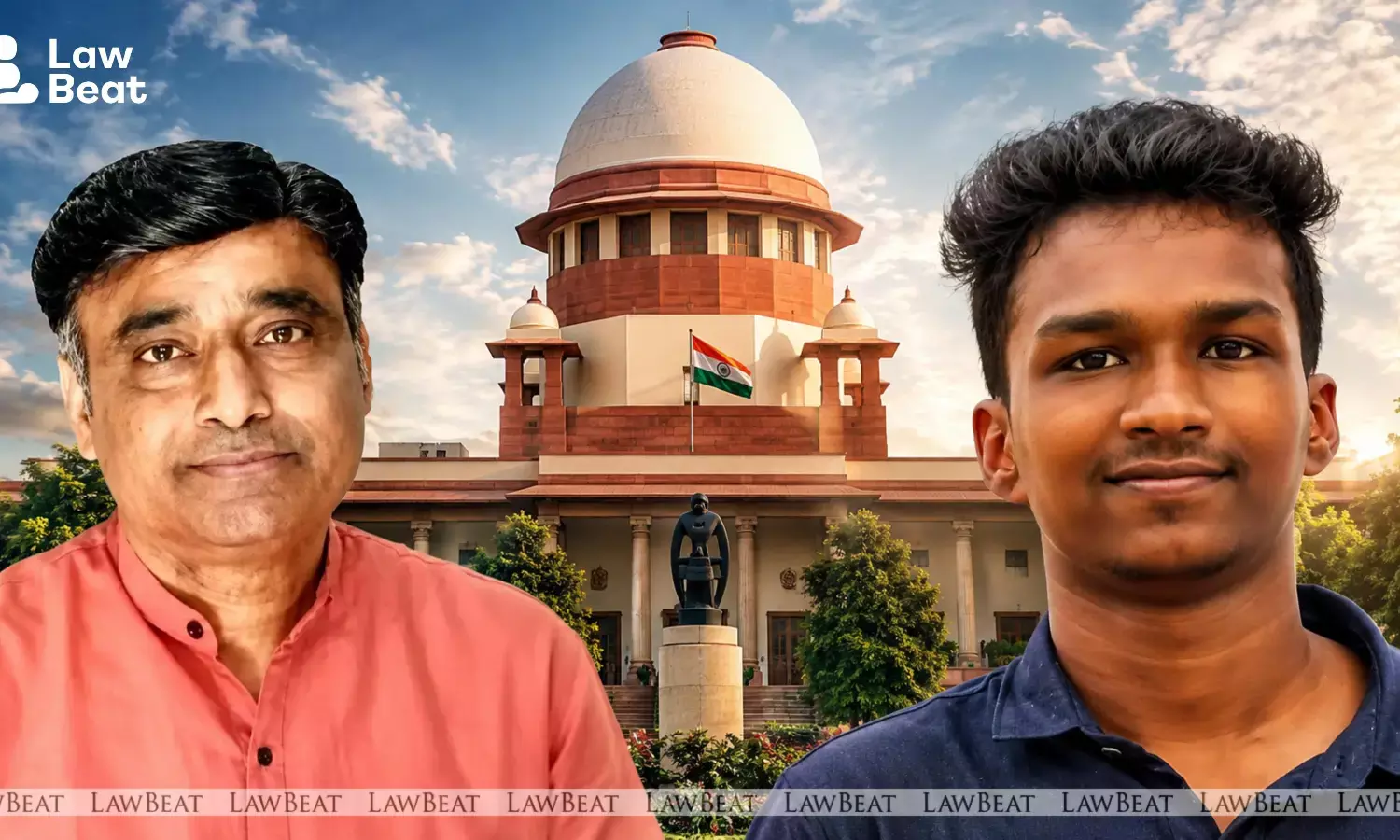
The Supreme Court on Monday refused to grant anticipatory bail to a Kerala dental college Head of Department accused in the suicide of a Scheduled Caste student, observing that "times have changed" and that teachers must realise the consequences of humiliating students in classrooms.
The Bench of Justice Vikram Nath and Justice Sandeep Mehta dismissed the special leave petition filed by Dr. Kondanda Ram, thereby affirming the Kerala High Court's order refusing him pre-arrest bail in a case alleging abetment of suicide under Section 108 of the Bharatiya Nyaya Sanhita (BNS) and offences under the Scheduled Castes and Scheduled Tribes (Prevention of Atrocities) Act.
During the hearing, Senior Advocate D.S. Naidu, appearing for the professor, argued that the alleged classroom humiliation had occurred nearly a month before the student, Nithin Raj, died by suicide and therefore could not be regarded as the proximate cause of death.
Instead, Naidu pointed to an incident that allegedly took place about an hour before the student's death, submitting that the deceased had borrowed ₹15,000 through a loan application, had used another professor's name as guarantor without permission, and was being harassed by loan recovery agents. He informed the Court that the alleged loan app operators had already been arrested.
The senior counsel further contended that criminal prosecution in such cases would have a "chilling effect" on educators attempting to maintain discipline in educational institutions.
"A teacher can become overbearing in the interest of the student," Naidu argued, cautioning against criminalising strict teaching methods.
The Bench, however, was not persuaded.
"Times have changed. Maybe in our days beating was the norm… now things have changed," Justice Mehta remarked.
The judge observed that if a student is insulted before classmates, the psychological impact cannot be ignored.
"A teacher must realise the consequences of humiliating a student," Justice Mehta said, adding that "the message has to go that you cannot behave in this way with the students."
When the petitioner's counsel argued that the alleged humiliation lacked proximity to the suicide, the Bench responded that "ultimately it was a tipping point."
Justice Mehta further remarked that the cumulative effect of repeated humiliation could not be overlooked.
"As they say, 'ghada (pitcher) bhar jata hai'. He has to realise the consequences of his actions for the students. A student is insulted in the classroom in the presence of co-students. What would be the ultimate impact on such students?" the Court observed.
Rejecting the argument that arrest would discourage teachers from enforcing discipline, the Bench held that accountability in educational institutions was equally important.
"It will have a wonderful effect for the students that a teacher can't walk away with this kind of behaviour," the Court observed.
The prosecution alleges that Dr. Ram repeatedly subjected the deceased student to mental harassment, singled him out in class, and humiliated him in the presence of classmates while allegedly making caste-based remarks, despite knowing that he belonged to a Scheduled Caste community.
The Kerala High Court had earlier held that there was a prima facie case under Section 3(1)(r) of the SC/ST Act, attracting the statutory bar against anticipatory bail, and found no material to rebut the presumption that the accused knew the victim belonged to a Scheduled Caste. Dismissing the plea, the Supreme Court left the High Court's order intact, paving the way for further investigation into the allegations against the professor.
Case Title: M. Kondanda Ram v. State of Kerala
Bench: Justices Vikram Nath and Sandeep Mehta
Hearing Date: July 13, 2026