
Supreme Court seeks response on alleged violation of its order; no ad interim relief granted at this stage
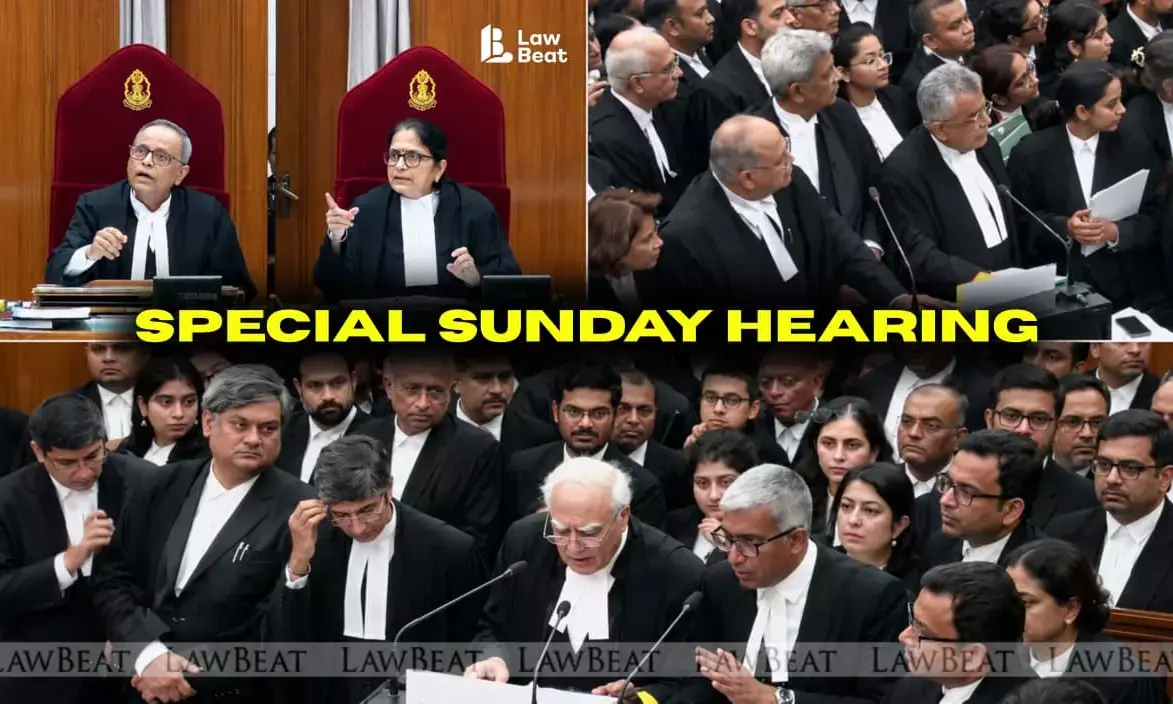
NEW DELHI: The Supreme Court on Sunday issued notice to the authorities on a contempt petition that says its earlier order, dated 9 October 2026, was not followed. The Court did not grant any ad interim relief at this stage. It recorded the government’s assurances and has asked the authorities to respond. It has not decided who is right.
The Court held an urgent hearing on petitions that spoke of Metro closures, internet shutdowns and the detention of a large number of people in Delhi on 10 October.
What the petitions said
Lawyers told the Court that Metro services were not running properly on Saturday. They said New Delhi and Nizamuddin railway stations stayed closed, many traffic advisories were issued, and people were harassed and detained, even outside the area covered by a prohibitory order under Section 144.
They also said the internet was shut down and the city felt like it was under a curfew, with transport and movement of people and goods affected.
Dr Guruswamy, a senior advocate, told the Court that the habeas corpus petition is not only about a few named people. He said it concerns the alleged illegal detention of about 7,000 people in the city. He called the violation of the earlier order “deliberate and wilful.”
A woman advocate told the Court that about 150 lawyers gathered near MC Setalvad chambers on Saturday and had just begun a peaceful march. She said four people were picked up at a red light and taken away in a prison van, and that the woman officer who held her wore no name badge.
What the government said
Solicitor General Tushar Mehta told the Court that the petitions mentioned orally had not been served on the Union, so it could not fully assist yet. He denied the allegations in the contempt petition.
He said the Delhi Metro was running normally, though entry and exit at 45 of its 303 stations had been restricted. He later assured the Court, on instructions, that all stations had been open since 10 pm on Saturday, trains were running normally and internet connectivity had been restored.
He also assured the Court that lawyers, journalists and other professionals would not be stopped from doing their work. The Court recorded these assurances.
On a claim that Section 163 of the Bharatiya Nagarik Suraksha Sanhita (BNSS) had been imposed around the Supreme Court premises, the Solicitor General sought time to take instructions. Senior Advocate Gopal Sankaranarayanan said it should be lifted immediately and that lawyers had been blocked from reaching the Court.
What the Court said
Justice Joymalya Bagchi said the Court understood the seriousness of the concerns. He said courts treat everyone alike, whether a police officer, a lawyer or an ordinary citizen, and that the Court is equally concerned about protecting life and liberty. A counsel for some police officers had told the Court that officers too had faced violence.
Justice Bagchi also noted that Section 144 orders are routinely issued around sensitive government buildings but are never enforced in practice.
Senior Counsel Kapil Sibal had strongly asked for ad interim relief on smooth Metro and railway operations, traffic, internet services and free movement, especially of lawyers, journalists and professionals. The Court said it would like to give relief, but wants to examine whether the requirements of the Police Act match the right to free expression under Article 19(2). Justice Bagchi said protest must follow procedure, and that Article 21 does not go beyond procedure.
Justice Mohana urged those protesting to do so peacefully.
What happens next
The Court issued notice, rather than a show-cause order, to the alleged contemnors. They must file an affidavit responding to the contempt petition and a report on how they complied with the 9 October order. The other petitions will be served on the Solicitor General’s office during the day. The response and compliance report are due by Tuesday, 13 October.
The 9 October order had asked authorities to reconsider closing 57 Metro stations, saying train services may be regulated but not prohibited in suitable cases. It had also asked for fresh traffic advisories and a compliance report.