
“Why Can’t You Have Camera Surveillance?”: Supreme Court Asks NHAI To Monitor Vehicles On Highways
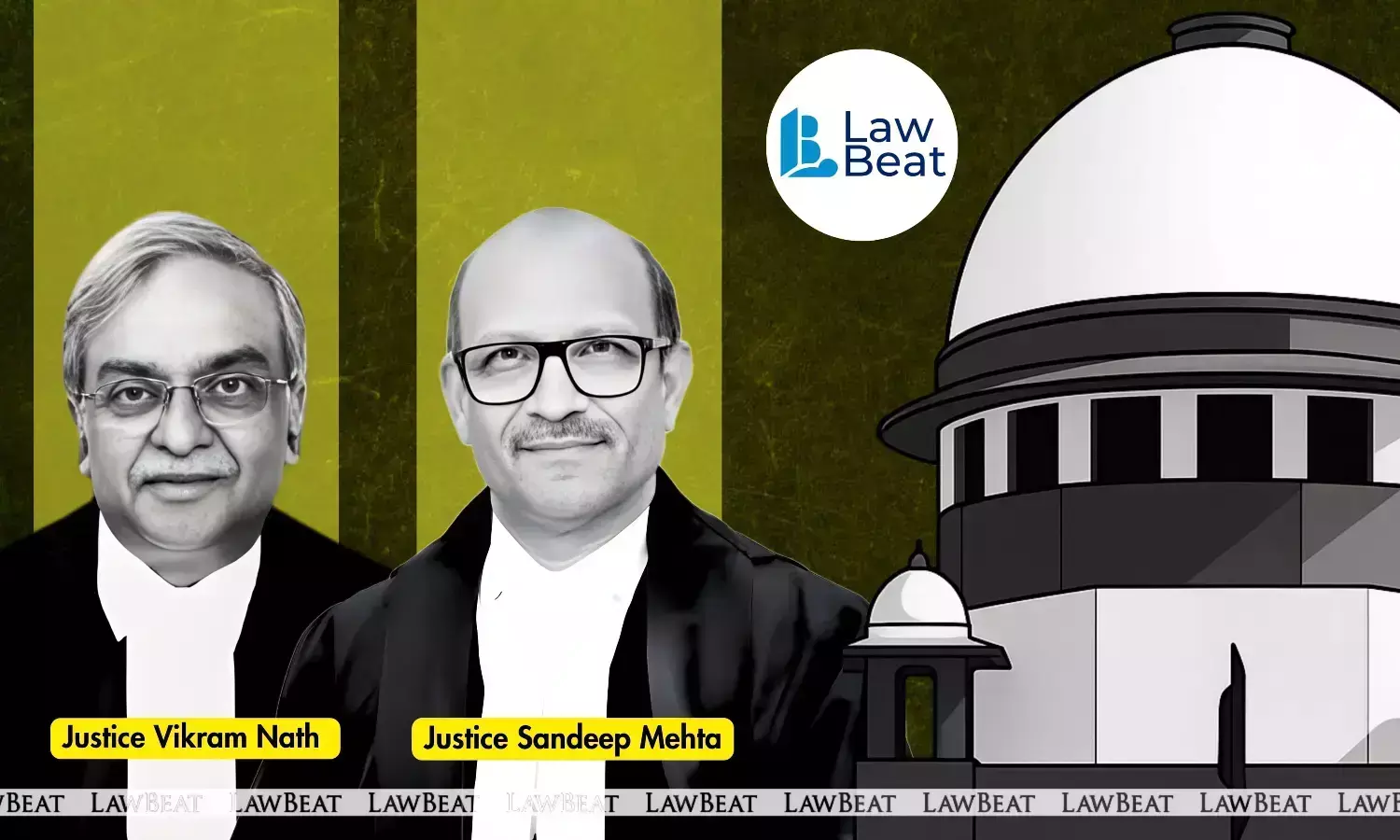
Supreme Court questioned NHAI on installing camera surveillance and monitoring rooms at toll plazas to improve highway safety
The Supreme Court on Thursday questioned the National Highways Authority of India (NHAI) on why it could not install camera surveillance systems and monitoring rooms at toll plazas to tackle encroachments and stationary vehicles on national highways.
The Bench of Justices Vikram Nath and Sandeep Mehta was hearing a suo motu case concerning a road accident in Rajasthan’s Phalodi that claimed 15 lives.
The Bench identified encroachment and stationary vehicles on highways as two major issues contributing to road safety concerns.
“Why can’t you think of having a camera surveillance system? You can have monitoring rooms at all toll plazas,” the Bench asked the NHAI.
Appearing for the NHAI, its counsel submitted that the authority had issued circulars requiring regular inspection and patrolling to prevent unauthorised parking on highways.
Senior Advocate ANS Nadkarni, assisting the Court as amicus curiae, submitted that illegal parking of vehicles on highways was one of the major causes of road accidents.
SC seeks compliance affidavits
The Bench noted that the Ministry of Road Transport and Highways, Ministry of Home Affairs and the Tamil Nadu government had not yet filed their respective compliance affidavits.
The Court granted two weeks to the two ministries to file their affidavits and directed the Tamil Nadu government to file its affidavit before the next hearing.
The matter has been posted for October 6.
SC had earlier restricted highway parking
The proceedings stem from the Supreme Court’s suo motu cognizance of a fatal road accident in Phalodi in November last year, where a tempo traveller collided with a stationary trailer truck, resulting in 15 deaths.
The accident occurred near Matoda village on the Bharat Mala Highway while the tempo traveller was travelling from Bikaner’s Kolayat temple to Jodhpur.
On April 13, the Supreme Court had issued several interim directions to improve highway safety. It directed that no heavy or commercial vehicle should park or stop on any national highway carriageway or paved shoulder except at designated bays, lay-bys or wayside amenities.
The Court had also prohibited the construction or operation of new dhabas, eateries or commercial structures within the right of way of national highways.
Further, the Ministry of Road Transport and Highways and NHAI were directed to identify accident blackspots and critical areas and publish a comprehensive list of accident blackspots on national highways.
The Supreme Court had observed that while national highways account for approximately 2% of India’s total road length, they account for nearly 30% of road fatalities, stressing that high-speed roads cannot become “a corridor of peril” due to administrative lethargy or infrastructural gaps.
Case Title: In Re Phalodi Accident Vs National Highways Authority of India And Others
Bench: Justices Vikram Nath and Sandeep Mehta
Hearing Date: September 3, 2026