
Bhojshala-Kamal Maula Mosque | Survey Findings Based On Science, Not Religion: ASI Rebuts Bias Charges
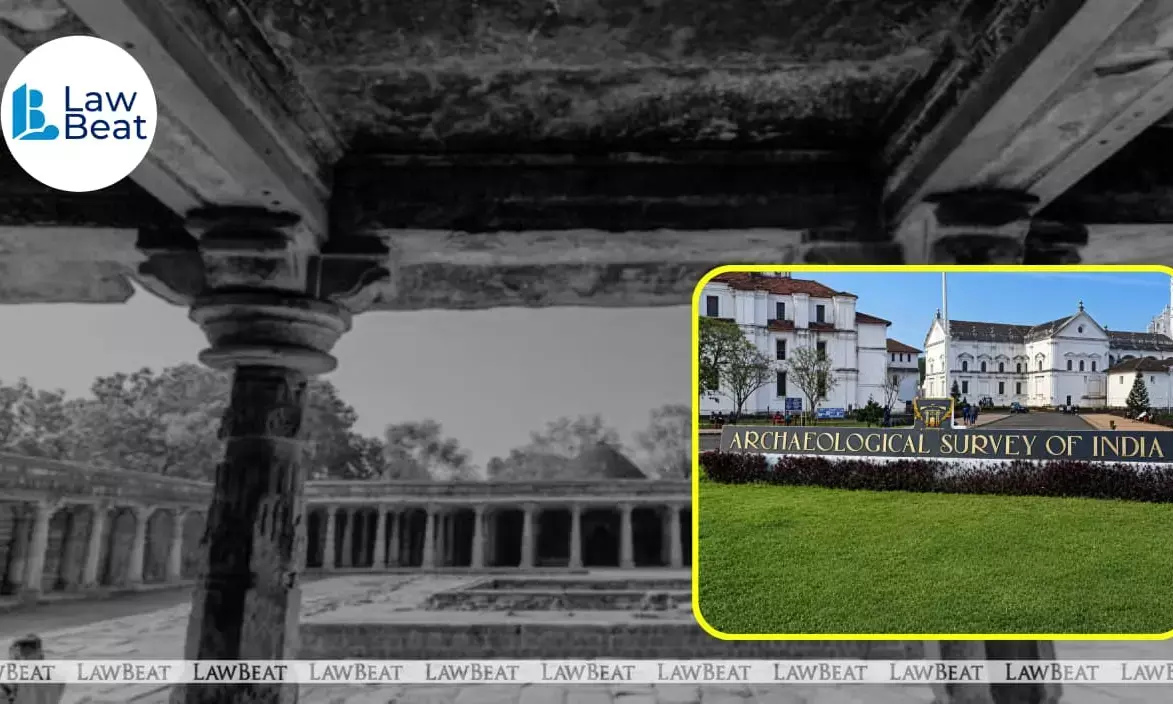
Excavation Followed Scientific Standards: ASI Counters Allegations In Bhojshala-Kamal Maula Mosque Dispute
Additional Solicitor General Sunil Kumar Jain, appearing for the Archaeological Survey of India, on Tuesday defended the ASI’s excavation and survey exercise in the Bhojshala-Kamal Maula Mosque dispute before the Madhya Pradesh High Court, asserting that the agency had acted strictly in accordance with judicial directions and scientific archaeological methods without favouring any religious community.
Addressing the Indore Bench of Justice Vijay Kumar Shukla and Justice Alok Awasthi, Jain submitted that the ASI had merely placed before the court whatever findings emerged during the survey ordered under the supervision of the High Court. He categorically rejected allegations of communal bias levelled by some parties, stating that the ASI’s responsibility was confined to scientific investigation and preservation of the protected monument.
Jain argued that objections raised regarding the monument’s legal status under the Ancient Monuments Preservation framework were misconceived. Referring to the notifications issued under the 1904 Act, the 1935 notification, and the 1951 legislation, he contended that the monument had consistently been treated as a protected structure. According to him, the 1951 Act clearly operated retrospectively through Sections 2 and 3, thereby continuing the monument’s protected status under central legislation.
The ASG also countered submissions questioning the ASI’s refusal to conduct carbon dating and other scientific dating methods suggested by the Muslim side. He explained that radiocarbon dating was suitable only for organic materials and could not determine the age of stone structures. Instead, he submitted, archaeological dating of monuments was conventionally undertaken through stylistic analysis, paleography, inscriptions, and comparative architectural studies.
Reading from the ASI survey report, Jain stated that experts found sufficient dateable material at the site and therefore relied upon stylistic and paleographic methods to ascertain the monument’s age. He further referred to technical portions of the ASI report dealing with ground penetrating radar surveys, handheld X-ray fluorescence analysis, mortar composition studies, and examination of basalt stones and bricks found at the site.
According to Jain, the XRF analysis demonstrated that several construction materials originated from similar geological sources and belonged to comparable construction phases. He argued that the scientific findings also revealed distinctions between pre-existing structures and later additions within the complex.
Responding to allegations that the excavation unearthed modern objects such as plastic bottles alongside artefacts, Jain stated that the ASI had transparently recorded these discoveries in its report itself. He explained that the upper debris layers contained modern waste material mixed with conservation debris and medieval remnants, which was typical in archaeological deposits exposed to later human activity.
The ASG also rejected claims that structures, platforms, and walls inside the mosque complex had been wrongly interpreted. Referring to specific pages of the report, he argued that the survey established the existence of modifications made to adapt portions of the earlier structure for changed religious use. He maintained that several walls, moldings, and encased foundations reflected alterations carried out over time.
Jain further disputed arguments advanced regarding the central water tank inside the complex. Referring to photographs and architectural analysis in the report, he contended that the platform around the tank was a relatively recent construction distinct from the underlying plain surface and pre-existing structure. He argued that comparisons drawn with mosque tanks elsewhere were misleading because the Bhojshala structure showed visible later additions.
The ASG also addressed allegations regarding non-recording of a Gautam Buddha idol, clarifying that no Buddha idol had been found during the survey. According to him, the sculpture referred to by the objectors belonged to Jain iconography and had already been catalogued accordingly in the report.
Also Read: Bhojshala Kamal-Maula Mosque | ASI Cannot Redefine Character Of Protected Monument: Salman Khurshid
Defending the fairness of the excavation process, Jain submitted that the expert committee included Muslim members and that representatives of all contesting parties were present during the survey. He also argued that objections raised during the exercise were largely directed at alleged violations of Supreme Court orders rather than technical shortcomings in the survey itself.
Maintaining that the ASI’s findings were based entirely on scientific expertise and archaeological methodology, Jain urged the court to rely upon the extensive report and written submissions already filed by the agency while adjudicating the long-running Bhojshala dispute.
The matter has been heard finally and reserved for orders.
Case Title: Hindu Front for Justice (Regd. Trust No. 976) Through its President Ms. Ranjana Agnihotri v. Union of India Ministry of Culture and other connected matters
Date of Hearing: May 12, 2026
Bench: Justice Vijay Kumar Shukla and Justice Alok Awasthi