
Delhi HC Admits CBI Plea Against Discharge of Kejriwal, Sisodia in Excise Policy Case
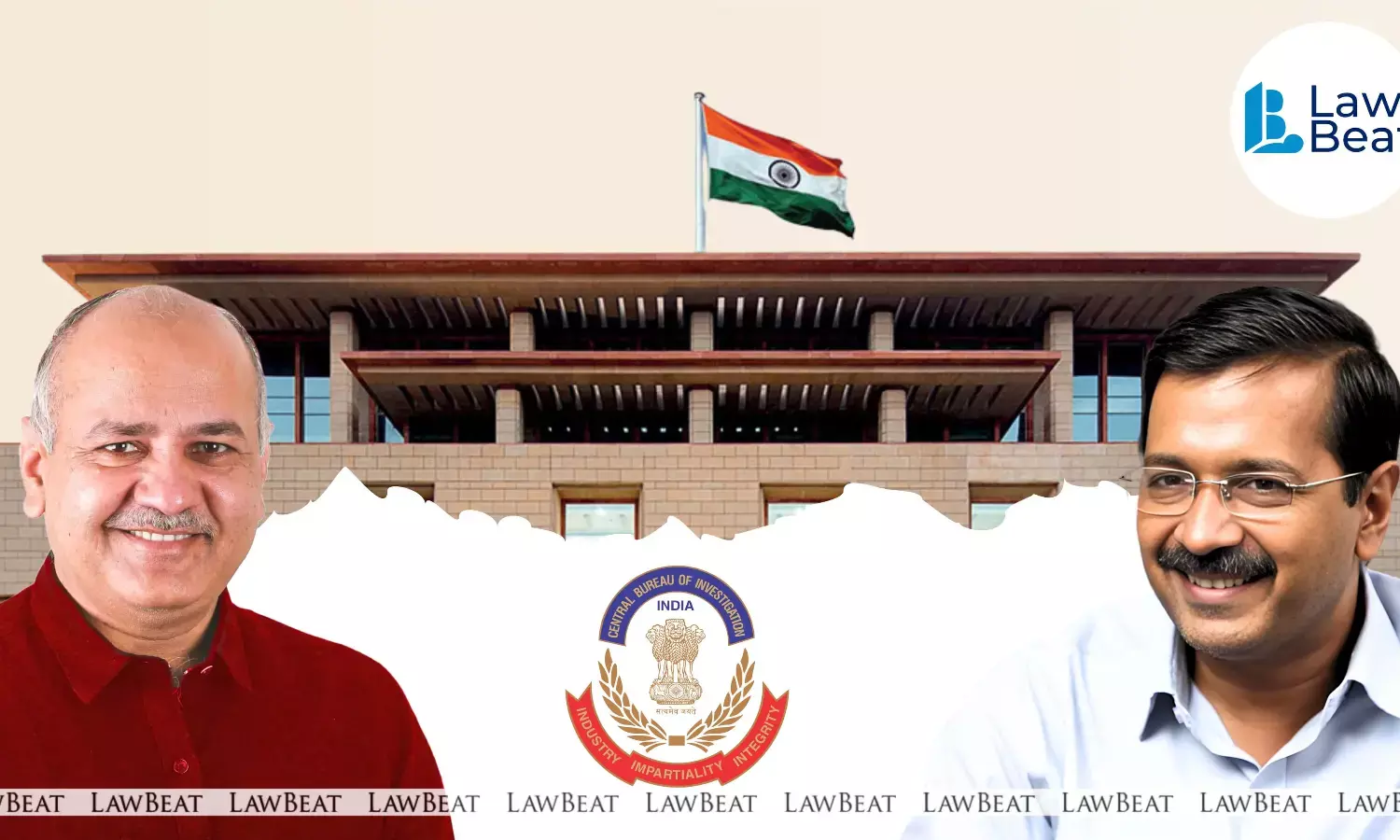
Arvind Kejriwal and Manish Sisodia challenged the CBI's revision petition against their discharge in the Delhi Excise Policy case
The Central Bureau of Investigation on Friday approached the Delhi High Court challenging a lower court order that discharged former Delhi chief minister Arvind Kejriwal, former deputy chief minister Manish Sisodia and 21 others in the controversial Delhi excise policy case.
The move came shortly after a Special Court at Rouse Avenue acquitted all 23 accused, including senior political leaders and officials, on grounds that the prosecution had not made out a case requiring trial.
Special Judge (Prevention of Corruption Act) Jitender Singh had delivered the discharge order earlier in the day, observing that the material produced by the prosecution was insufficient to establish an overarching conspiracy or criminal intent behind the 2021–22 excise policy.
The court found that the evidence did not survive judicial scrutiny and that no prima facie case was made out against any of the accused, effectively halting the matter before it could move to framing of charges.
In its appeal to the High Court, the CBI argued that the trial court erred in law by discharging the accused at an early stage and failing to consider key aspects of the investigation.
The agency contended that several issues central to its prosecution were overlooked or given inadequate weight when the lower court decided against framing charges. By moving the High Court, the CBI is seeking reversal of the discharge and restoration of the prosecution’s case.
The excise policy case had its origins in August 2022 when the CBI registered an FIR following a complaint by Delhi Lieutenant Governor V K Saxena.
The complaint alleged that the excise policy framed by the Aam Aadmi Party government was structured to benefit certain private liquor traders through reduced licence fees and pre-set profit margins, resulting in alleged kickbacks and financial detriment to the government’s interests.
Investigators claimed that the policy’s formulation involved deliberate loopholes to favour targeted licensees even after the tender process concluded.
At the Rouse Avenue hearing, the court criticised the prosecution’s reliance on statements from an approver, that is, an accused person granted pardon in exchange for cooperation, as a means to bridge gaps in the case.
The court noted that using an approver’s testimony to substantiate or supplement the prosecution’s narrative, particularly where it implicates additional accused, was improper and raised serious constitutional concerns.
Allowing such testimony to replace independent evidence, the court observed, would undermine fundamental legal principles.
The judge also indicated that he might recommend a departmental inquiry against CBI officials for the way certain individuals, including public servant Kuldeep Singh, were designated as lead accused in the chargesheet, suggesting judicial discomfort with aspects of the investigative approach.
Earlier, the court had directed the Central Bureau of Investigation (CBI) to provide a detailed list of all notices, summons, and written communications issued in the Delhi Excise Policy case, along with any responses received, to be included either in the list of relied-upon documents or unrelied documents (URDs).
In political and public circles, the discharge order has generated strong reactions. Supporters of the accused hailed the decision as a vindication against what they called politically motivated investigations, while critics highlighted concerns about investigative standards and the prosecution’s approach in high-profile cases.
The ED had approached the Court in February 2024, seeking action against Kejriwal for not appearing before the agency despite five summons issued during the course of its money laundering probe linked to the now-scrapped Delhi Excise Policy for 2021-22
By challenging the discharge, the CBI aims to bring its prosecution back on track, arguing that the trial court prematurely halted proceedings before a full examination of evidence at the charge framing stage.
In September 2024, the Top Court had granted bail to Arvind Kejriwal while noting that the competing submissions on legality and timing of his arrest was necessary to unearth a larger conspiracy. The bail order had come after the Delhi High Court upheld the validity of the arrest.
With the High Court now seized of the matter, it will determine whether the lower court’s findings stand or whether the prosecution will be permitted to proceed to framing of charges and subsequently to a full trial.
This judicial scrutiny is likely to shape the future course of a case that has drawn sustained scrutiny from media, legal analysts and political observers.
Hearing date: 27.02.2026