
‘Now We Hear Of Regime Change’: Delhi HC Flags Rhetoric Amid Protests, Points To Ballot
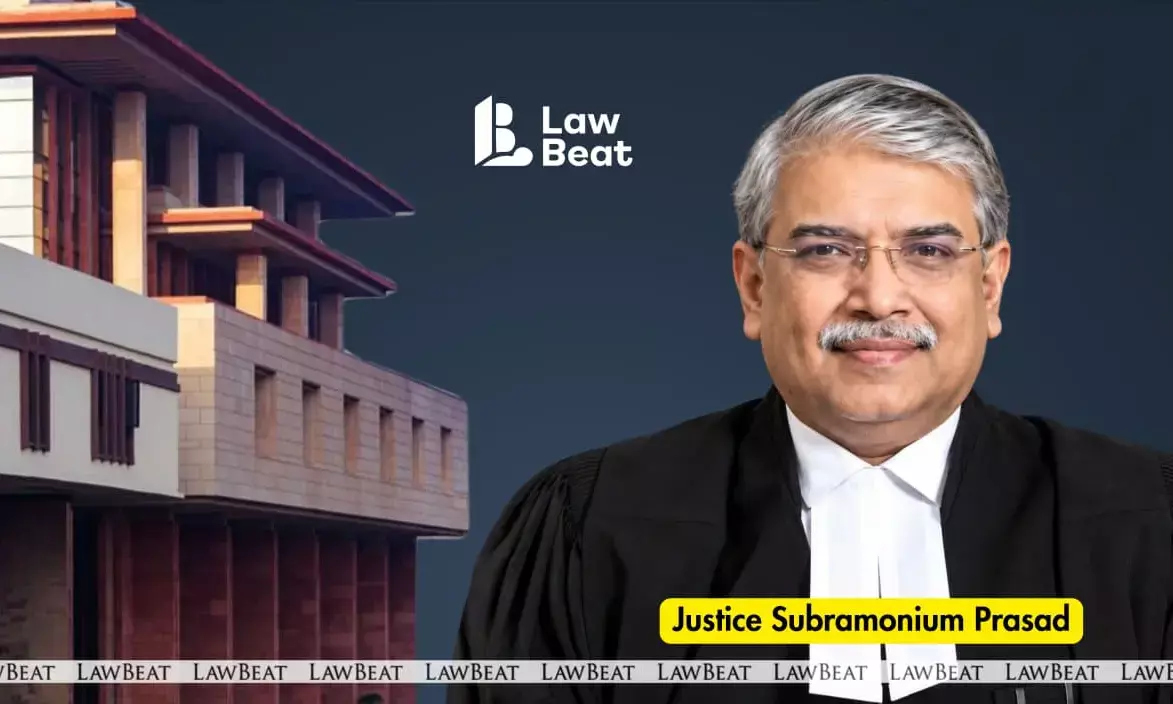
Delhi High Court hears CJP leaders’ plea over protest-related extended judicial custody.
The Delhi High Court has raised concerns over statements about “regime change” in the context of protests organised by the Opposition leaders and other organisations, including the Cockroach Janta Party (CJP), with Justice Subramonium Prasad observing that peaceful student protests can escalate into arson, looting and violence when organisers lose control of those joining them.
“We suddenly hear something like a regime change...Something about switching it which we normally do by ballot,” Justice Prasad remarked while hearing the leaders’ plea challenging a Special Executive Magistrate’s order extending their judicial custody in connection with an alleged breach of peace bonds.
The judge also referred to incidents in other countries where student protests had allegedly escalated into arson, looting and burning.
“See, what is happening outside the country. What started as a student protest has now gone into arson, looting, and burning. Complete mayhem,” he observed, adding that people who join a protest may not necessarily remain under the organisers’ control.
Court was hearing a plea by Das and Ranka challenging the October 19 order of Special Executive Magistrate Ritu Raj, which extended their judicial custody till October 21 over the breach of peace bonds and their entry into Jantar Mantar after the site was removed from the list of designated protest venues.
The judge, however, clarified that the broader questions about the leaders’ association, motives and objectives did not need to be examined in the present proceedings, which concerned the extension of their custody and the insistence on sureties.
‘When You Go And Break A Barricade…’
Justice Prasad questioned the consequences of Das and Ranka breaking police barricades, observing that such conduct could encourage others to join the gathering in violation of restrictions imposed under Section 163 of the Bharatiya Nagarik Suraksha Sanhita (BNSS).
“When you go and break a barricade, the chances of 10 or 20 more people in violation of Section 163 are very high,” the judge said.
He explained that police permission for protests was not merely intended to prevent demonstrations but also to ensure that unwanted elements did not join a gathering and disrupt its peaceful character.
“The police permission is just not to stop you,” he said, adding that the police commissioner was also responsible for preventing people outside the organisers’ control from joining the group and spoiling its name.
The judge said that even if organisers initially intended to conduct a peaceful protest, they might not be able to control the actions of those who subsequently joined them.
Justice Prasad noted that a challenge to the de-notification of Jantar Mantar was pending before the Supreme Court, but the notification had not been stayed.
‘People Remain The Same, Cause Is Changing’
During the hearing, Justice Prasad questioned the changing nature of the protests associated with the two leaders and made remarks about their association and its purpose.
“People remain the same, cause is changing. Correct? The next question will be who are you? What are you? What is your association, what is the purpose of your association?” he asked.
The judge observed that such questions could assume importance when authorities were assessing the apprehension of a breach of peace and tranquillity.
The exchange followed the judge’s remarks about the ages of the two petitioners. Noting that Das was 27 and Ranka was 30, Justice Prasad said they were technically not members of Gen Z. When their counsel submitted that they were an inspiration to the youth, the judge observed that the protests had initially involved students and children but that the cause had since changed.
He also cautioned counsel against drawing the court into a wider debate that might not help the petitioners’ case.
The judge said these broader issues could be addressed in an appropriate proceeding, rather than in a hearing concerned with the extension of custody and the requirement to furnish sureties.
Why Did CJP Leaders Approach The Delhi High Court?
Das and Ranka had challenged the Special Executive Magistrate’s October 19 order, alleging that their sureties had been arbitrarily rejected and that their continued detention was unlawful.
Their counsel argued that the magistrate had failed to properly consider the additional sureties produced on their behalf and relied on a Delhi High Court judgment in Aldanish Rein v. State (NCT of Delhi) to challenge the insistence on sureties.
Justice Prasad questioned whether the leaders should first pursue the statutory remedy available under the BNSS instead of invoking the high court’s writ jurisdiction under Article 226 of the Constitution.
The judge observed that the appropriate remedy lay before the revisional court and asked why the petitioners had approached the high court when the Special Executive Magistrate was scheduled to reconsider the sureties later that day.
“When the matter is coming up today, why run here?” he asked, suggesting that counsel await the proceedings before the magistrate before deciding on the next legal step.
Court also indicated that the leaders could consider an appeal under Section 414 of the BNSS, which provides a remedy against orders requiring security or refusing to accept or rejecting sureties for keeping the peace or maintaining good behaviour.
Following the court’s observations, counsel Abhik Chimni withdrew the petition. The high court allowed the withdrawal without expressing any opinion on the merits of the challenge to the magistrate’s order.
Background: Extended Custody and Peace Bond Breach
The judicial custody proceedings arose after Das and Ranka, along with CJP member Ajinkya Shinde, were detained on October 13 over their alleged entry into Jantar Mantar, where they were accused of crossing police barricades, raising slogans and holding the national flag.
The police action followed an October 11 order issued by Delhi Police Commissioner Anurag Kumar identifying Ramlila Maidan, Burari Ground and CBD Ground as designated venues for protests and demonstrations, removing Jantar Mantar from the list.
Police alleged that Das and Ranka had previously executed peace bonds undertaking to maintain peace and good behaviour for one year but subsequently violated the conditions by returning to the protest site.
On October 19, Special Executive Magistrate Ritu Raj extended their judicial custody till October 21, observing that their conduct showed “no respect for law” and reflected their “habitualness in calling protest at de-notified areas”.
The magistrate said the two had allegedly breached their peace bonds soon after executing them on October 11. The order also referred to police concerns about a possible breach of peace and disturbance of public tranquillity.
The magistrate directed the leaders to furnish fresh sureties after finding discrepancies in those produced earlier.
Das and Ranka are scheduled to appear before the SEM today, and as per media reports, they will furnish fresh sureties.
Case Title: Saurav Das and Another vs State of NCT Delhi
Hearing Date: October 21, 2026
Bench: Justice Subramonium Prasad